In 1670, a London jury acquitted William Penn of unlawful preaching. The judge imprisoned them for doing their duty. Most people have never heard of Edward Bushell. They should have.
The Preacher and the Prosecution
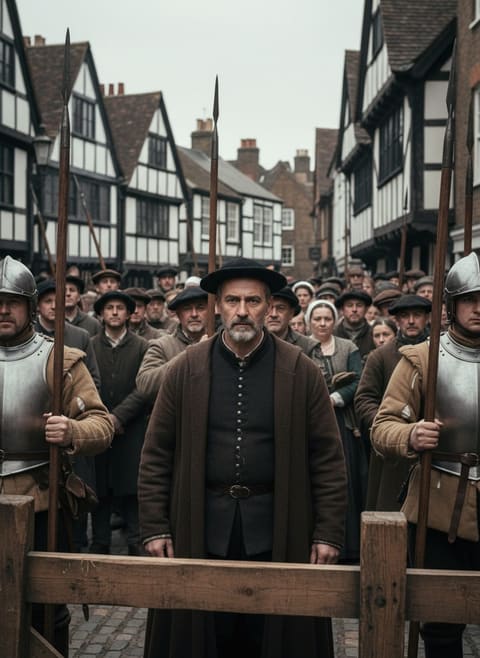
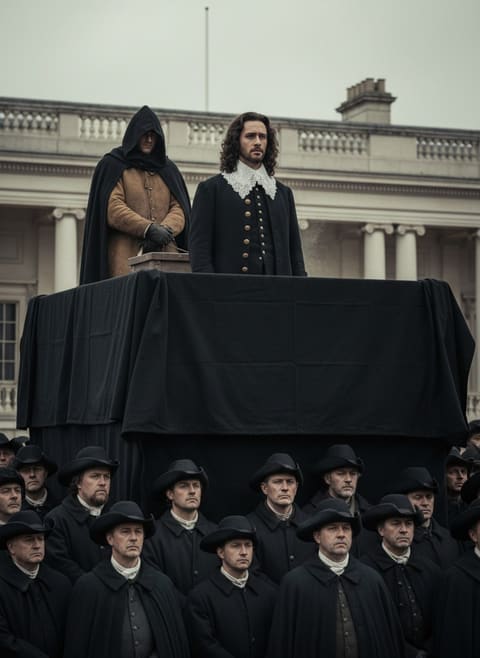
The streets of London in the 1670s were a cacophony of sound and teeming life, especially around Gracechurch Street. Among the many voices rising above the noise, one was that of William Penn, a fervent Quaker preacher whose words resonated with the city's commoners. Penn was no stranger to controversy; his beliefs and public proclamations often landed him at odds with the law. An era marked by rigid religious conformity had little tolerance for deviation, and Penn’s gatherings, seen as unlawful assemblies, threatened the order that the authorities clung to so desperately. Arrested for inciting an unlawful assembly in August 1670, his trial was as much about a test of the law as it was about Penn himself.
Penn's arrival in court was a spectacle in itself. Tall and imposing, with a commanding presence, he wore his Quaker plainness like armor against the opulence of the court. As the trial commenced, it became clear this was no ordinary case of a preacher versus the state. This was a battle over principles that would alter the English legal landscape.
The Jury's Defiance
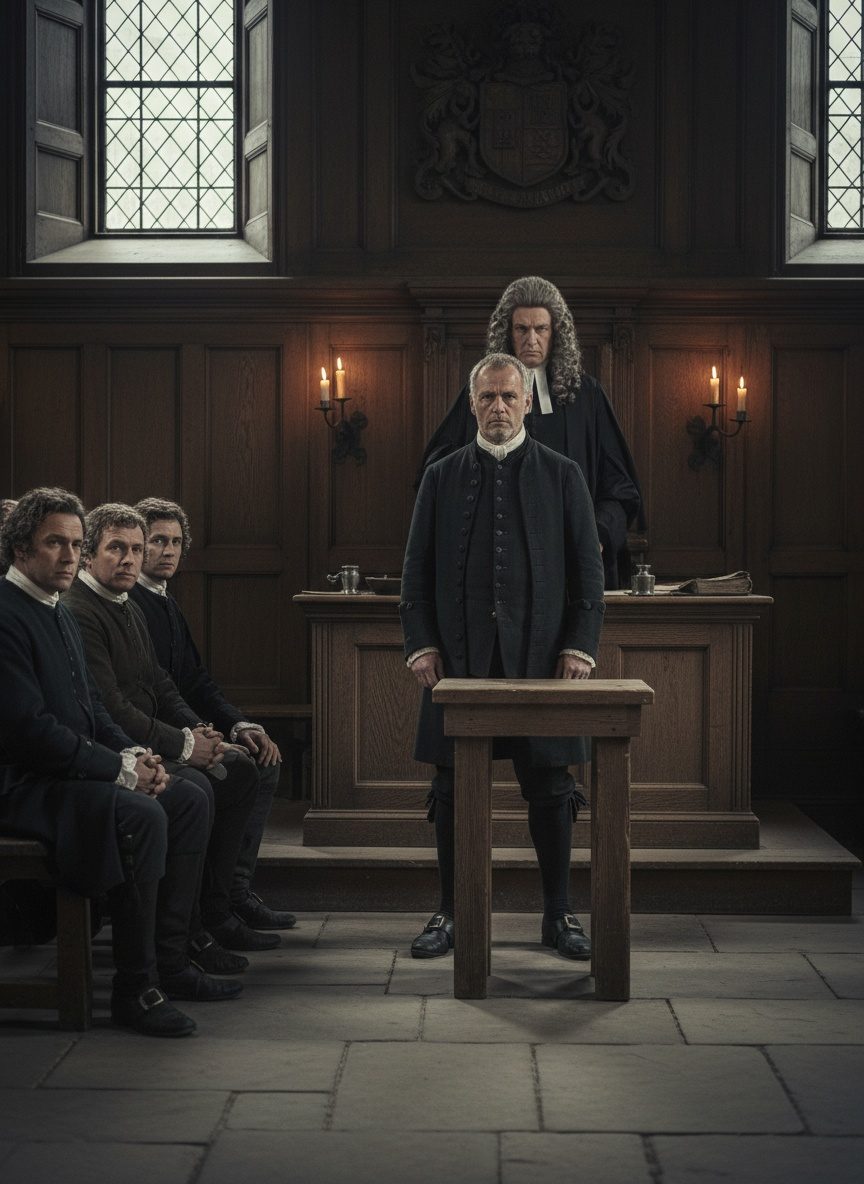
The trial of William Penn quickly became a theatre of defiance. The judge, intent on convicting him, faced a jury that was equally resolute. The prosecution presented its case emphatically, arguing that by speaking in public, Penn had violated the Conventicle Act, which restricted nonconformist religious gatherings. The air was tense as the jury, led by foreman Edward Bushell, deliberated over their decision.
Read next: The Day a Tudor Chancellor Chose Death Over a Royal Lie
When the verdict came — not guilty — it sent shockwaves through the courtroom. The judge was incensed and demanded the jury reconsider. His status and authority were undisputed in the room, yet here was a jury determined to hold its ground. Bushell and his fellow jurors refused to change their verdict, setting the stage for a confrontation filled with systemic implications.
Imprisonment of the Principled
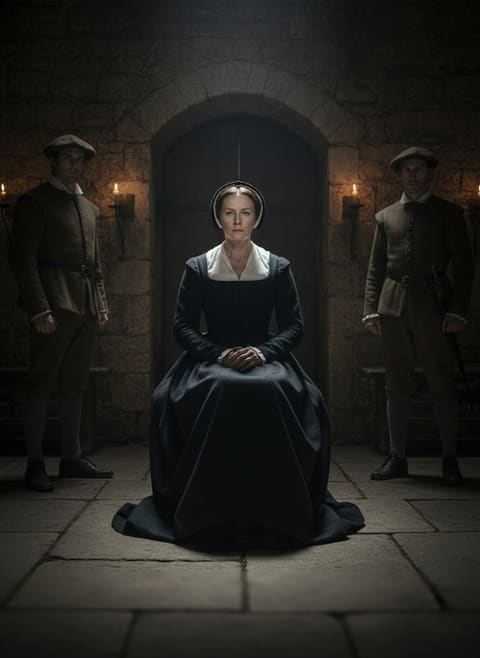
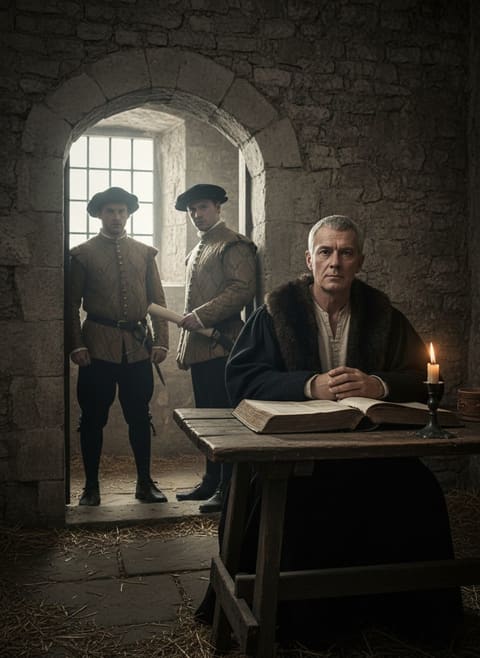
Fury etched in his tone, the judge fined and jailed the jury for contempt. The decision to imprison jurors for their verdict threatened the very bedrock of the English legal system — the independence of the jury. Locked within the dank confines of Newgate Prison, Bushell contemplated his next move. The labyrinthine corridors of the prison echoed with the voices of the unjustly trapped, but it was his own insistent inner voice that propelled him toward action.
Bushell's refusal to pay the imposed fine was an act of quiet rebellion with momentous repercussions. He appealed his case, an arduous process that demanded courage and conviction. His step into the legal unknown was not merely a personal stand but the opening gambit in a landmark challenge against judicial tyranny.
The Court's Concession
The historic proceedings that followed became the foundation for an enduring legal principle. The higher authorities, startled by the audacity of such a challenge to judicial power, were reluctant yet compelled to examine the matter. Edward Bushell's appeal reached the Court of Common Pleas, where Chief Justice Vaughan reviewed the assertions of an imprisoned jury, an unprecedented issue that exposed imperfections in judicial practice.
Read next: The Day a Tudor Bishop Refused to Crown a Usurper
The court's decision, favoring Bushell, was groundbreaking. It affirmed the rights of the jury to independently reach a verdict without fear of retribution or coercion from the bench. With this judgment, a new legal doctrine emerged: the integrity of the jury was paramount, and its verdict was inviolable. This doctrine signified a shift in the balance of power within the justice system, granting citizens an enduring safeguard against judicial overreach.
The Lasting Impact
Edward Bushell's stand reshaped the contours of British justice, echoing through the ages. The recognition that jurors could not be punished for their verdicts established a crucial precedent. This principle became a cornerstone of legal systems well beyond England’s borders, influencing the developmental trajectory of judicial processes in emerging democracies worldwide.
At its heart, the story is a testament to the power of individual conviction against an overwhelming establishment. Bushell's defiance and the resultant legal change showcase how seemingly small acts of courage can catalyze monumental shifts in societal structures. Today, the right to a fair trial by jury, protected from external interference, is a bulwark of modern democracy. It's a legacy forged not in the halls of power but in the determination of those like Edward Bushell who dared to confront authority and insist on justice. This principle continues to inspire and anchor the judicial systems across the globe, underscoring the enduring truth that justice belongs in the hands of the people.