The rancid stench of unwashed bodies and damp straw choked William Tuke’s lungs as he stepped through the half-lit corridors of York Asylum. The silence was broken only by the clinking of chains and the occasional distant scream. His eyes strained to read the conditions that his Quaker principles told him were utterly wrong. Though the asylum was intended to be a place of refuge, it reeked more of a forgotten dungeon, bearing grim tales of madness and neglect. Just what manner of treatment was this?
Discovery at York Asylum
William Tuke’s visit to the York Asylum in 1788 was not one of mere curiosity; it was driven by concern and a moral obligation dictated by his faith. As a Quaker tradesman and philanthropist, Tuke was accustomed to the environment of tea rooms, not the shadowy nooks of mental institutions. He had been invited by fellow Quakers to examine the conditions of the asylum, and what he witnessed was enough to sear a determination deep into his conscientious mind.
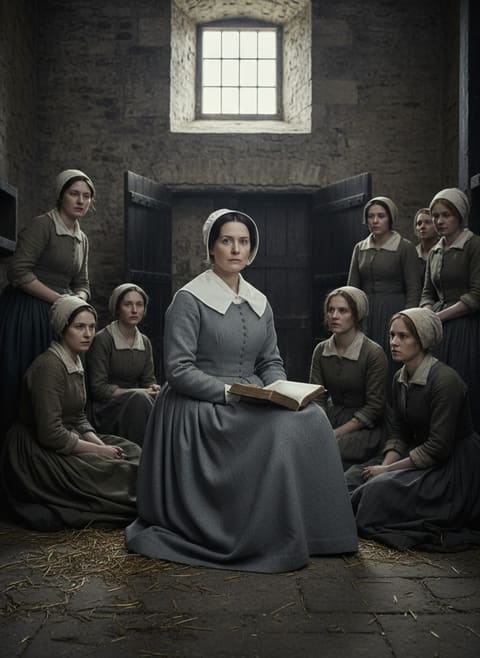
Inside the grim walls of York Asylum, Tuke found inmates who were, in reality, prisoners. Chained to walls, the mentally ill lay sprawled on filthy straw, their cries echoing off cold stone. The stench of urine and sweat permeated the air, pungent enough to turn even the strongest of stomachs. The staff, ill-equipped and ill-trained, used methods that seemed aimed more at punishment than at healing. Here, the human spirit was beat down, not built up, and Tuke could scarcely comprehend the horror.
Having witnessed this appalling scene, Tuke’s Quaker devotion to compassion and humanitarianism was galvanized. He knew that those deemed mad deserved more than shackles and solitude — they needed understanding, empathy, and care.
Read next: The Day a Black Sailor Walked Into Court and Freed Himself
A Revolutionary Vision
The encounter solidified Tuke’s resolve to establish an alternative to the punitive methods of the time. Drawing on his rich family heritage of philanthropy and Quaker ideals of kindness and simplicity, he envisaged a retreat. This place would be guided by the principle that the mentally ill should receive care as human beings, not as creatures beyond redemption.
In 1792, Tuke began to articulate his plans. He faced the challenge of convincing peers and community leaders of the necessity and viability of such an idea. The prevalent belief was that mental illness was a divine punishment, but Tuke, with relentless determination, promoted the idea that understanding and compassion could coax sanity back from the depths of madness.
After rallying support from his Quaker community, Tuke set forth to establish his groundbreaking institution. He envisioned bright, airy rooms, gardens for walks, and environments that fostered tranquility — elements starkly absent from traditional asylums. This would not be another place of confinement but a shelter offering solace and rehabilitation.
The Birth of The York Retreat
After years of preparation and persuasion, the York Retreat opened its doors in 1796 at Lamel Hill. Far removed from the dingy walls and shadowy corridors of York Asylum, it stood as a beacon of hope for change in mental healthcare.
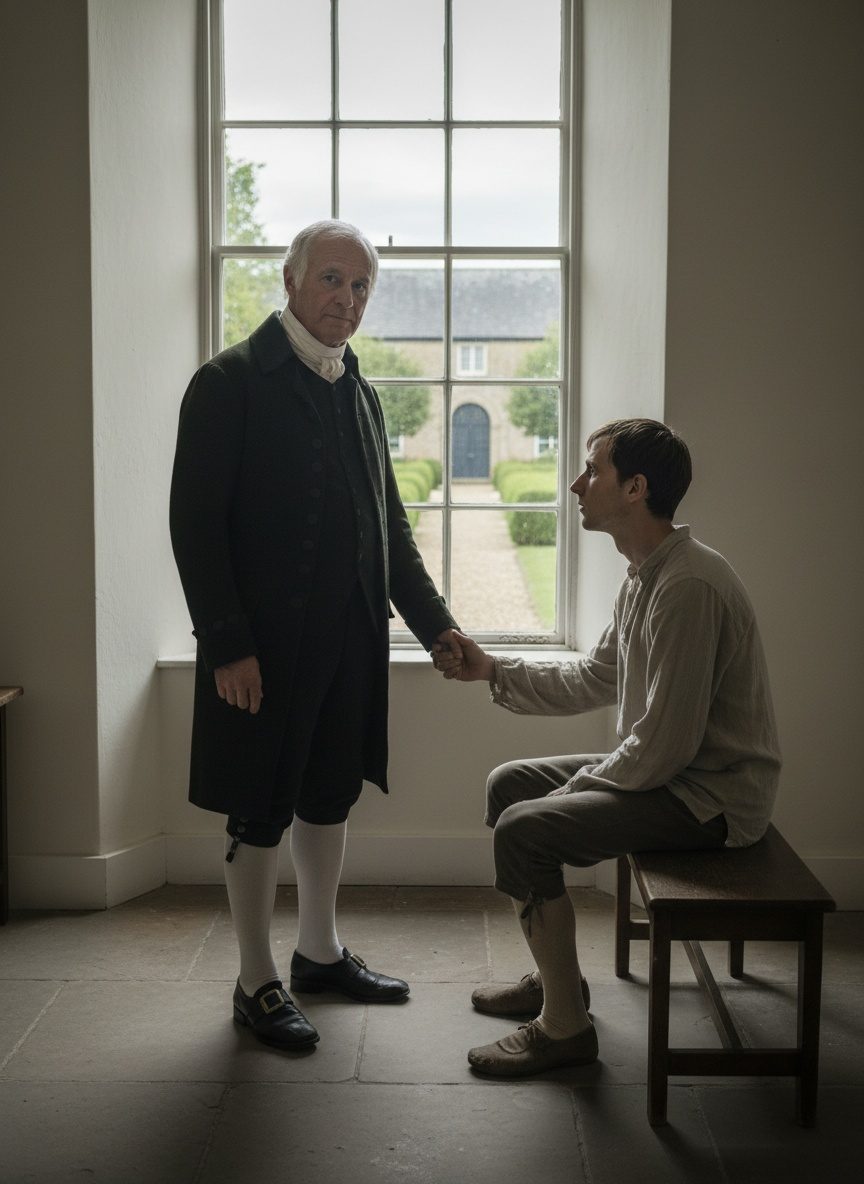
The Retreat was an embodiment of Tuke’s vision for gentler treatment. Patients were referred to as "residents," a simple shift signifying profound respect. Here, they were engaged in structured daily routines tailored to maintain and encourage mental well-being. Visitors were astonished to see gardens where residents could stroll, gathering rooms with windows that invited sunlight, and staff who approached the care of residents with patience and kindness as their core duties.
This innovative approach was what Tuke termed "moral treatment." It shunned physical restraint and focused instead on positive reinforcement and a nurturing environment. Residents cultivated vegetables, read books, and partook in recreational activities — small acts of normalcy that chipped away at the walls of their former affliction.
The Retreat showed that compassion could coax out clarity where cruelty had failed, transforming the lives it touched. It was a pioneering effort that shifted the paradigms of mental health treatment worldwide.
Read next: The Day a London Clerk Walked Into Court for a Dying Slave
Lasting Echoes Through the Ages
The success of The York Retreat became a talking point well beyond the borders of Yorkshire. Visitors, from social reformers to medical professionals, came to learn about the humane practices being implemented within Tuke’s walls. As word spread, so too did the philosophy of moral treatment, echoing through the corridors of asylums across Europe and North America.
The Retreat inspired others to adopt kinder approaches to mental health care, forcing a reevaluation of the grim sanitariums that had dominated for far too long. William Tuke’s methods highlighted the necessity of treating those with mental disorders as members of society, deserving the same empathy and understanding as anyone else.
Gradually, the chains that bound so many in darkness were replaced by talks of therapy and recovery. Tuke’s principles sowed the seeds for the modern psychiatric practices we know today, promoting an understanding rooted in humanity rather than one driven by fear.
A Legacy Built on Kindness
William Tuke’s work at The York Retreat profoundly redefined the relationship between society and the mentally ill, offering a compassionate alternative at a time when darkness prevailed. His life’s work materialized the Quaker belief in seeing “that of God in everyone,” and in doing so, set a precedent for the humane treatment of mental disorders.
This chapter of history reveals the power of empathy and precision of moral vision. It illuminates a path forged through adversity and guided by faith, teaching us that even the quietest revolutions can reverberate across centuries. As we remember the visitors’ first shocked gasps echoing through York Asylum’s dismal halls, we also remember how Tuke’s legacy continues to inspire humanity to look for kindness where chaos once ruled.