He was past seventy years old. Yet, when all hope seemed lost for England, he mounted his horse and rode to face his destiny. This is the unlikely tale of William Marshal, the greatest knight of medieval Britain, whose undying loyalty and bravery turned the tide in a moment when the realm's future hung by a thread.
The Winds of Change
In the year 1216, England found itself at a perilous crossroads. King John, infamous for his tyrannical rule and military failures, had provoked his barons into outright rebellion. Fed up with John's high-handedness and the loss of lands across the Channel, a powerful faction of English nobles made the audacious move of inviting Prince Louis of France to claim the English throne. This was no empty invitation; with many disgruntled English barons switching their allegiance, Louis landed in Kent with a formidable army.
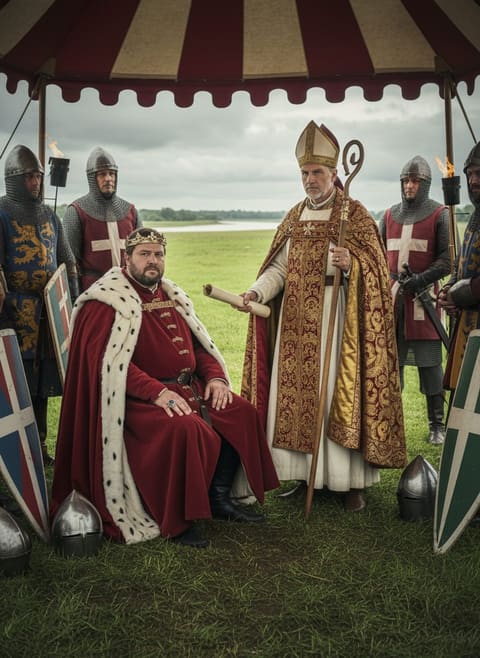
Meanwhile, young Henry was crowned as the new king of England, a mere nine years old, clutching a crown he barely understood and seated on a throne that seemed as substantial as morning mist. His father, King John, had died, leaving behind a chaotic and fractious kingdom. Henry appeared to have nothing but the borrowed majesty of kingship and the steadfast loyalty of one seasoned warrior.
William Marshal: A Knight of Unyielding Valor
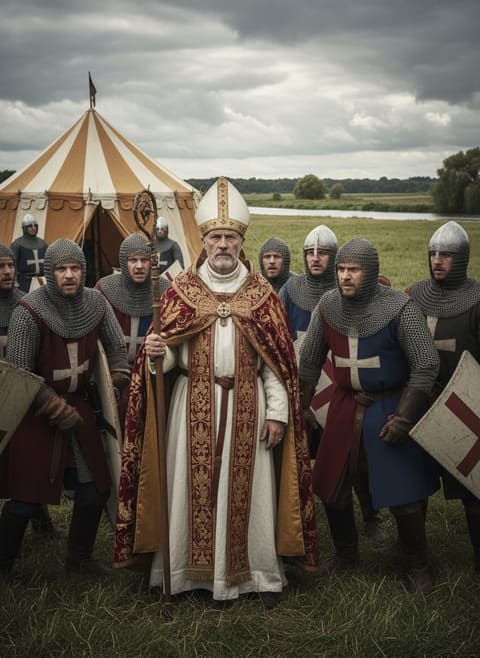
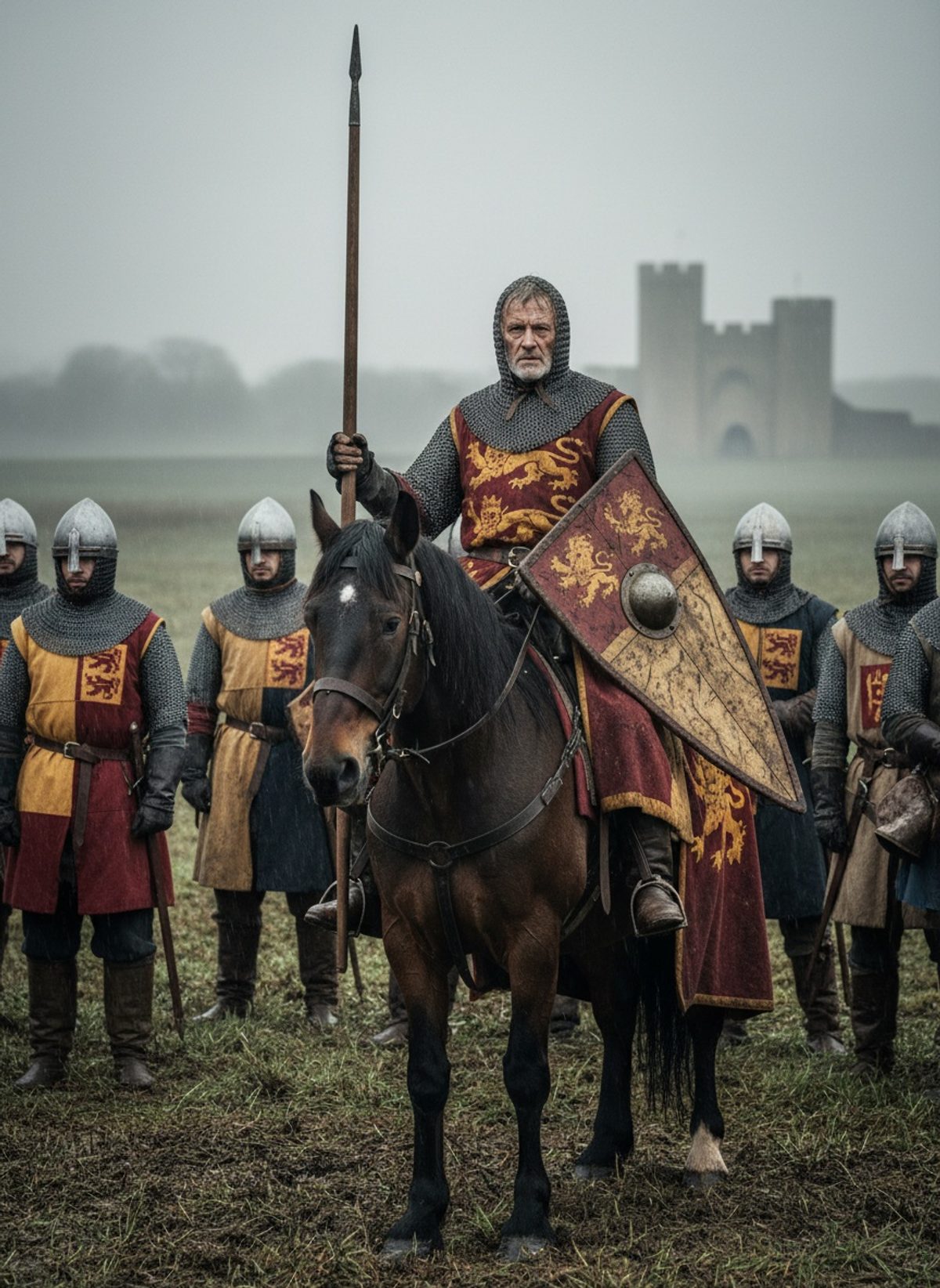
William Marshal was that man. Known as the greatest knight of his age, his life was one that reads like an epic saga. Born in 1147, William had served four kings and had won the respect of allies and enemies alike. He had faced battles, tournaments, and diplomatic challenges throughout his long career. By 1216, one might think an old knight like Marshal would seek solace and rest. Yet, instead of retreating, he donned his armor for another campaign, his allegiance pledged to the boy king who could barely lift a sword.
Read next: The Day a Welsh Girl Barred the Door on a King's Army
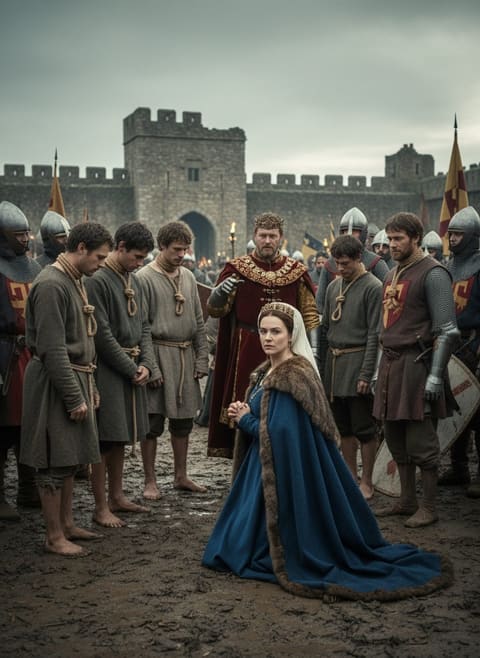
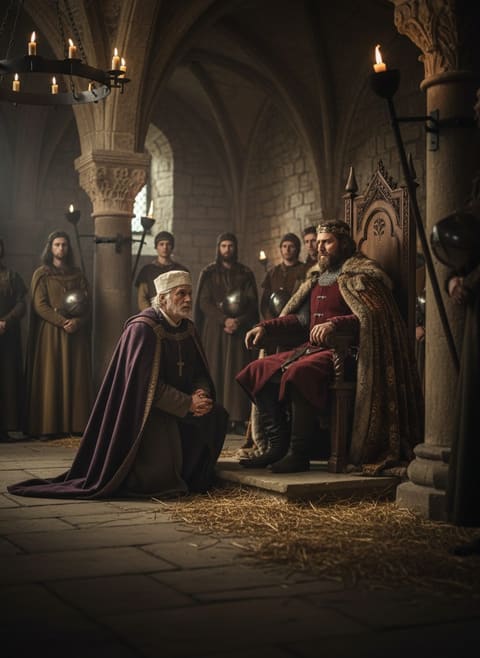
At Gloucester, in a defining moment reminiscent of a scene from the realm of myth, Marshal knelt in the mud before young Henry. With fierce eyes blazing and voice resolute, the septuagenarian knight swore his fealty and vowed to defend Henry's right to the crown. Those who witnessed this oath could not help but feel the weight of history in the making, as a lifetime's reputation gathered behind a promise that no one else dared to make. So began a campaign that few had imagined could succeed.
The Battle for Worcester
The French army, buoyed by their English allies, believed their victory was near. The heart of England seemed to lay open before them as ripe for conquest as it had ever been. Yet, William Marshal, with the remnants of the loyalist English troops, refused to yield. Spearheading the fight to retake critical strongholds, he set his vision on the fortress city of Worcester and those beyond it.
Marshal's strategy was as daring as it was unexpected. With his customary knack for turning the tables, his forces conducted swift and sharp sorties, laying the groundwork for a larger, decisive engagement. Then, as spring unfolded over the battle-scarred fields, the knights of the Angevin loyalists met the French in a climactic showdown. The air thrummed with the clash of swords and the shouts of riders, every strike painting the landscape with the colors of defiance and grit.
Legend has it that during the battle, William Marshal rode with an intensity that defied his years, inspiring his soldiers to rally beyond their limits. Against the odds, his tactical genius began to unravel the French advantage. At Worcester, and in the confrontations that followed, Marshal's seasoned leadership fostered an improbable resurgence, reversing the tide that had threatened to drown a nation's destiny.
Read next: The Day a Medieval Mayor Knelt and Saved Six Condemned Men
The Echoes of Loyalty
The victory at Worcester did more than secure a town; it began the process of shaking loose the French grip on England, which ultimately led to Prince Louis’s retreat. In the aftermath, the naysayers and skeptics who had dismissed the young king and his champion could only watch in astounded silence as history declared its allegiance to courage and fidelity.
William Marshal lived to see the seeds of his loyalty bear fruit. The young king grew into his role, and England gradually stabilized under his reign. Marshal's actions ensured that the crown stayed with its rightful heir, a fact long underappreciated by those who observe only the grand tapestries of war and politics, while missing the singular threads that hold them together.
In the chronicles of medieval Britain, where empires rose and fell, the aging knight, bound by honor, shifted the fate of a realm on his weathered shoulders. His tale whispers a forgotten truth—that even amidst the chaos of a world unravelling, acts of steadfast loyalty and courage can shape the course of history in ways unforeseen by those who wield power unevenly.