Richard II was a king who changed the course of English history. He was only fourteen years old.
The Teenage King
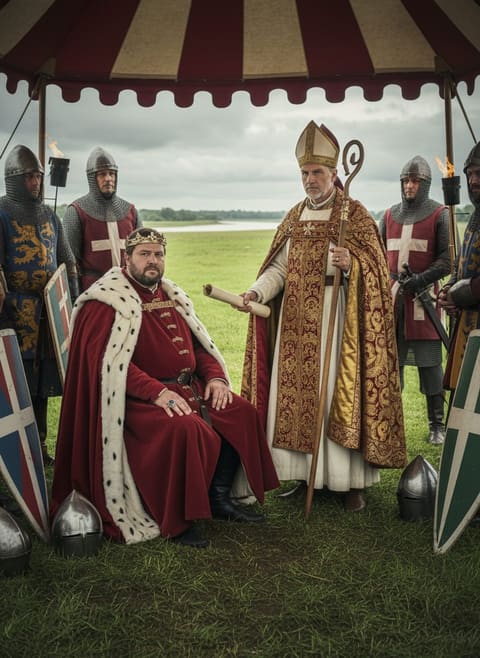
June 1381—an unprecedented time in the medieval tapestry of England. Richard II, fresh-faced and barely into adolescence, sat upon the throne amidst a realm roiling with unrest. At an age when many were still grappling with the tribulations of a first hunt or joust, Richard found himself thrust into an arena of rebellion. The realm was his responsibility, whether or not he was ready for it. In those days, a king was not merely a figurehead; he was the living embodiment of divine right, the balance point of order and chaos.
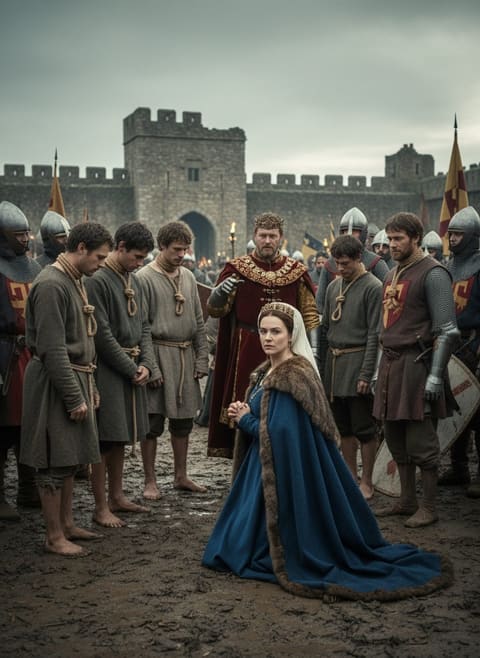
This boy, this monarch, faced a challenge that would chill even the most battle-hardened heart. London, England's pulsating heart, seethed with desperation and fury. The Peasants' Revolt had turned from murmurs of discontent to a full-throated growl. Sixty thousand rebels camped outside the city, simmering with grievances against taxes and tyranny. As London burned, advisors who should have offered guidance instead scattered like leaves in a storm, leaving the young king vulnerably alone. Yet, Richard's childlike audacity led him to a course of action memorable enough to have dwindled into legend.
The Gathering Storm
The mid-June air was a mixture of smoke and fear as the revolt swelled into the largest popular uprising the kingdom had witnessed. The Londoners feared an onslaught that would ferociously rip apart the city's very fabric. This revolt was not just about taxes or servitude; it was the people's anger coalesced into a visceral demand for change. The young king's retinue, lacking unity and courage, fell apart under the stress of impending chaos.
Read next: The Day a Welsh Girl Barred the Door on a King's Army
Every tick of the clock reverberated like thunder as the rebels clashed with the city's defences. With no seasoned hands able to steer the ship of state, young Richard faced a decision most wise men would dread. He could hide, imploring whatever divine intervention he believed in, or he could step beyond those palace walls to confront the rebellion.
The Reckoning
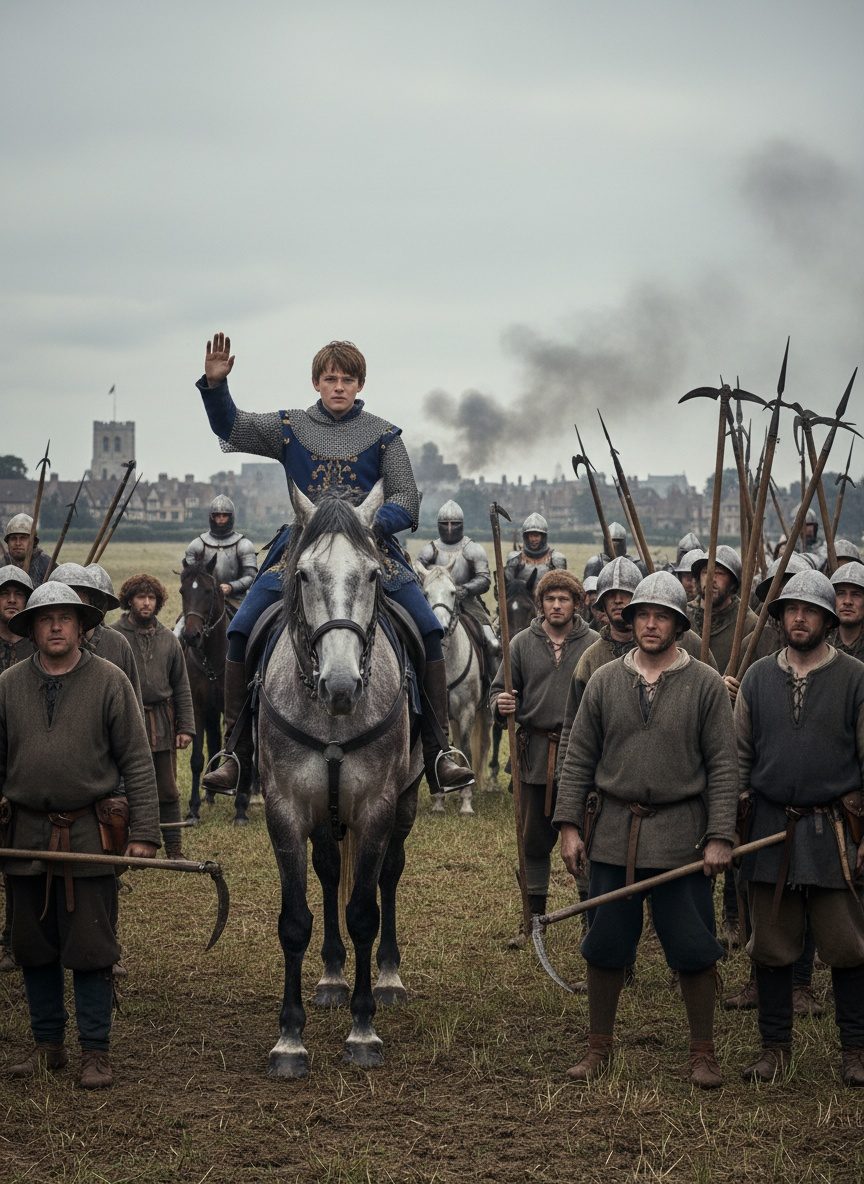
On that fateful day—anonymously cast across the ages—Richard chose to leave the familiar shadows of royalty. Seeking neither sanctuary nor counsel, the young king rode out alone towards the seething throng of rebels. Picture it: a solitary figure on horseback, clad in the trappings of his office yet utterly exposed, every hoofbeat an exercise in youthful determination.
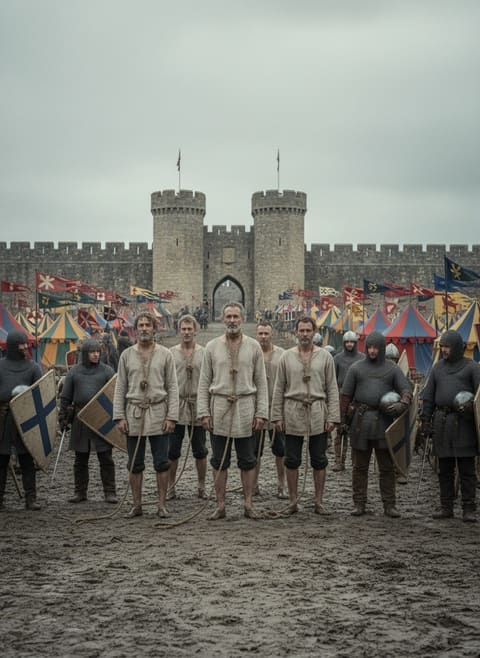
The field lay outside London's suffocating grip, alive with the noise of unrealised dreams and seething demands. Richard approached not as a frightened boy in regal attire, but as a leader with everything to lose, his heart no doubt pounding with each step closer to the mob. Amid that pressing throng, he held himself with a steely resolve few would expect from one so young.
In the tension-laden silence, his voice emerged—a beacon amid the chaos. "Follow me," he said, proclaiming not just words, but offering a promise of hope. The choice was before them: heed this child-king's command, or plunge the kingdom into further turmoil. It was a moment that danced on the sword's edge between folly and bravery.
Read next: The Day a Medieval Mayor Knelt and Saved Six Condemned Men
The Aftermath and Legacy
Despite the raging inferno of emotions within the rebellious ranks, many did follow. The uprising, like a river crashing into the sea, began to lose its momentum. The volatile blend of audacity and innocence presented by Richard turned what could have been a calamitous conclusion into a rare moment of clarity. For the rebels, it was not a capitulation, nor was it acceptance—it was a chance to be acknowledged by their sovereign, a shift that transformed anger into grudging respect.
The scene's resolution did not, unfortunately, end the narrative of Richard's reign with a serene coda. It did, however, etch an indelible image into the chronicles of the medieval history of England. Richard's later life would be plagued by its own trials and tribulations, a path meandering between wisdom and folly. But on that day, in a field just outside a burning London, a boy stood alone, and a nation held its breath.
The story matters not only for its historical audacity but for the eternal lesson it imparts: the seemingly insurmountable obstacles often reveal the most profound strengths. Richard II's solitary stand against a sea of rebellion, whether brave or reckless, illuminates the potential within us to face overwhelming odds. It's a legend, perhaps, crafted not so much from the deeds themselves as from the courage to act amid the clamour of doubt and the vast tapestry of history.