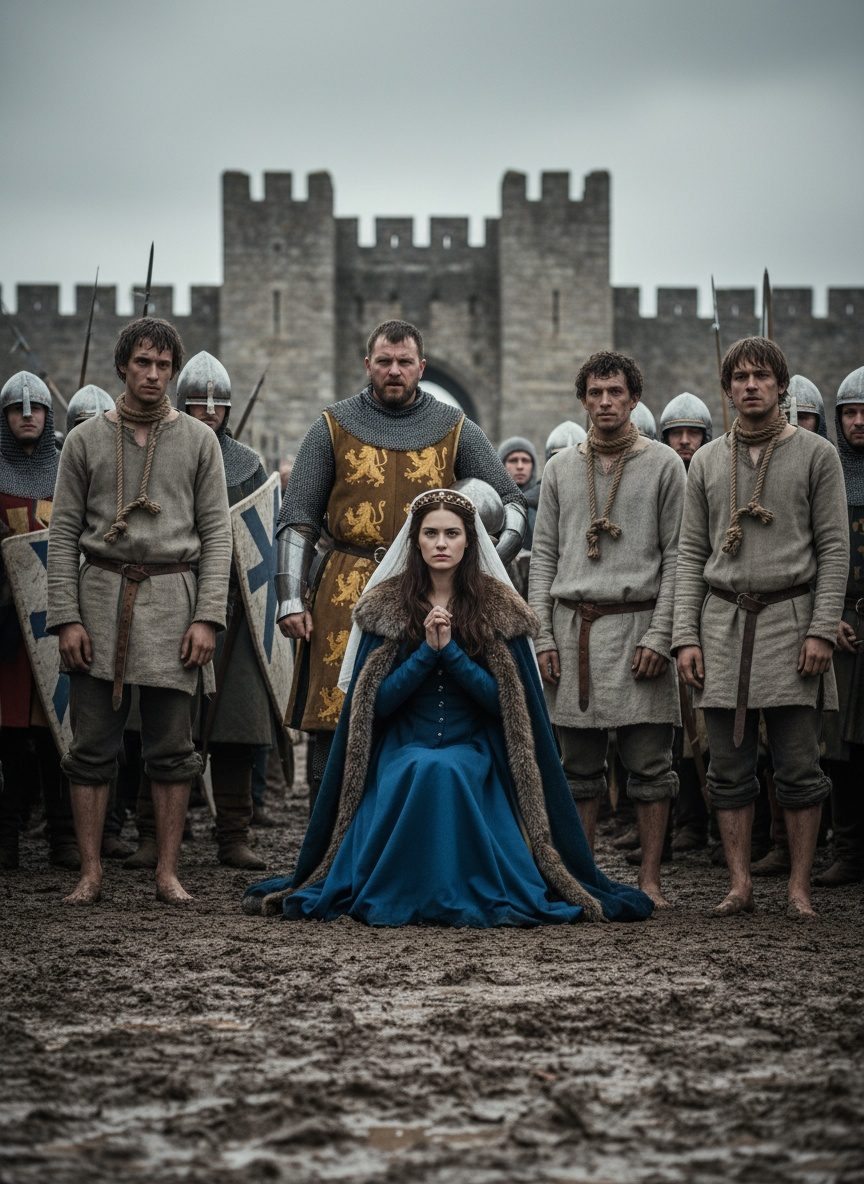
The sky over the windswept plains of medieval England is a tempest of greys and deep blues, the angry clouds mirrored by the turbulent political and social landscape below. In the distance, the clang of iron upon iron rings out from a blacksmith's forge, its stark notes underscoring a nation at a crucial and transformative juncture. Here, in the year 1348, amidst the echoes of warfare and the ominous shadow of the Black Death, a seemingly incongruous decision changes the very fabric of English identity.
The Martyr from Afar
Glimpse into the past to a different world entirely, far removed from the English meadows. Born in the late 3rd century AD in the region of Cappadocia, in what is now modern-day Turkey, George was a Roman soldier whose life and martyrdom were destined to transcend borders. Despite his origins in the Eastern Roman Empire and the impossibility of him ever setting foot on English soil, it was his faith that marked him for eternal remembrance. The execution of George in 303 AD, during the Diocletianic Persecution, was a death born of religious conviction, making him a symbol of bravery and resilience. The tales of his courage reverberated across Christendom, sowing the seeds of his legend with fertile myths and the miraculous narrative of a dragon-slaying knight.
A Chivalric Emblem
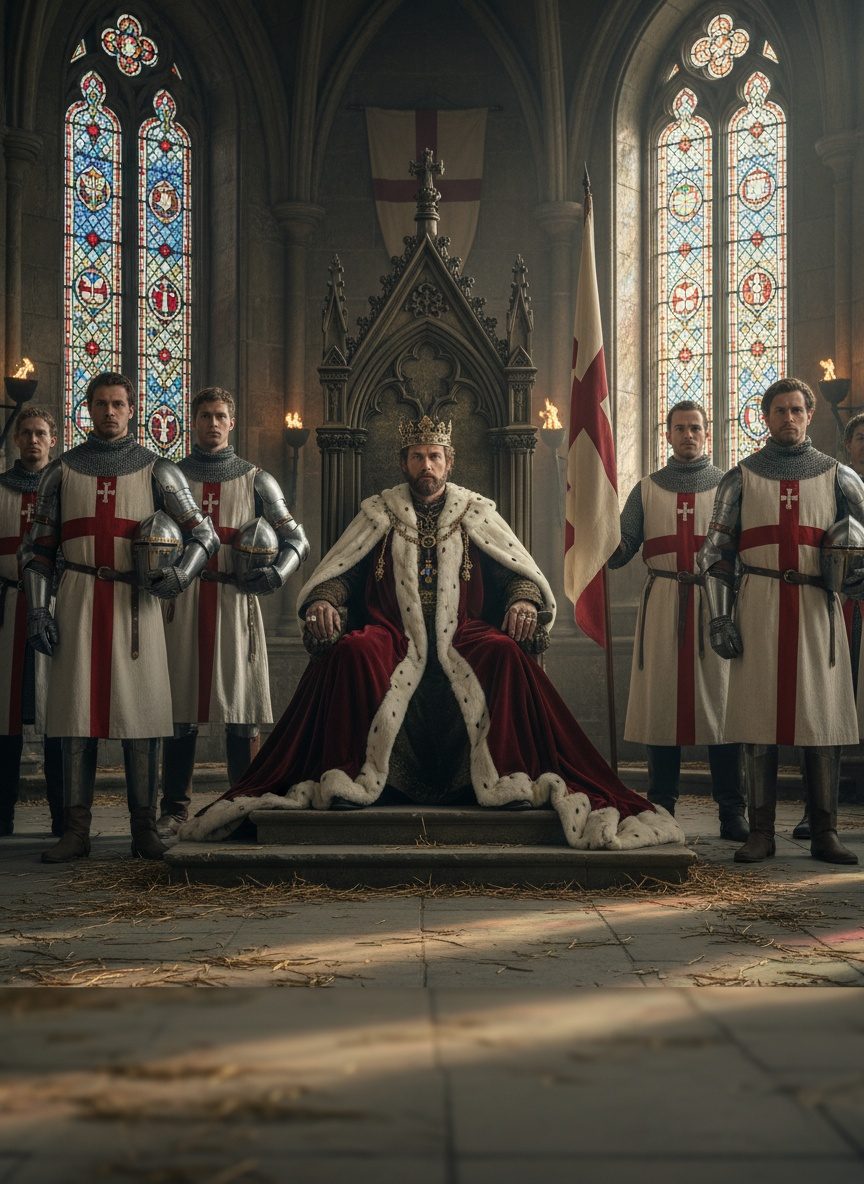
The England immersed in the mid-14th century was a realm treading the fine line between the feudal traditions of past and an uncertain tomorrow. King Edward III, determined to anchor his rule in chivalric grandeur, sought symbols that could unify his people under a banner of shared strength and faith. In Saint George, Edward found not only the embodiment of martial prowess but also a celestial protector against the onslaughts threatening his kingdom. Beyond martial fields, the cult of George had gradually spread across Europe, quickly becoming entwined with the ideals of knighthood and valor. As Edward looked to elevate his fledgling Order of the Garter, established in the same year, George emerged as the ideal guardian and rallying symbol for the nation.
A New Banner Unfurled
Edward's proclamation adopting St George as England's patron saint carried with it a powerful visual transformation. The cross of St George, a simple red cross on a white field, became the ubiquitous emblem of English identity. In choosing George, Edward III effectively set in motion a cultural pivot, asserting an identity both unique and fervently woven into the ever-expanding folds of Christendom. Through the lens of the dynasty, and in light of the hundred years of conflict with France that lay ahead, this choice was far from arbitrary. St George's symbolism breathed new life into a nation doggedly struggling against the encroachments of an uncertain future, making the red cross an indelible silhouette on the tapestry of English history.
Tales Told by Firelight
As stories of the dragon-slayer filtered into the flickering lantern-lit dens and the hushed whispers of evening prayer, the medieval English mind found comfort in tales of divine intervention. Here, Saint George transcended legend; he became a moral guiding star in the heavens, a knight who painted dreams of dragon-slaying valor for every village lad and courtly noble alike. The mix of reality, legend, and sheer imaginative embellishment interwove to a point where the fabrication became history, and George stood as a figure of what could be, in times when reality strove to say otherwise.
The Heart of a Nation
To understand why this story remains significant even centuries later, consider the confluence of history and myth that defines our collective identities. The selection of a foreign martyr, hailing from distant lands, speaks to a broader canvas of shared human experiences that transcend time and geography. By choosing a Roman soldier from Cappadocia as their patron saint, England claimed not merely a saint but a narrative of universal courage and faith. St George's story is a poignant reminder of how nations are built not solely upon their own soils but through the ideas and influences carried on the winds of time and tales. This peculiarly foreign guardian came to embody the heart of a nation, seamlessly binding past with present, reality with myth, and leaving a legacy that continues to shape England’s national identity today.