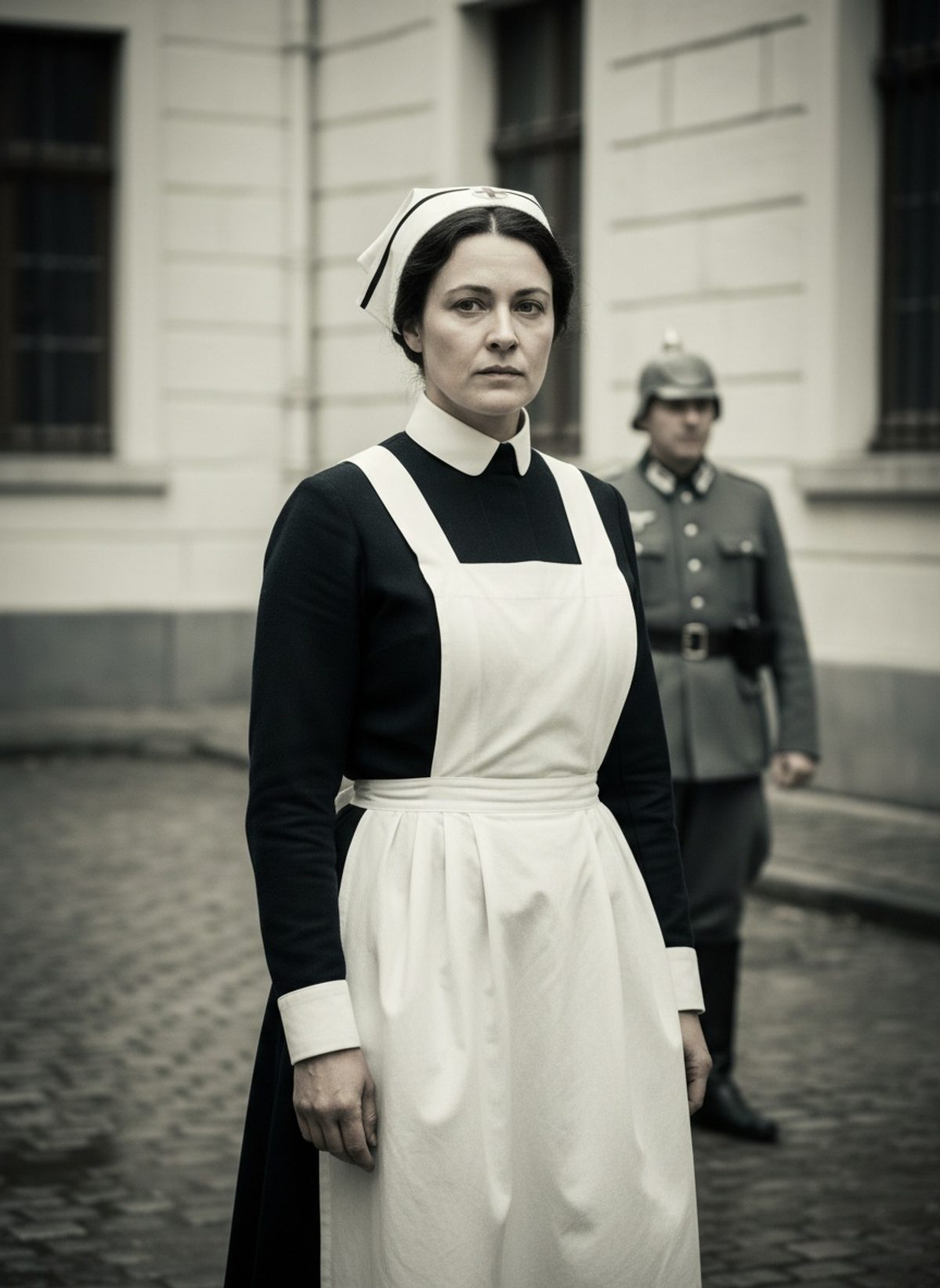
The air in the makeshift courtroom hung heavy with tension as Edith Cavell, her posture resolute, met the cold eyes of her captors. The echoes of military boots on cobbled floors filled the room as she stood alone before her judges, aware of the fatal path her actions had paved. But fear did not dominate her thoughts. Instead, a deep sense of purpose guided her, even as she faced the certainty of a firing squad. Edith's choice was made long ago, in the weeks following the German occupation of Brussels during World War One, when she decided that being a nurse was about preserving life, no matter the cost.
The Heartbeat of Conviction
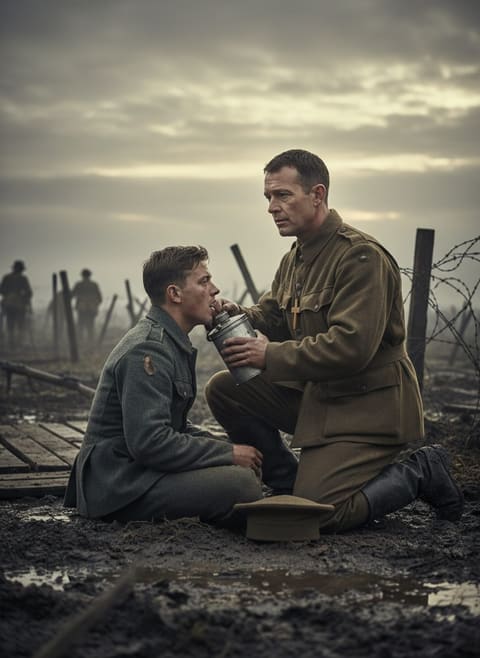
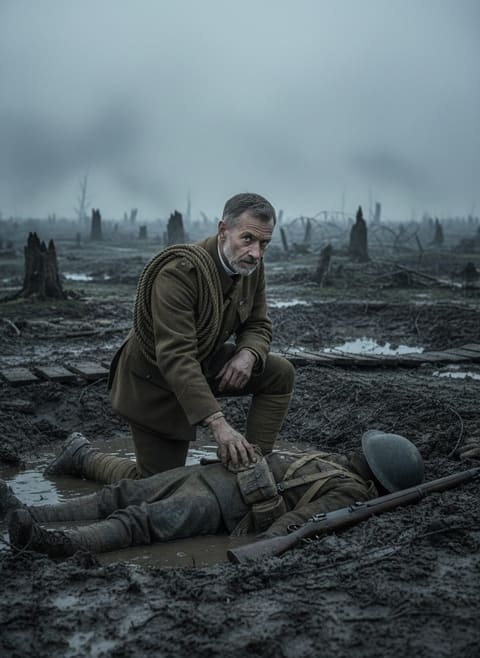
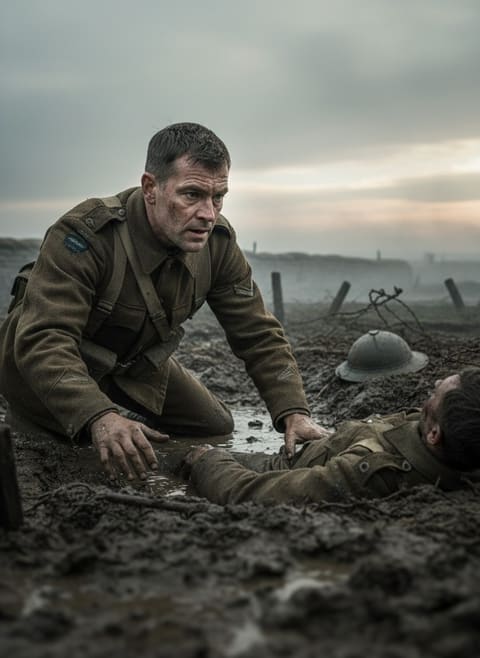
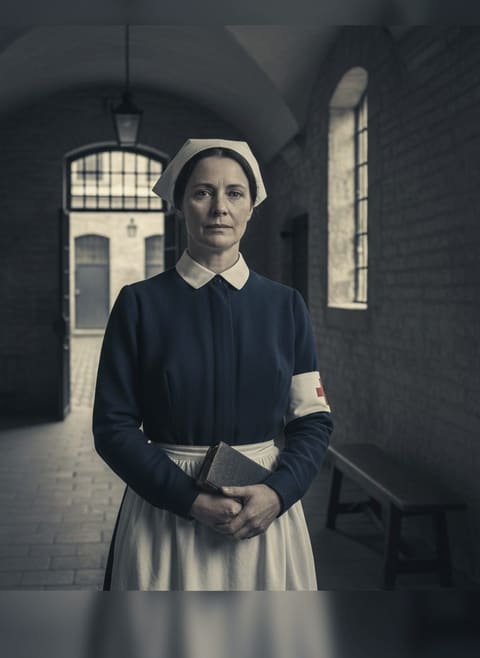
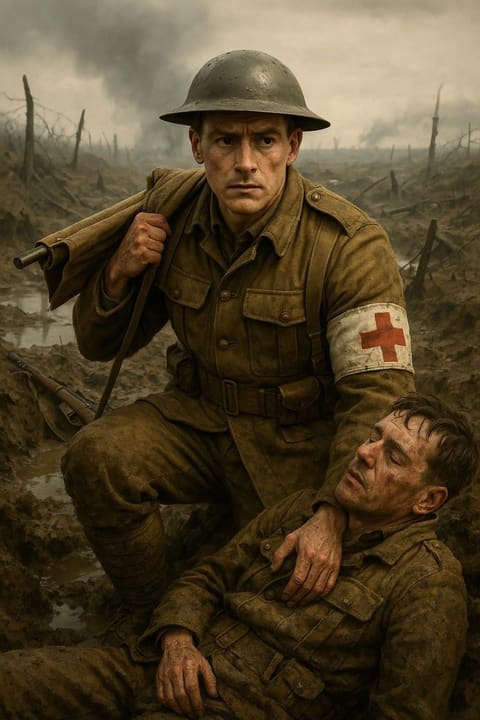
Brussels in 1914 was a changing landscape, a once vibrant city now silhouetted against the grey tapestry of war. When the German forces swept through, they brought with them a reign of control that threatened the essence of life itself. Amidst this chaos, Edith Cavell, a British nurse with a heart as unyielding as her principles, found herself in a dire position. As the head nurse of a medical training school turned Red Cross hospital, she witnessed firsthand the desperate plight of wounded soldiers, Allied and German alike.
For Edith, the oath to protect and heal did not end at a national border. Her determination took root in her DNA — to see every man receive the care they needed, to offer a chance at life regardless of allegiance. Her faith, a constant guiding light, told her that humanity was what truly stood to be defended, but such a stance invited perilous consequences under occupation. Operating under the cloak of night, Edith's compassion and bravery initiated a covert rescue operation. She helped over 200 Allied soldiers escape into the safety of neutral Holland, an act of mercy that defied the harsh realities of her time.
What many don't know about Edith's underground railroad of salvation was the close-net network of expatriates and locals who shared her vision. Fellow nurses, doctors, and civilians secretly allied with Edith, forming an elaborate chain of safe houses and secretive escorts that coiled beneath the oppressors' notice. The risks were immense, each journey a whisper away from betrayal, but the cause was essential — and Edith Cavell, the angel of mercy, was its steadfast heart.
Read next: The Flower That Became Britain's Symbol of the Fallen
A Trial Not for the Faint of Heart
The dreaded moment arrived in August 1915, when the weighted knock of fate echoed upon Edith's door. Arrested by the German military, her trial was predetermined, a show of power rather than a quest for justice. Charged with treason, her fate lay in the hands of military rulers, who sought not truth, but an example to discourage resistance. Imprisoned in Saint-Gilles in Brussels, she faced a military tribunal on October 7th, 1915. Edith's crime was clear — aiding the enemy — but her spirit remained unwavering.
"Patriotism is not enough," she declared, a phrase that would endure long after her final breath. Her defense was not one rooted in denial or plea bargaining, but rather a testament to the belief that humanitarian duty transcended wartime politics. As she stood before the tribunal, she offered no contrived excuses, only stark admissions. Her resolve shone brightly against the dimness of judgment, and her voice did not waver. She proclaimed her unshaken belief in the sanctity of life, a reflection of her unwavering faith.
As news of Edith's arrest spread, it ignited a global outcry. International attempts to seek clemency flooded in, from the United States to the Vatican, each plea highlighting Edith's noble intentions. Yet, the machinery of war and its bureaucracies turned a deaf ear to the humanity beneath the headlines. Her impending execution became a symbol — not just of war's indiscriminate cruelty, but of the resilience of a singularly courageous spirit standing against the mighty tide of militaristic might.
Read next: The Day a British Chaplain Walked Into No Man's Land Alone
The Final Act of Grace
The chill of October 12th, 1915 embraced her as she stepped into the early dawn. The courtyard of the Belgian prison was quiet, aside from the shuffling of feet and the soft murmured prayers of a priest beside her. Edith Cavell's final moments were not filled with regret, but an affirming peace that her actions, though punishable by death, were acts of life-giving mercy. She stood calmly before the riflemen, her heart steady with the knowledge that her legacy would echo far beyond the gunshot to come.
Her last words, spoken with remarkable grace, were a testament to her faith: "I am thankful to have had these ten weeks of quiet to get ready. Now I find myself face to face with God." The volley of shots rang out, a cacophony silencing the heartbeat of heroism that inspired the world. Her death became a catalyst for renewed vigor against the oppressors, galvanizing public sentiment and drawing new recruits to the cause of the Allies.
Edith Cavell's story, the tale of a nurse who defied tyranny with compassion, reminds us that true courage is not found in the absence of fear, but in the choice to act out of love in the face of it. Her life underscores the profound impact one individual can have when steadfast principles guide one's every action. She stood at the intersection of humanity and horror, making a choice that defined her as not just a caregiver, but a beacon of grace and resilience. In the tapestry of history, her promise of forgiveness continues to inspire. It challenges us to reflect on the boundaries we dare to cross to uphold justice, kindness, and a singular belief in the sanctity of life.