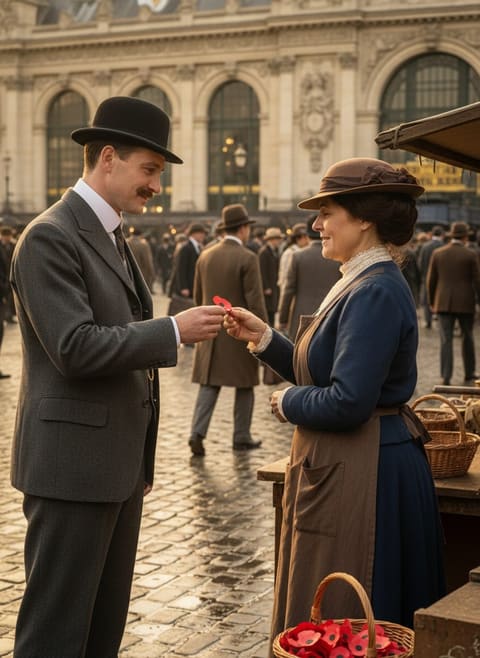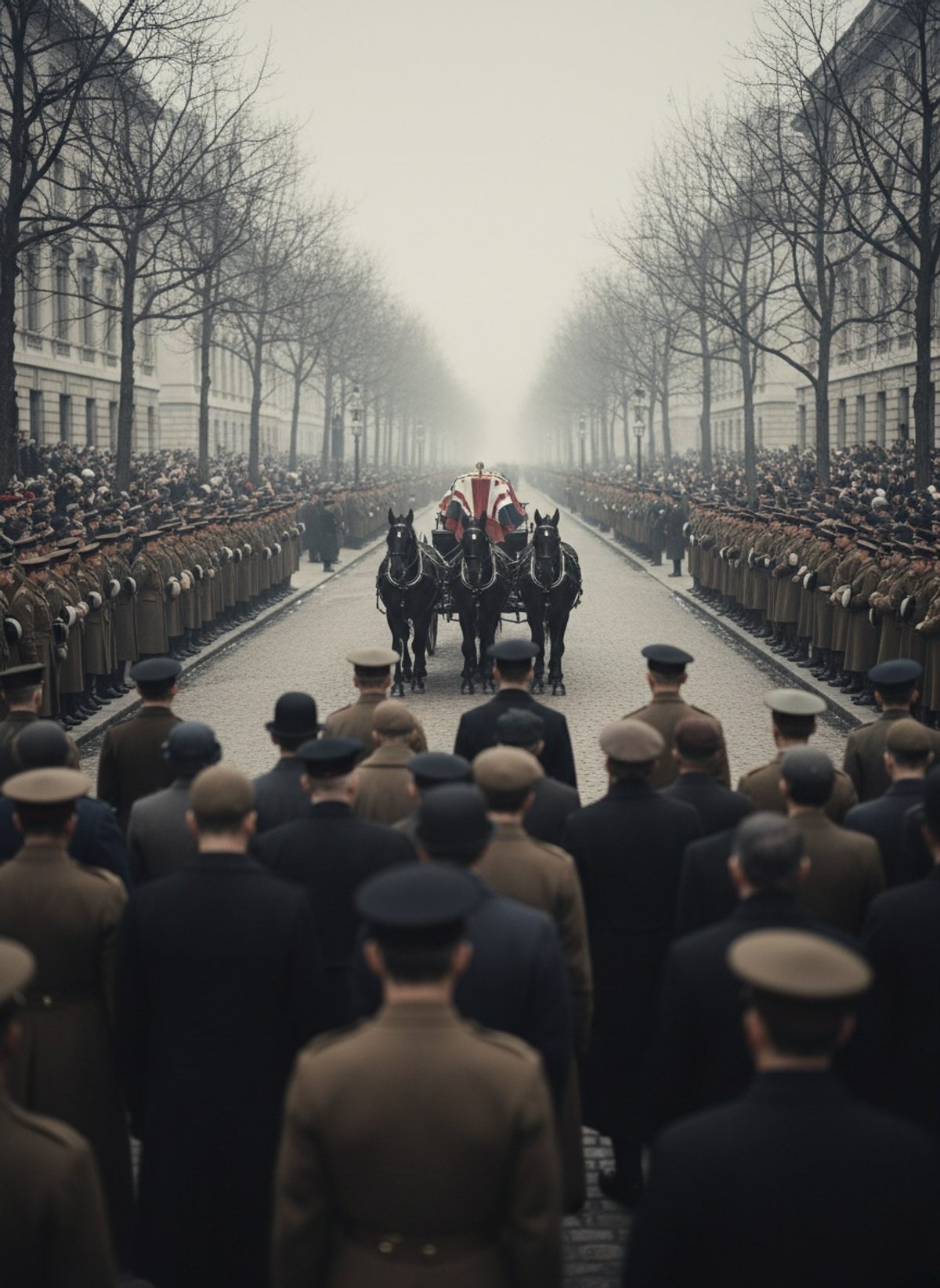
November 11, 1920. A gun carriage wreathed in somber flowers moved quietly through London's thronging streets. On that day, the echoes of an entire nation could be heard in the soft hush that accompanied the coffin of the Unknown Warrior, shrouded by the Union Jack, on its final journey to Westminster Abbey.
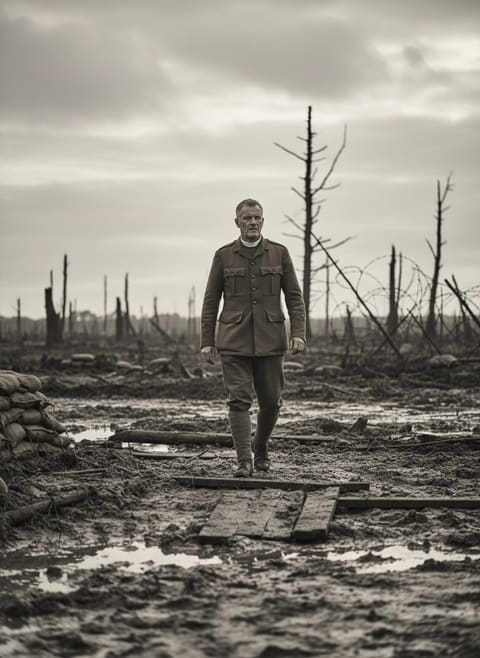
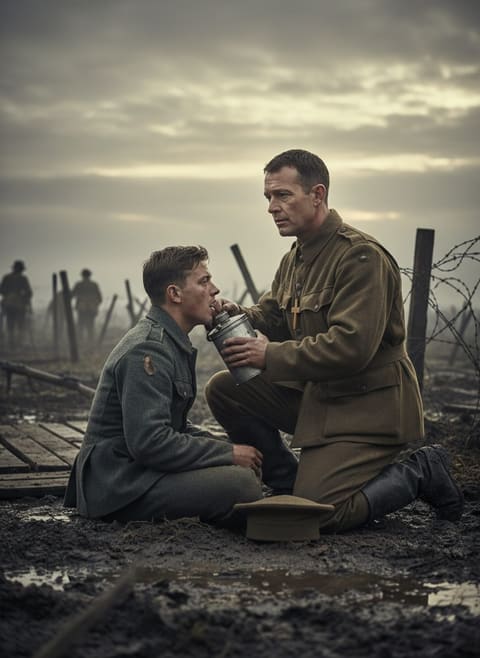
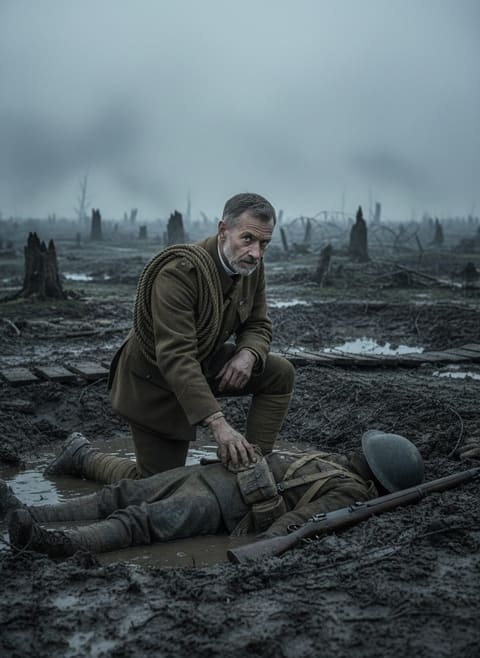
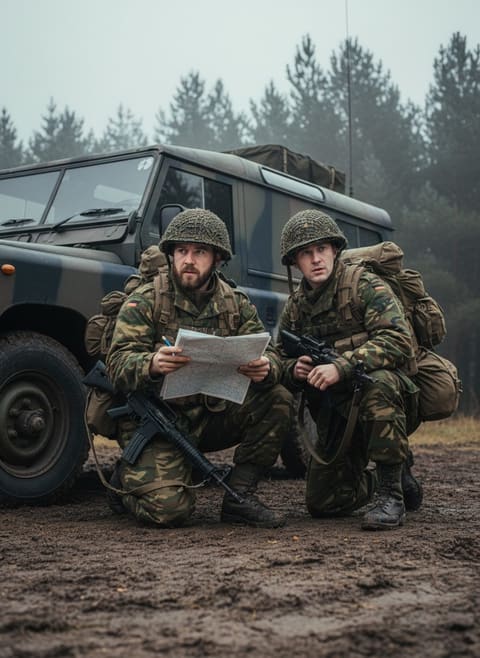
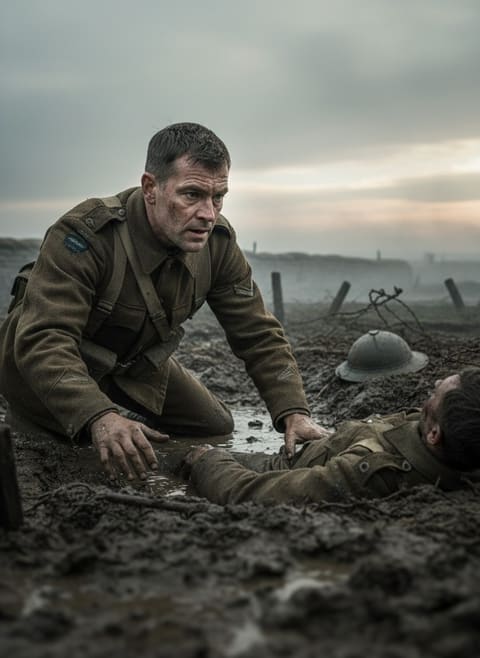
This poignant story began four years earlier on the battle-scarred terrains of the Western Front. In 1916, amidst the relentless clamor of war, an army chaplain by the name of Reverend David Railton stumbled upon a modest grave. There, hastily marked by a rough wooden cross, were the words 'An Unknown British Soldier' penciled in by some unknown hand. It was a sight that lingered in his heart, planting the seeds of an idea that would grow into a symbol of unfathomable significance.
Railton's vision was a simple, yet profoundly symbolic gesture: to bring home one unidentified soldier to Britain, where he would be laid to rest among the nation’s kings in Westminster Abbey. This sacred act was intended not just to honor this nameless warrior but to serve as a deeply personal token of mourning for every individual who lost someone in the Great War. In his letter to the Dean he asked that the soldier be buried “amongst the kings”.
In 1920, Railton's ardent proposal found its champions in the Dean of Westminster, Herbert Ryle, and Prime Minister David Lloyd George. The latter recognized the potent duality of Railton's idea: while the newly created Cenotaph in Whitehall would stand as a national symbol of mourning, the Grave of the Unknown Warrior would penetrate the hearts of the individuals who had clothed their grief in personal loss.
Read next: The Angel of Mons: The Nurse Who Refused to Leave Her Men
The task of bringing the unknown hero home was entrusted to Lord Curzon of Kedleston, a man intimately familiar with state ceremony and dignity. He set into motion a meticulous process to select, transport, and ultimately honor this Unknown Warrior. On the night of November 8, 1920, suitable remains, each a representative fragment of the British sacrifice that fell across the muddy fields of France, were exhumed from various battlefields. These anonymous heroes, made equal by anonymity and martyrdom, were brought to the chapel at Saint-Pol-sur-Ternoise near Arras.
Brigadier L. J. Wyatt and Lieutenant Colonel E. A. S. Gell, agents of the Directorate of Graves Registration and Enquiries, conducted the clandestine selection within the chapel’s shadowed sanctum. Only they entered; only they bore the burden of choice. The process was simple yet profound; with shut eyes, Brigadier Wyatt laid his hand upon one of the coffins. In that instant, a lone warrior was chosen to represent the multitude.
By November 9, the chosen coffin rested under vigilant guard, a solemn procession preceding its delivery to Boulogne’s ancient citadel. There, amidst the storied stonework of a medieval castle, a French military cadre honored this unknown hero in a transformed chapelle ardente. The castle library, usually an abode of learning, now echoed with quiet reverence, as the French 8th Infantry Division, themselves bearers of the Légion d'Honneur, watched through the night.
The transition from French soil to British royalty continued as the coffin was encased in a casket of oak from the regal expanses of Hampton Court Palace. Bound with iron bands, its humility cloaked in nobility, the casket carried a poignant message through history. Atop it lay a sword, selected by King George V himself, a nod to the enduring ties between the warrior’s sacrifice and the very sovereignty of the realm.
Marshal Foch saluted the casket as it was carried aboard the destroyer HMS Verdun at Boulogne. As the flotilla approached Dover it received a 19-gun Field Marshal’s salute, and on 10 November the casket was landed and taken by train to Victoria Station in London, where it rested overnight at platform 8. On the morning of 11 November it was placed on a gun carriage of the Royal Horse Artillery and drawn by six black horses through immense, silent crowds to Whitehall, where King George V unveiled the Cenotaph.
Read next: The Tunnellers Who Dug Beneath No Man's Land and Won
The King, the Royal Family and ministers of state followed the cortège to Westminster Abbey, where the casket was carried into the nave past a guard of honour of 100 holders of the Victoria Cross. The guests of honour were about 100 women who had each lost their husband and all of their sons in the war. The Abbey, draped in the gray tones of remembrance, echoed with the voices of those who had been left behind by the years of devastating conflict. As the service unfolded, officiated by prominent clergy and attended by royalty and commoners alike, the distinction between these groups blurred under the gaze of shared loss.
At last, the coffin was lowered into hallowed earth, interred alongside kings and statesmen, yet unique in its representation of the countless souls who had perished without personal accolade. The soil gathered from France’s battlefields and scattered across the grave provided a poignant symmetry for this solemn closure.
For the people of a war-ravaged Britain and a weary empire, the Unknown Warrior became a singular focus for the multitude of personal griefs—each with its own story. His grave, capped with black Belgian marble and lettered in brass from melted-down wartime ammunition, is the only stone in the Abbey on which no one may walk. It served as both an end and a beginning. An end in that it provided a final resting place, and a beginning in the narrative of honoring those lost but not forgotten.
Though a hundred years may divide us from that fateful day in 1920, the Unknown Warrior remains an indelible part of our collective memory. His grave is more than a final resting place—it is a testament to the tangibility of sacrifice and the enduring power of remembrance. In its silence amid the Abbey's sacred space, it speaks of war's ineffable cost and the indomitable resilience of those who find meaning and solace within its solemn embrace. The tale of the Unknown Warrior is one that continues to whisper truth through the ages, a quiet exhortation to remember not just the history we read, but the history we feel.