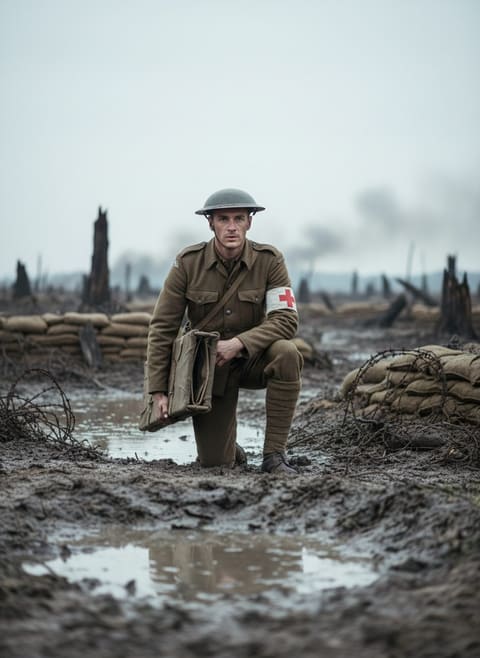
The largest military exercise in British history during peacetime is often forgotten. Yet, its impact echoes through the cautionary tales of global diplomacy.
The Cold Grip of the Fulda Gap
Amidst the tense backdrop of the Cold War, West Germany’s serene, autumnal landscape transformed into a crucible for strategy and preparedness. Nestled between NATO and the Warsaw Pact, the region bordered on perilous vulnerability. Within this drama lay the Fulda Gap—an expanse of fields that could serve as a highway for Soviet tanks charging westward toward the heart of Europe. With its broad valleys and flat terrain, the Gap was reputed as the most likely corridor for a potential Soviet invasion, a thought that haunted NATO planners.
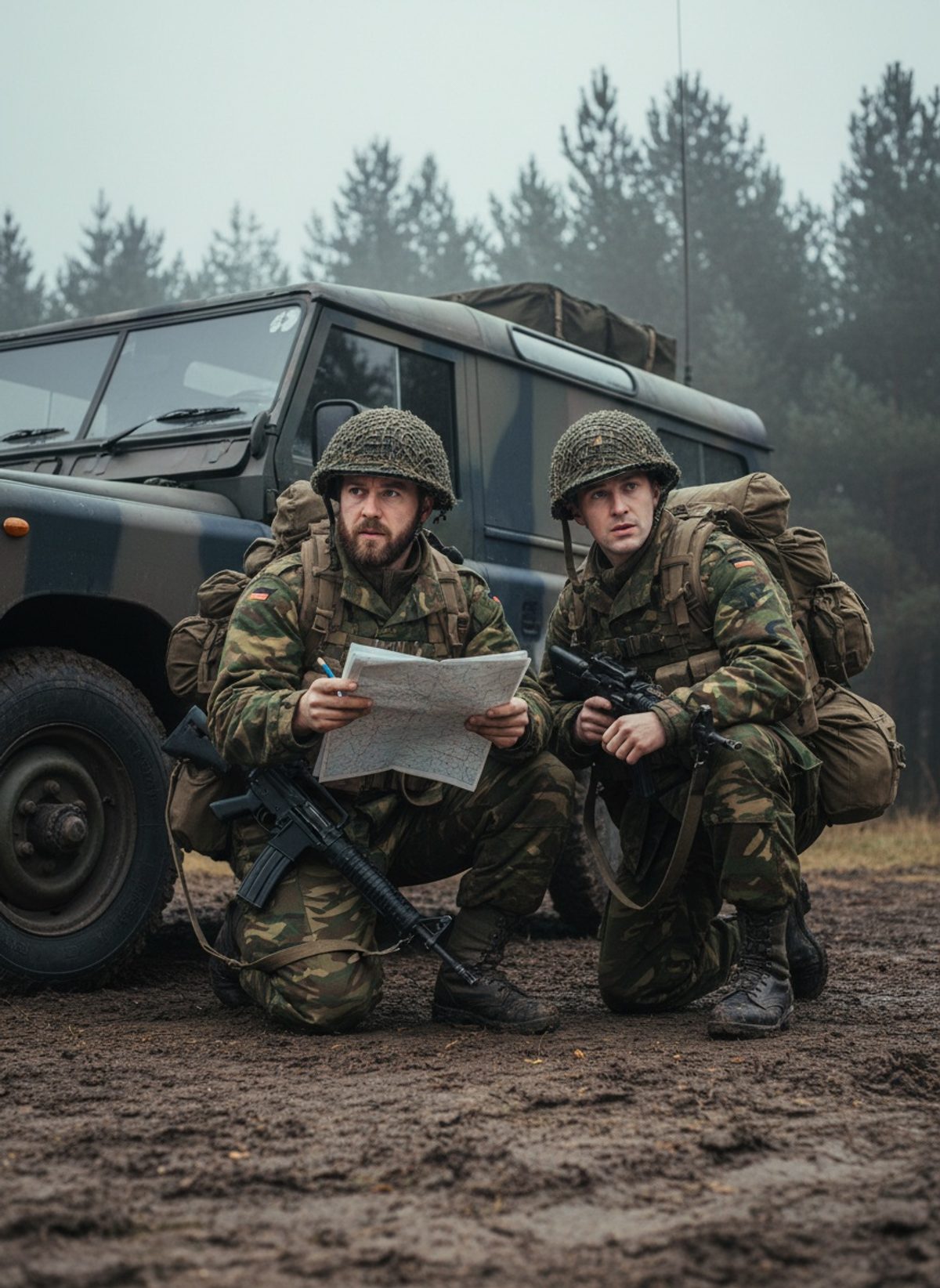
In September 1984, the British Army, joined by NATO allies, launched Exercise Lionheart—a showcase of might and meticulous readiness, unmatched since World War II. The massive mobilization involved 55,000 British troops deploying to West Germany, replicating the full-scale conflict they hoped to deter. Tanks and troops wove through towns and farms, marking their presence not just as a warning to adversaries but a reassurance to allies whose lands they swept across.
Simulating the Storm
Under an overcast sky that threatened rain, the fields of West Germany hosted a parade of military power. Soldiers, eyes sharp with the clarity that only impending threat can inspire, maneuvered vehicles across the landscape. The exercise was no mere drill—it simulated the first fifteen days of a supposed Soviet onslaught, from initial contact to the desperate counterattacks aimed at halting their steel tide.
Read next: The Day a British Nurse Walked Into a Prison Camp Alone
Military precision colored every maneuver. Units darted through a playbook of war-games, executed with the gravity of actual combat. Aerial command post aircraft, buzzing like menacing hornets, coordinated ground elements as Helicopters flitted over like low-flying dragonflies across riverbeds and hillocks, orchestrating mock battles. The roar of jet fighters occasionally disturbed the somber backdrop, crafting a complete symphony of war readiness.
Perhaps the most stirring scenes, however, transpired within man-made tactical operations centers that hummed with the frenetic energy of military plots and counterplots. They were the nerve centers where many high-ranking officers and government officials launched into complex discussions, debating the hypothetical twists of a conflict they sincerely hoped to never meet.
Soldiers in a Game of Shadows
The exercise demanded not only rigorous preparation from battalions but also profound adaptability; it was a demonstration of how failure to anticipate could spell catastrophe. Every soldier stood as a node in a network of defense and deterrence, each contributing to the overarching strategy that was part military and part psychological resilience.
Mud-clad troops braced against the chill of autumn, their spirits bolstered by camaraderie borne of shared duty. Bonds formed under such high stakes had a fortitude that rivals the mightiest armor. Their existence during the exercise unfolded via massive logistical networks insuring every meal, munition, and message arrived seamlessly.
Yet, while their faces bore the streaks of exertive combat practice, their hearts and minds were aligned with the geopolitical realities they represented. Reducing warfare to its components in a peacetime exercise was a luxury laden with the sobering understanding that one day, such simulations could determine the fate of the real Europe.
Read next: The Day a British Stretcher-Bearer Refused an Order to Save Lives
Lessons Written in the Soil
Exercise Lionheart offered a riveting study on the scale of preparation require for modern warfare, and the logistics that so fundamentally underpin it. Troops learned not just from command orders, but from the landscape itself, which became the silent lecturer in lessons of tactical advantage and vulnerabilities.
That landscape bore silent witness to the high costs involved in such a display of preparedness. Farmers watched fields churned under the weight of armored legions while townspeople peered curiously at columns of men and metal, their involvement a poignant reminder of the intrusion of large-scale military exercises in the lives of local citizens. Meanwhile, the psychological impact was not lost on the leadership—they understood these exercises as a choreographed display intended as a deterrent to any Soviet hopes of advancement.
An Echo of an Era
With the Cold War’s thaw long past us, the tale of Exercise Lionheart stands as an echo of an era wherein potential conflict was a real and terrifying illusion. The massive undertaking of military preparedness exemplified how Britain and NATO would cast shadows against the specter of war. Yet, in today's context of revisiting old alliances and emerging threats, one wonders how the lessons of 1984's vast rehearsal resonate with modern defense challenges.
The exercise left an indelible mark on history as a symbol of the lengths the free world would go to guard against aggression—a narrative less about brute power and more about the choreography of peace. Across the terrain of West Germany, amidst the wreckage of practiced battles, lay teachings for future generations about the ever-present price of vigilance in the quest for stability and security.