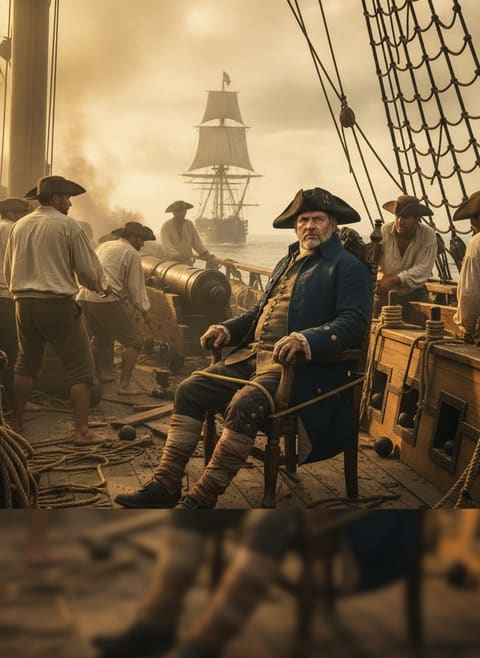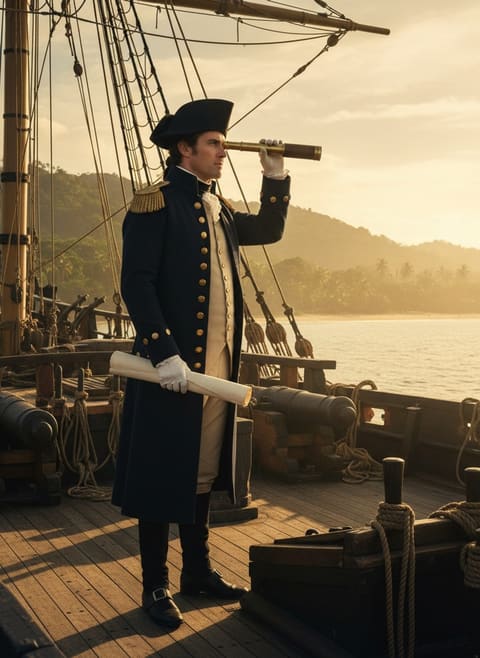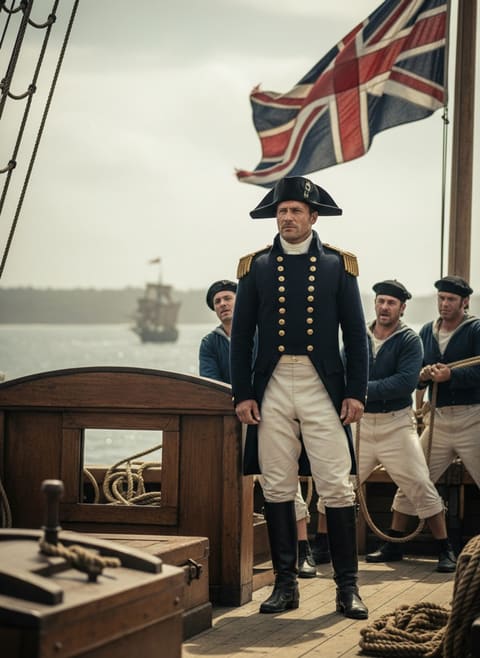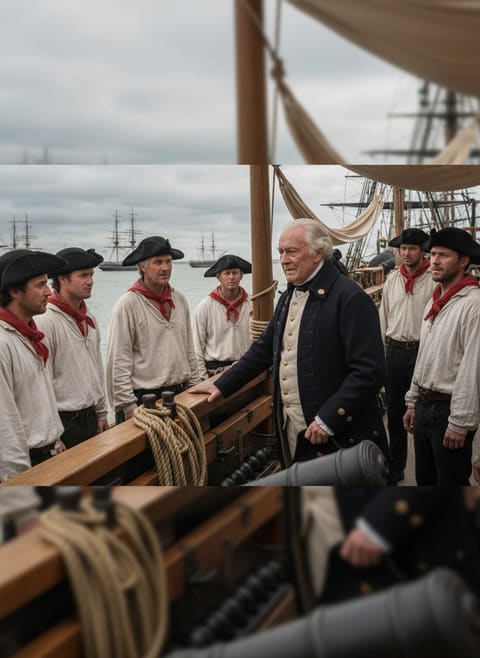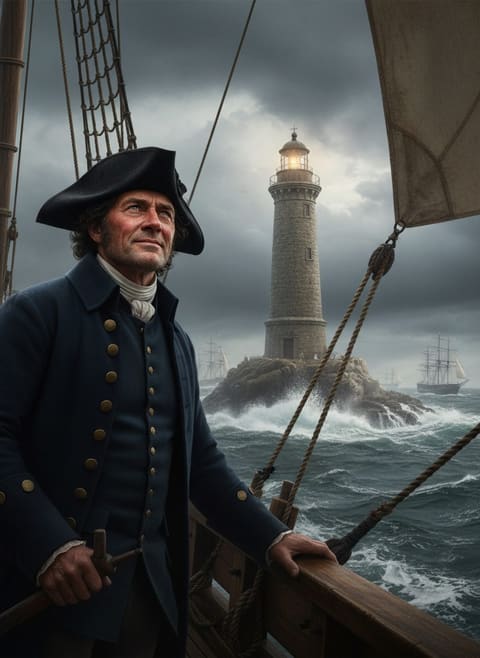
Admiral Horatio Nelson stood just five-foot-four. Yet he towered over the annals of naval history. This is not just due to his victories but also for the haunting journey of his flagship, HMS Victory, after Britain’s momentous triumph at the Battle of Trafalgar. As England's shores came into view on a somber day in November 1805, a vessel carrying a nation’s hope and its fallen hero presented a tale of valor and sacrifice, like none other.
The Battle That Sealed His Fate
The Battle of Trafalgar, fought on the 21st of October, 1805, stands as Britain’s formidable naval engagement during the Napoleonic Wars. Victory was not merely a matter of supremacy at sea; it was a shield against impending invasion by Napoleon's forces. Nelson, commander of the fleet, orchestrated the attack plan that saw the Royal Navy decisively defeat a combined French and Spanish armada.
But victory came at a steep cost. As gunfire echoed across churning waves, a French sniper altered the course of history. A bullet struck Nelson, catapulting him from a tactical genius to a symbol of ultimate sacrifice. Below decks, with life ebbing away, his thoughts lingered on a singular wish—to be remembered by his countrymen. It was a wish that would fuel an extraordinary homeward journey aboard his beloved Victory.
The Grim Voyage Home
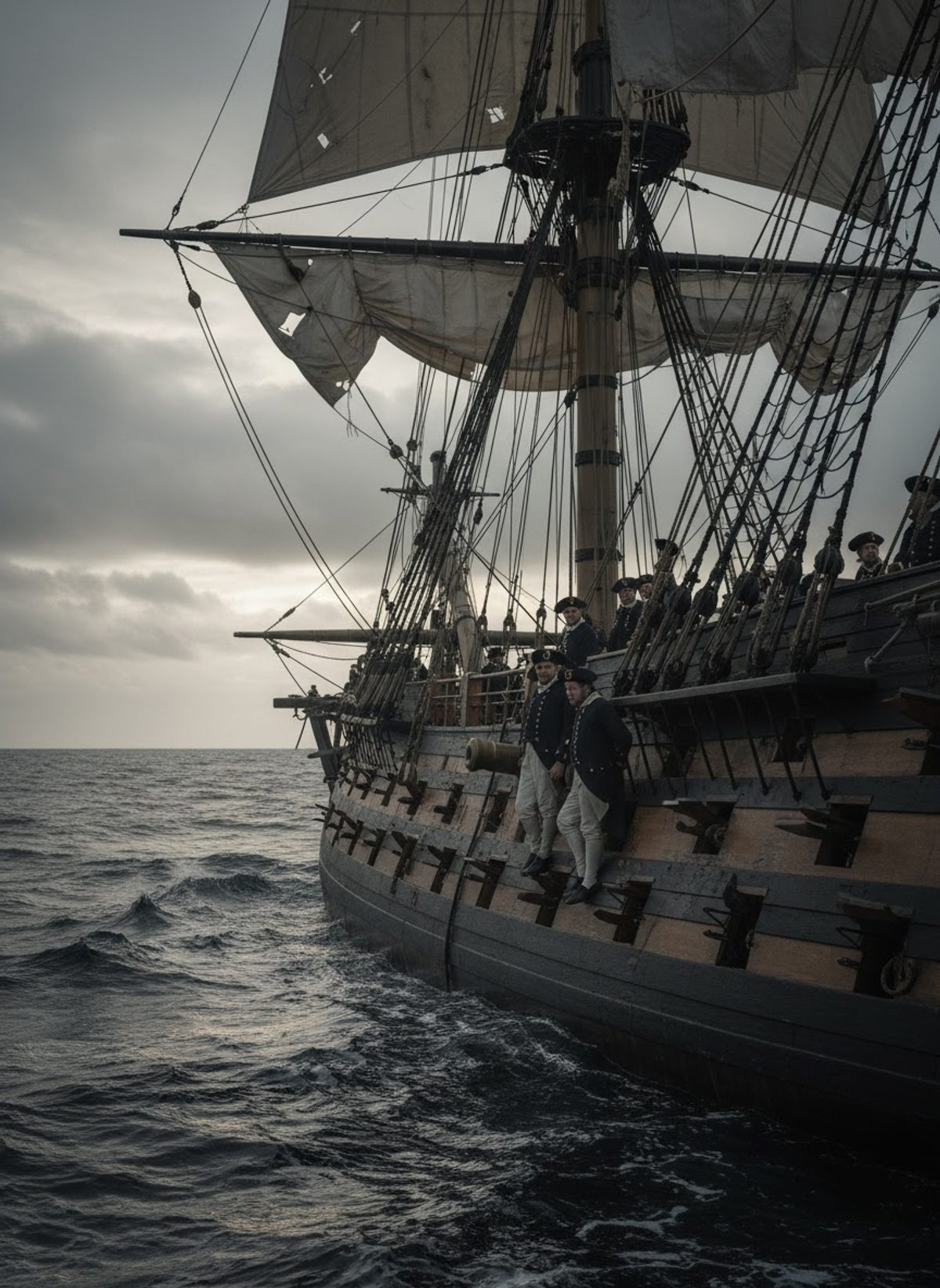
Tasked now with a new and solemn burden, HMS Victory turned away from the carnage towards the safe harbors of England. Nelson's body, preserved in a cask of brandy as makeshift embalming, slumbered below as seawater lashed the ship’s battered hull. The voyage itself was fraught with perils: the Atlantic winter was unsettled, and under repair shrouds groaned beneath gusty squalls.
Read next: The 2,000 Sailors Britain Sent to Die Hunting the Slave Trade
Yet, the mission transcended mere transport. The Victory was carrying more than just its legendary figurehead. It bore the weight of a nation’s gratitude—each crewman acutely aware of their custodianship of history. Beyond their personal grief, they navigated treacherous waters, all in reverence of the legacy they ferried.
Maritime Challenges and Cannons of Silence
The return was not without maritime quandaries. Repairs on open seas under unstable weather presented its challenges. But trepidation’s whispers were overwhelmed by the echoing respect of Nelson's last request: to be brought home. Silence reigned where noise once punctuated—out of respect, perhaps, but also due to the crew’s solemn determination to steady their vessel through international waters.
Traditionally, a military victory meant the thunder of salutes. But this procession was marked by a different soundscape. Not a single cannon fired as Portsmouth approached, nor a shouted command beyond what was strictly necessary. It was as though the sea itself held its breath as Victory cut through the surf, respectful of the man who had conquered its vastness for Britain's safety.
Arrival in Portsmouth: A Nation in Mourning
By the 28th of November, word had spread. Crowds thronged the shores, yearning for a glimpse of the vessel that cradled their greatest hero. Victory sailed into Portsmouth soundless except for the mournful murmur of the crowd, which only grew louder, swelling with grief and pride in equal measure.
Read next: The Navy Man Who Sailed Into Algiers and Freed 1,000 Slaves
In the days following, Nelson's body was transferred ashore. Scenes of mourning unfurled across Britain like storm clouds. Public memorials were held, and men who had never met him shed tears as if they had lost a dear acquaintance. In cities and villages alike, Nelson's sacrifice was honored—not merely for the battle won but for the steadfast hope he bequeathed a nation on the brink.
The Beacon of Nelson’s Legacy
To this day, Nelson’s journey home on HMS Victory remains a powerful testament to duty. Britain's gratitude didn't banish loss but amplified the legacy he left behind—something tangibly mourned and celebrated in every brick of Trafalgar Square and every ship that followed in Victory's wake.
Nelson asked to be remembered and Britain obliged, not just in monuments, but in the undying maritime spirit of the age that followed. He laid down his life with the silent assurance that the tides of history were securely anchored against tyranny. In an era often shrouded by distance and time, HMS Victory’s voyage remains a vivid reflection of valor—a journey from battle to resting place, that echoes through history's waters still.