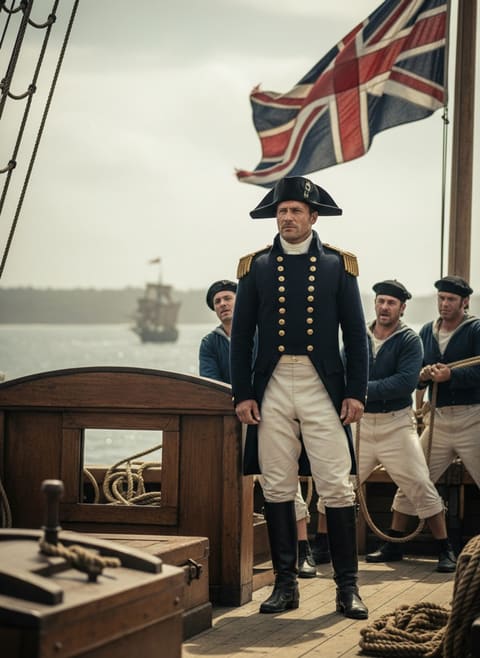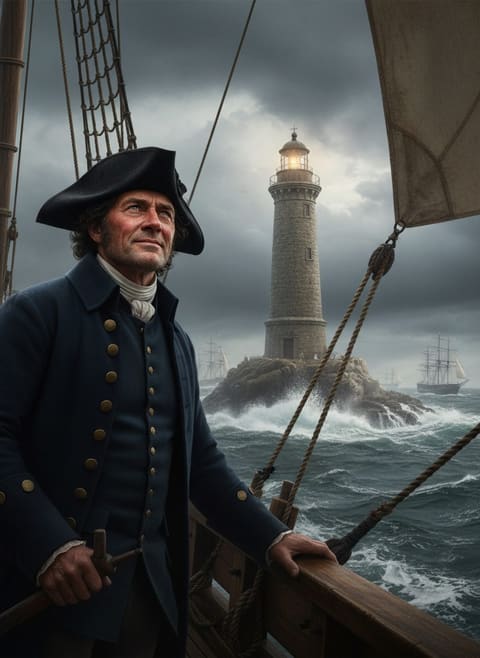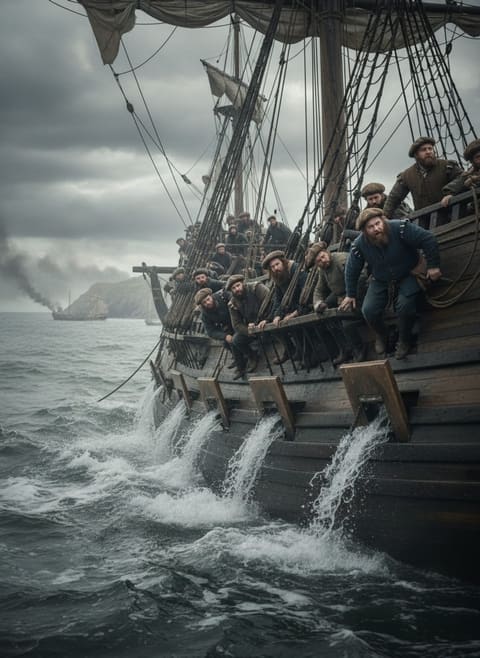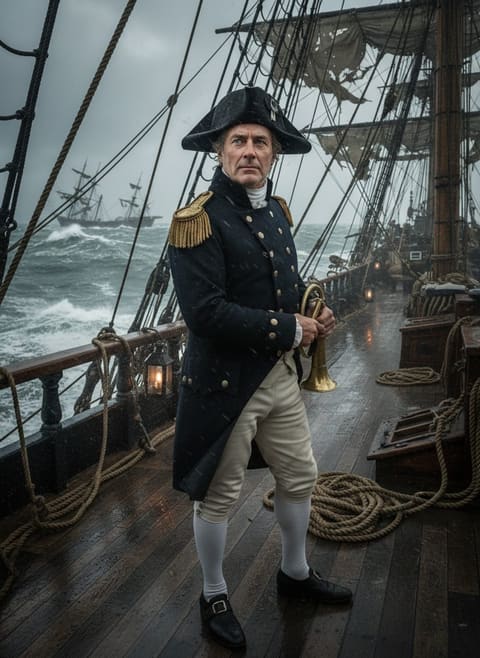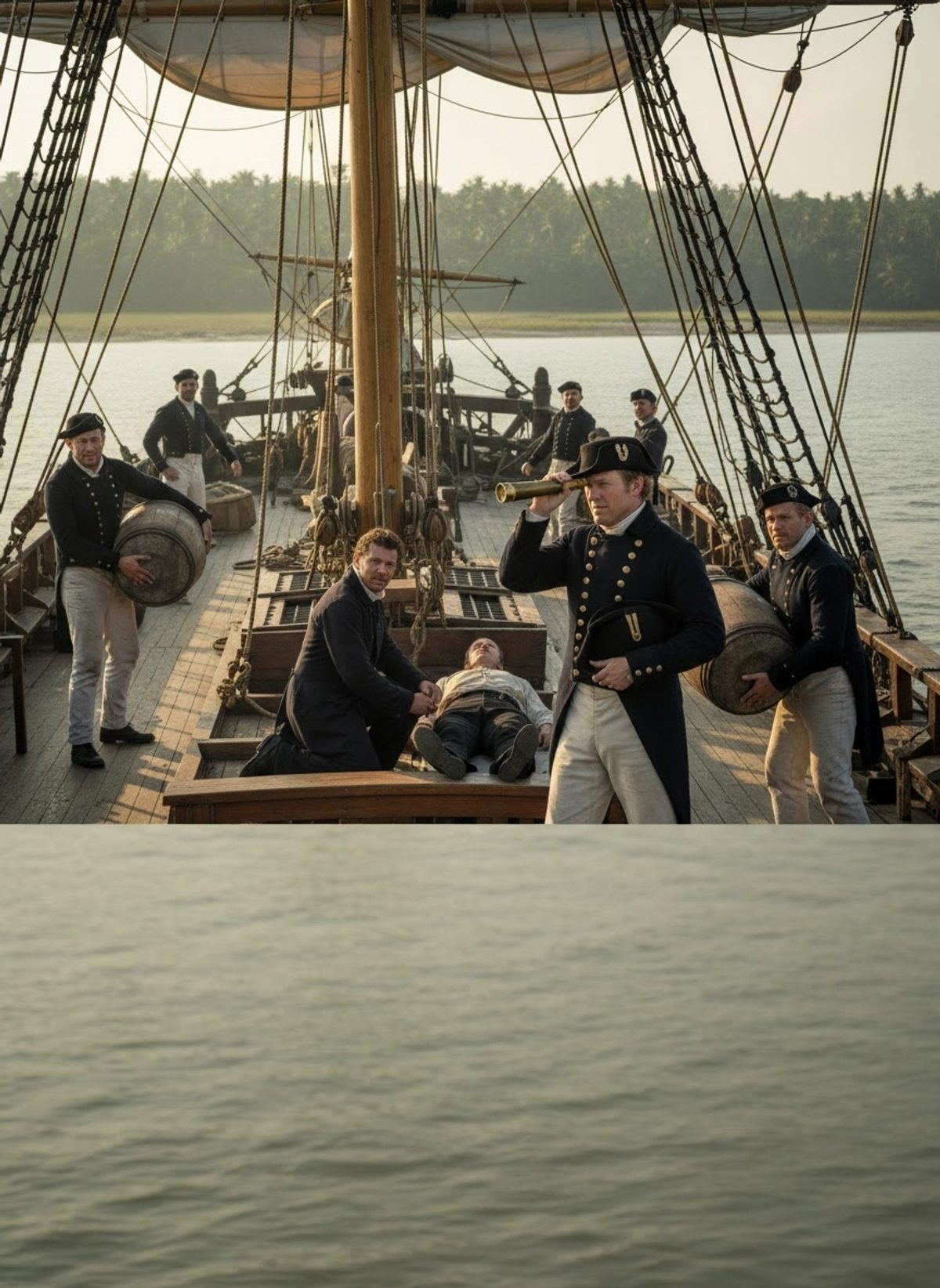
The unforgiving heat bear down as the deck of the HMS Daphne swayed beneath Lieutenant James' feet. Sweat trickled down his brow, and he could taste the salt in the soupy air while he scanned the horizon for sails. Each lookout was a step into uncertainty, a chase across waters that seemed to endlessly promise death.
The tropical humidity clung to their skin, an invisible enemy more lethal than the muskets they carried. This was the West African coast, evocatively nicknamed the White Man's Grave, where over half a century, Britain would lose thousands of sailors to this dispatch for human dignity.
The Long Hunt for Freedom
With the passing of the Slave Trade Act in 1807, Britain made a decisive stand against a trade that had profited its coffers for centuries. Yet, the end of legal recognition did not halt the lucrative and illicit business that continued to thrive.
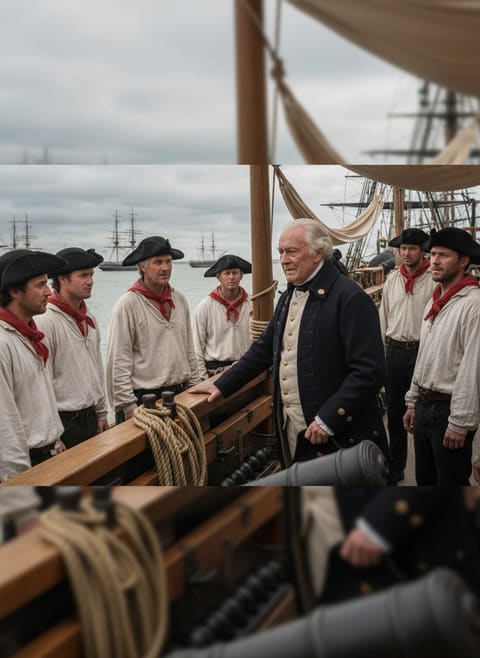
To enforce its ban, the British Parliament dispatched the Royal Navy's West Africa Squadron with orders to intercept slave ships bound largely for the Americas. The squadron envisioned itself as a hammer of moral justice riding on waves of righteousness. But this effort was not merely strategic; it sought to cast a light upon the moral darkness that shrouded these passages.
Read next: The Day Admiral Benbow Refused to Strike His Flag
Operating along a coastline stretching from Senegal to Angola, these sailors faced adversities other than human: the relentless tropical fevers claimed more lives than skirmishes.
Malaria and yellow fever decimated ranks with a regularity that became sinister lore among the men who returned to Britain's shores after their service, ghosts among the living. It became an accepted peril: dying for human souls freed you like a swift execution by climate rather than by combat. The West Africa Squadron was more attuned to moral victories counted in lives saved than flags captured.
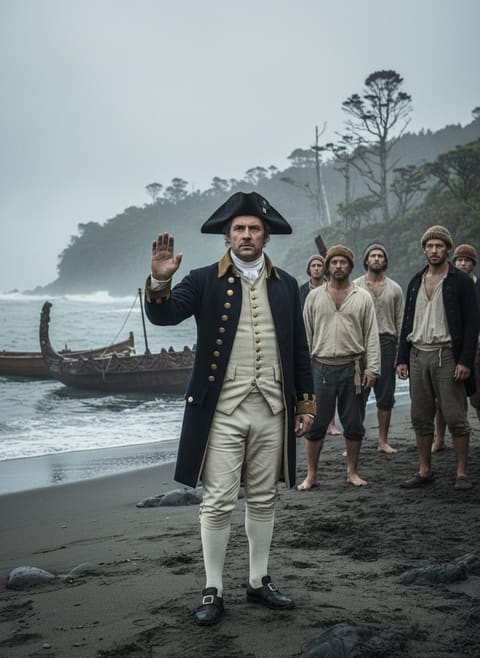
Their mission extended beyond the plain mechanics of naval engagements. Once a slave ship was captured, the rescued individuals required safety and a means to rebuild shattered lives. Many landed in Freetown, Sierra Leone, a sanctuary of sorts, a city that grew from a trickle to a populated hub of liberation for emancipated slaves. These settlements would become thriving testaments to humanity's endurance and a testament to the dedication of naval forces who gave their lives to ferry these hopes.
Fevered Fortitude
One in five — a gruesome statistic painting the reality of life aboard a ship of the West Africa Squadron. Men who braved the fatal coastlines, watched as the fevered affliction spread through quarters, often felt the creeping certainty of their own end. It was a different kind of battle for these sailors; not the glory-splattered kind imagined in heroic tales. The spectre of disease prowled wordlessly in the humid air.
Efforts to steel themselves physically against this invisible enemy often proved futile. Medical understanding of the time scarcely grasped the transmission of malaria and its detractors. Treatment was rudimentary and commonly ineffective, with fever outbreaks causing whole crews to be quarantined for burial at sea. Surviving sailors carried with them an unshakeable pallor, as if shadows of their deceased comrades emerged on their skin like a tattoo of scar tissue.
For decades, the West Africa Squadron experimented with varying strategies to combat this epidemic of disease. Experimentation in medicinal potions and practices slowly crept toward science, employing trial-and-error. Quinine, extracted from the bark of South American trees, would eventually prove effective against malaria. Despite such advances, the squadron remained perpetually understaffed as the mortal toll exacted demanded ever more volunteers steeled with resolve and soul.
On Unerring Missions
The fifty-nine years of tireless endeavor were not without tangible achievement. By one count, the West Africa Squadron captured around 1,600 ships and freed more than 150,000 captive men, women, and children. This was the deadliest humanitarian effort conducted by a naval force in human history, etched at a great personal cost.
Read next: The 22 Countries Britain Never Reached — And Why
To honor these accomplishments, each soul saved represented more than a rescue; it was an acknowledgment of shared humanity. Crews of these ships bore witness to unimaginable cruelty, only to leverage their sail to unlock the chains of injustice that begged for atonement. The voyages are best remembered not for feats of heroism in the face of armed adversaries but in the quiet dignity of every freed captive who stepped back onto African soil.
In a profound twist of irony, these voyages to fight the end of slavery became a modern form of servitude themselves — servitude toward empathy, toward justice. It bound naval men to the human linkage they liberated, ensnared them in the contagious momentum of moral duty. As the 19th century gave way to new conflicts and ideas, these efforts served as the unwritten prelude to England's complex grappling with its imperial past.
The story of the West Africa Squadron, shrouded in the feverish spectre of mortality, is a testament not only to the harrowing price of humanitarian custody but to the courage of belief in fundamental human freedoms. In their commitment, these sailors articulated a silent tribute to the human spirit's capacity to endure not because it must, but because it should.
While the graveyard seas hold fast their sailors' bones, their legacy dances with every gust across the open waters. It reminds us that sometimes the greatest battles lie not upon the swords you carry, but within the ambitions that chart your course.