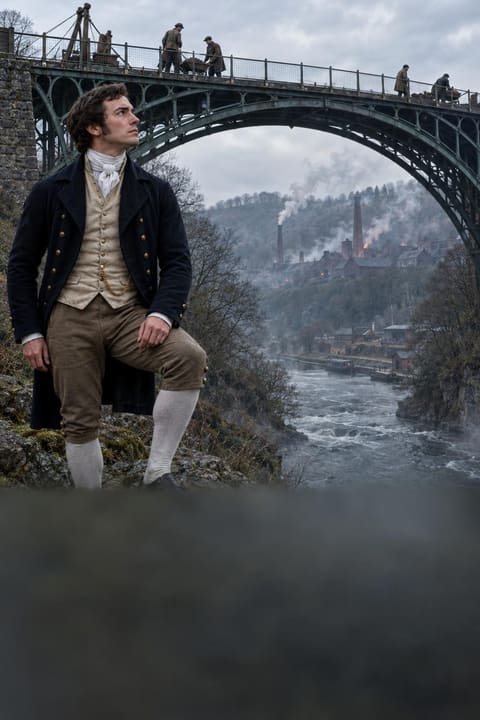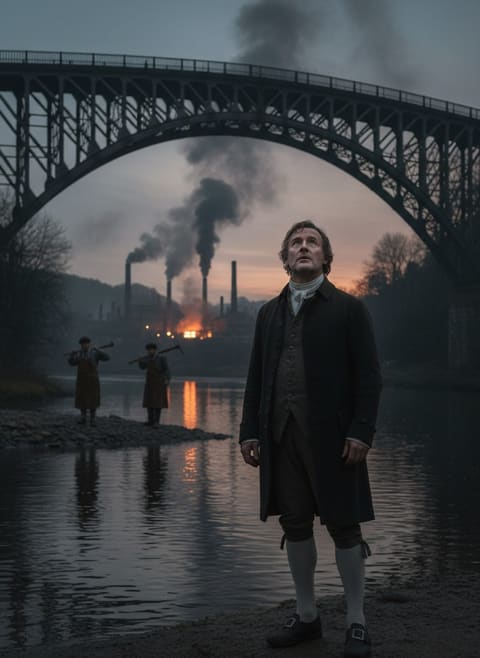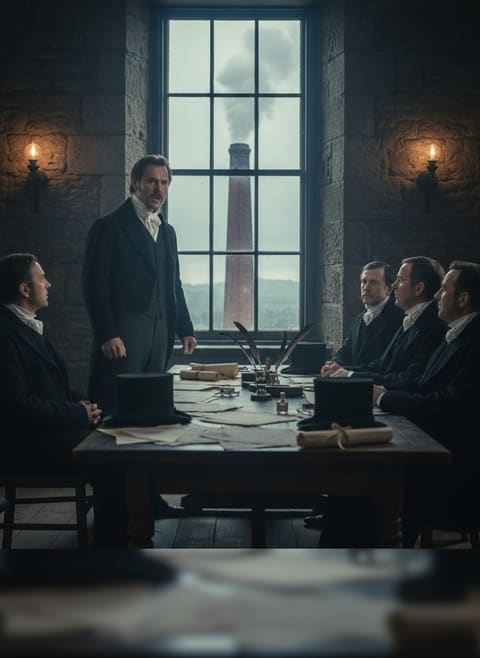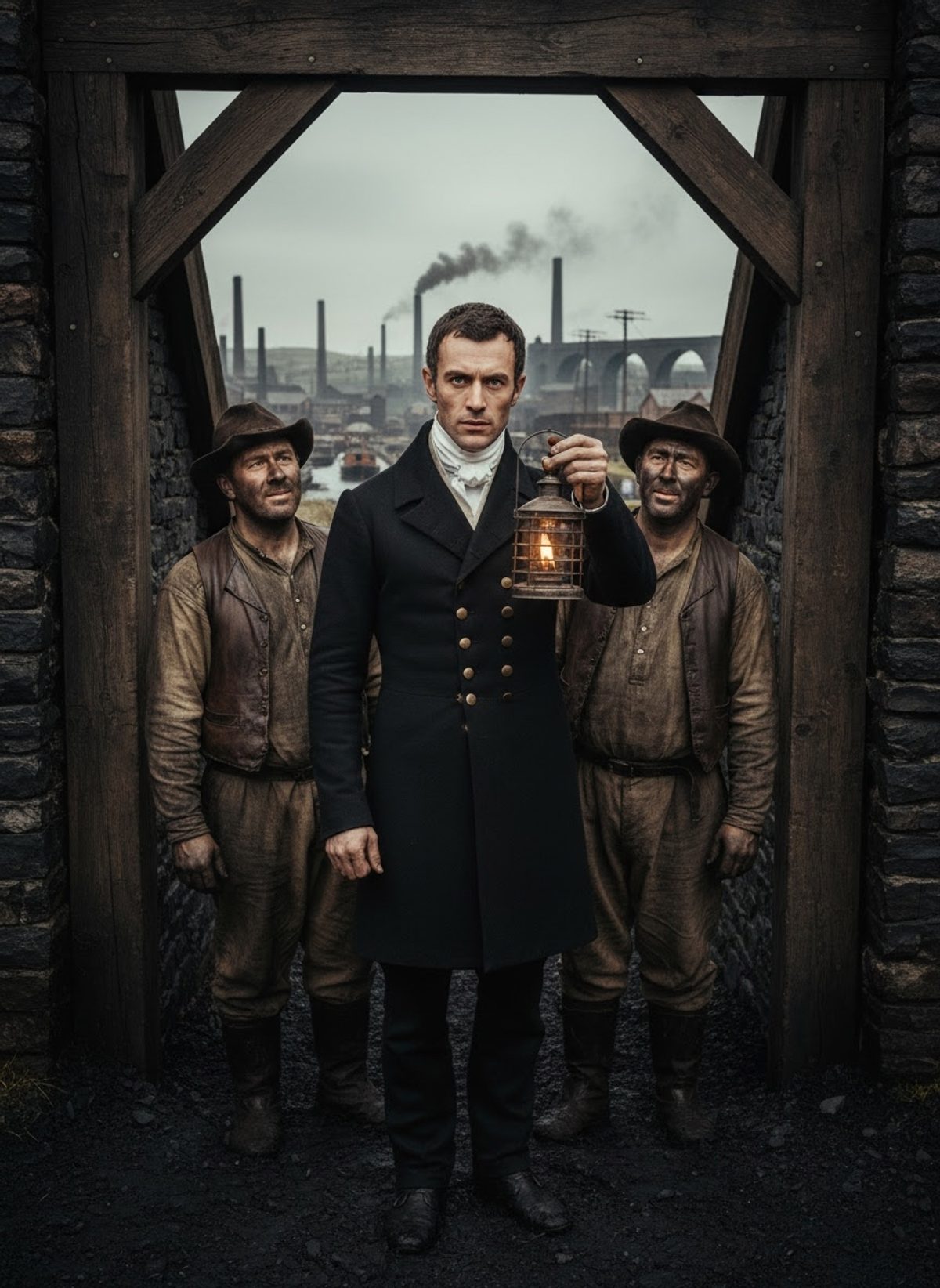
Humphry Davy was not a miner, nor an engineer, but a chemist with an unyielding curiosity. He was a man of research, experimentation, and accolades. Yet, it was his encounter with the dark bowels of Britain's coal mines that forged his legacy.
Into the Shadows
Britain's industrial heart in the early 19th century pulsed with coal. Mines stretched deep beneath the earth, providing fuel for burgeoning factories and homes basking in newfound warmth. But beneath this progress lay a ghastly threat.
Mines teemed with volatile gases, known as "firedamp," mostly methane, which could ignite with terrifying devastation at the stray flicker of a candle. Miners, armed with little more than a simple flame, wandered these dark abysses, aware that at any moment the hammer of fate could strike.
As stories of tragic explosions filtered into the upper echelons of society, ministers and magnates sought solutions. Enter Humphry Davy, a prodigious figure already known for ground-breaking work in electrochemistry and the isolation of elements such as sodium and potassium. The Royal Society commissioned him to tackle one of the era's most dangerous jobs: devising a light that would not birth catastrophe. Davy, ever the luminary, greeted the challenge with tenacity and caution.
Read next: The Night Josiah Wedgwood Smashed His Own Finest Pot
Utilizing his keen understanding of chemical reactions and a resourceful approach to experimentation, he embarked on what would become a life-saving quest. He hypothesized that enclosing a flame within a fine mesh could prevent the flame from interacting with the surrounding gas, thus averting an explosion. The concept was simple yet daring—to safeguard the miners, one must cage the light.
The Light that Lived
In the short span of weeks, fueled by the urgency of saving lives, Davy meticulously crafted his prototype. He had observed how small flames could be extinguished without igniting surrounding gas if they were contained properly. Unlike the potent grandeur of his chemical experiments, this was an exercise in restraint.
He encased the flame in a metal gauze, a barrier that displayed genius in its simplicity. The mesh allowed air to reach the flame without letting the heat or flame escape to ignite the deadly gases outside.
To test his invention, Davy ventured to the frontlines of danger—the gas-filled mines themselves. This was not the polished conduct of an academic lecture; it was gritty, perilous, and real. Wreathed in darkness and the oppressive weight of earth, Davy and his caged flame stood as much a battle of science against the unknown as it was against the elements.
That day, as he lowered the lamp into the gas-laden depths, it held fast. The flame flickered innocently within its metallic cradle, casting light without destruction. Davy had done it. He had crafted a beacon of hope amidst the shadows.
The lamp was swiftly adopted by mining communities across Britain, hailed as a miraculous reprieve from the lethal uncertainties of the mines. Thousands of lives that had once trembled before the tallow candle's threat were sheltered by Davy's invention. It was an act of compassion as much as genius—an evolution of light itself, tailored to the needs of those who labored in the dust and danger below.
Read next: The Night a Scots Engineer Lit the World's First Gas Street
Illumination and Its Reverberations
Davy's lamp was more than a marvel of chemistry; it was a symbol of transformative human ingenuity. Across Britain's coalfields, the miner's world changed. The Davy lamp offered not just safety but a new understanding of science's role in everyday life—bridging the chasm between discovery and its beating heart in the lives of ordinary people.
The simplicity of Davy's mesh design belied the profound paradigm shift it heralded. It underscored the necessity of applying scientific insight to practical problems, encouraging an approach that would resonate throughout the endeavors of the Industrial Revolution and beyond. The miners, once silhouettes of vulnerability, now went to their work buoyed by a glow shielded from disaster.
Yet, the story of the Davy lamp isn't simply one of triumph. Amidst acclaim, an air of rivalry persisted. Davy's design was contemporaneously mirrored by George Stephenson’s similar invention. Such contest spurred further advancements and debates, sparking broader discussions on intellectual property and the collaboration between science and industry.
Ultimately, Humphry Davy's legacy is etched into the illuminated walls of history not just as the man who gave miners a non-lethal light, but as a beacon himself—a reminder of science's power to pierce the gloom and transform the world it touches. It’s a tale that rings through the annals of time, reminding us that the flame of innovation, though it may flicker, can indeed change the course of human lives when carefully cradled in understanding and empathy.