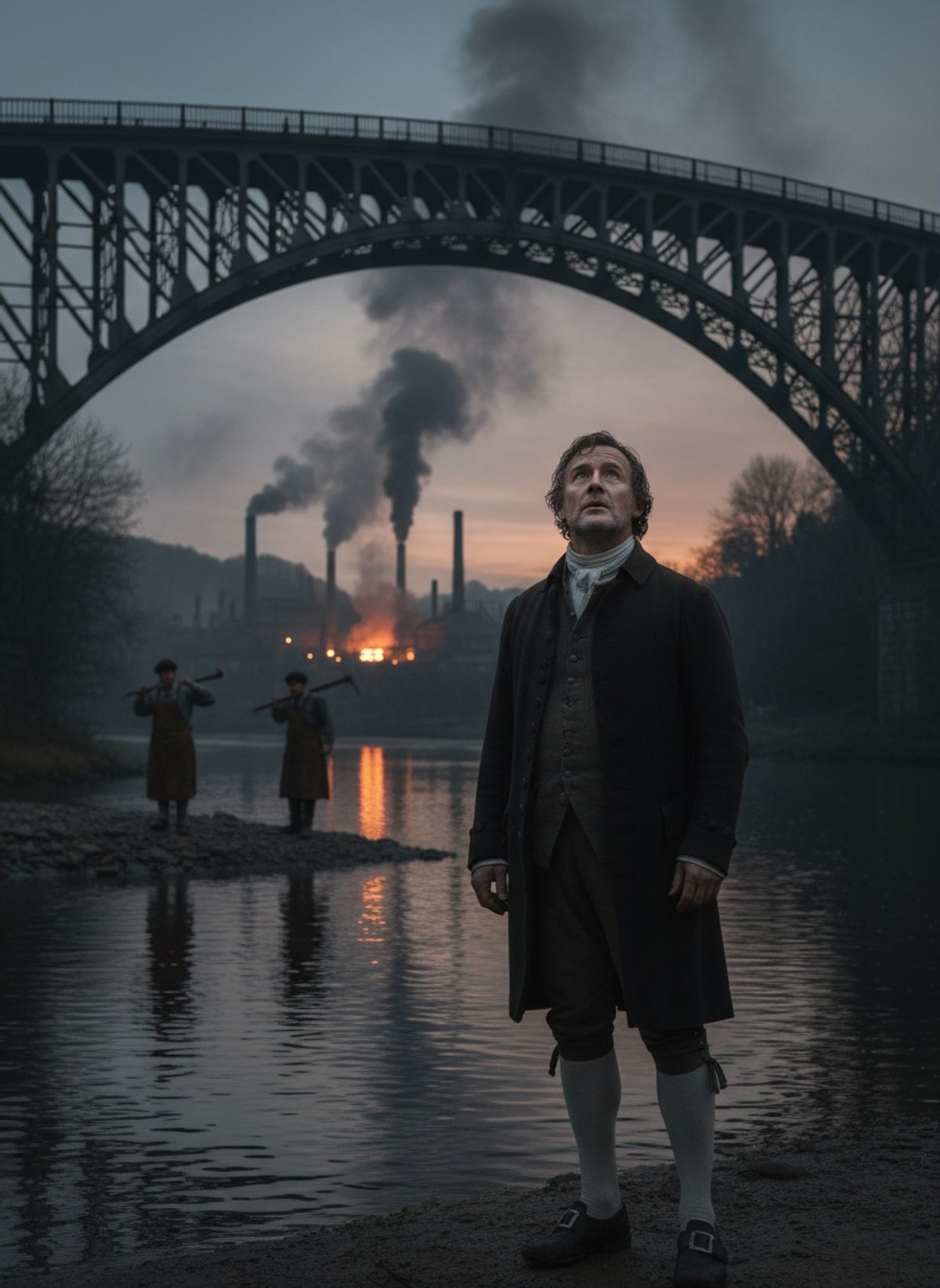
He was only twenty years old. Yet, Abraham Darby III would soon defy centuries of building tradition with a bold stroke that reshaped Britain's landscape forever.
The Unlikely Visionary
Born into a dynasty of pioneering ironmasters, Abraham Darby III was a young prodigy thrust into leadership at an age when most were only forging their initial paths. His family had long been associated with innovation in the use of coke for smelting iron, a practice revolutionized by his grandfather. However, it was Abraham Darby III who took this legacy to its zenith by dreaming even bigger: he envisioned a bridge cast entirely from the molten heart of the earth.
Though iron bridges are commonplace today, the very idea of using iron as a structural element at the time bordered on heretical for most engineers. Wood and stone had held dominion over bridge construction for millennia. Yet, with a growing understanding of metallurgy and an increasing demand for durable infrastructure, Darby's vision was one of foresight and courage. He saw not just a bridge but the heralding of a new industrial world.
The Gorge That Sealed Fate
The River Severn is no gentle brook meandering through the countryside. It is mercurial, its currents swift and powerful, with banks that are steep and sometimes treacherous. For centuries, its crossing was fraught with danger and difficulty, a gap as much in commerce as in geography.
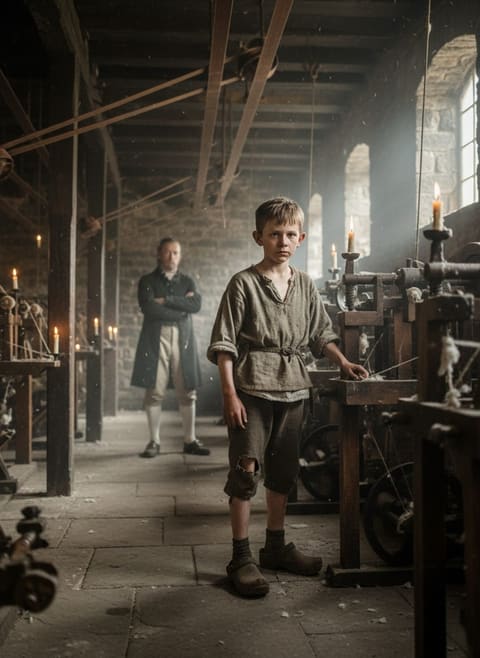
Read next: The Day a Mill Boy Stood Up and Stopped a Machine
The Ironbridge Gorge, where Darby proposed his audacious project, was already important for industry—here the Industrial Revolution was but a breath away. In this setting, the bridge would not just be a practical necessity but a profound symbol of the convergence between ambition and innovation. To pour iron into a river, to shape it, was a move both radical and eloquent in intent, akin to commissioning a great temple in celebration of human progress.
Constructing Ideas
The process was as revolutionary as the concept. Darby employed his knowledge of carpentry, fitting iron to iron as a master craftsman would fine woods, eschewing bolts and mortar. The technique was not just a necessity due to lacking alternatives but a leap in creative engineering. Laborers assembled the immense structure like some colossal puzzle, with each piece measured and shaped to connect seamlessly with its neighbor.
The Iron Bridge, composed of some 378 tonnes of cast iron, gradually took form—a leviathan that would bestride the waters, bringing together not just townsfolk but the dreams of a nation. When it finally opened in 1781, it was not just the culmination of meticulous planning but a profound moment when theory met reality. Like awestruck pilgrims before a monumental statue of antiquity, engineers came to witness its birth and wept.
A New World's Dawn
Opening this iron span across the Severn robbed the naysayers of their cynicism and left many in awe. The victory was not Darby’s alone; it belonged to a Britain poised on the brink of transformation. The bridge became an arterial route for trade and travel, turning the adjacent valley into an industrial hub. This was not mere emblematic of change in methods of crossing but heralded a shift in how humanity approached the very fabric of making.
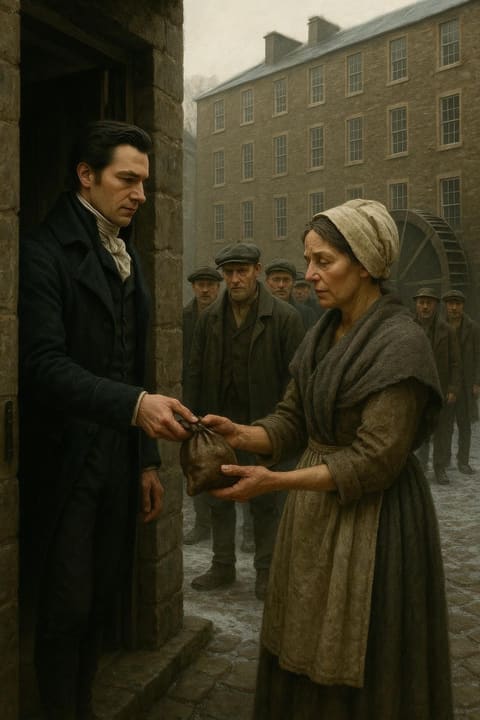
Read next: The Day a Weaver's Son Gave Factory Children a Voice
The structures that followed borrowed its principles, leading to a rapid expansion in the capabilities and daring of engineers and builders. Like a keen edge carving through time, the bridge drove home the feasibility and utility of iron architecture. Britain's industrial engine began its rhythmic score with a newfound ferocity, echoing through the stark hills and across the world.
Bridging the Ages
If there is a singular icon of the Industrial Revolution, it rests not only upon parchment and treaties or in chronicles and artifacts preserved. It resonates within the silent ironbones of Darby's bridge, a witness in metal to the power of young ambition and innovative daring. In crossing it, one does not just span the Severn; they traverse the breadth of history from an agrarian past into the machine-driven present.
As we reflect on this iron giant that still stands to this day, it serves a larger reminder that when faced with the brink of possibility, bold decisions can forever alter the course of history. Its rivulets of molten iron were not drawn merely to bridge space, but time, connecting us ever forward with the unstoppable force of human progress.