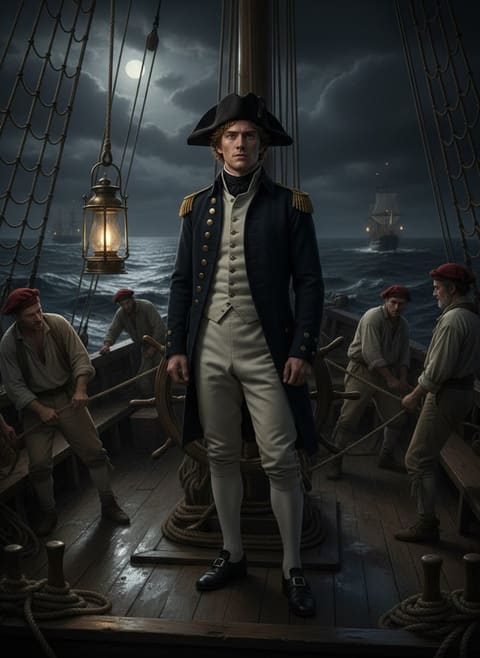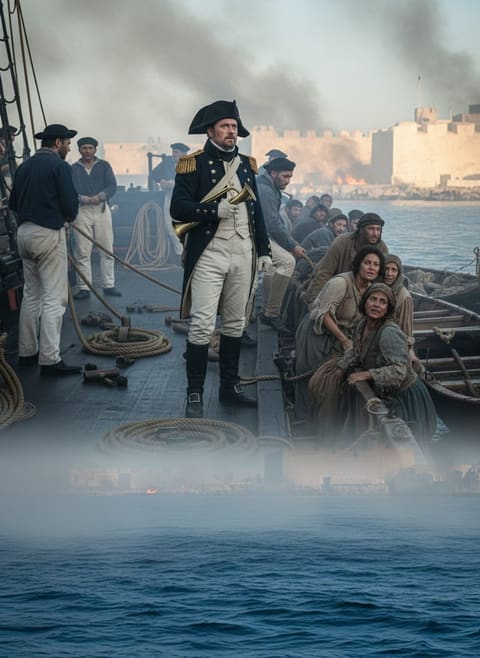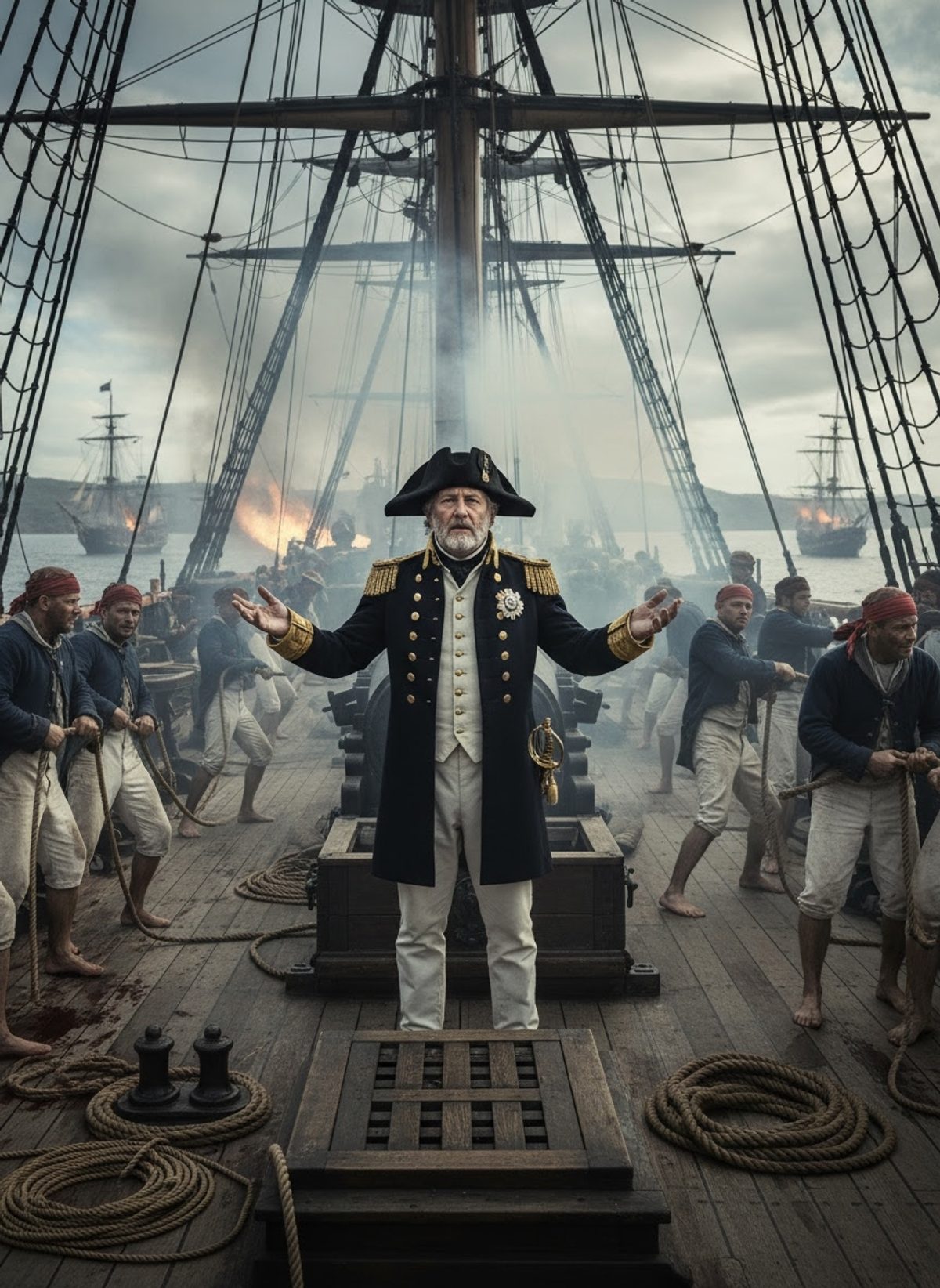
Admiral Edward Codrington was told to hold his fire. But plans change in the chaos of battle.
Into the Lion's Den
The Gulf of Navarino lay asleep under the October sun in 1827, carrying the shimmering fleet of the mighty Ottoman Empire. Rows upon rows of ships, with flags fluttering in the Mediterranean breeze, created an imposing tapestry of military power.
Codrington entered this bay, not from a place of strength, but with orders cautiously skirting around outright aggression. His orders were clear: intimidate the Ottomans with the presence of the British navy, French and Russian allies standing in support, but do not engage in battle.
Wedged between the complex politics of the Greek War of Independence, Codrington faced more than mere naval command. His task was to enforce a peace treaty by demonstration alone—a tall order with calm tensions cloaking the air like a mist ready to dissipate at a spark.
Read next: The Tanker That Could Not Sink and Would Not Stop
Yet beneath the seeming tranquility, anticipation simmered on all sides. The bay's tight confines meant that any maneuver could be interpreted as an act of aggression, with the historical rivalry echoing through the sails and riggings.
Imagine the challenge. Codrington, a steely veteran of blockades and engagements, navigating not just his flagship but the shifting winds of diplomacy. The sight of the anchored Ottomans, armed and ostensibly immovable, was a living tableau of strategic chess. But with cannon-laden hulls delicately bobbing on salt-kissed water, the air tangibly thickened with potential.
A single gunshot shattered the poised balance. It may have been a nervous Ottoman gunner or a misunderstood signal. Whoever fired, the result was immediate and irreversible. Tension became combat. Codrington’s mind raced through decades of naval wisdom. To act or not meant choosing between what was ordered and what was required.
The Crescendo of Conflict
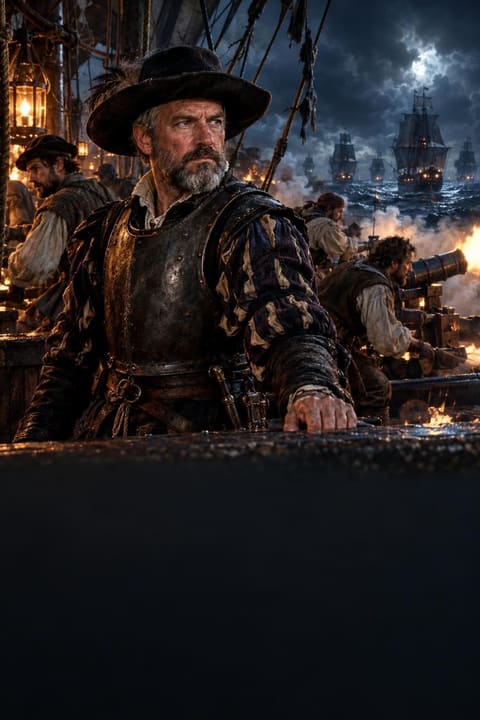
As Codrington gave the order to engage, the orderly choreography of intimidation turned into a chaotic ballet of war. Within the confines of the bay, ships swung on their anchors, sails furled and unfurled to catch the rebellious winds. This was no mere historical skirmish. Navarino became a calamitous theatre of firepower where wooden walls shuddered under the fury of broadsides.
The crescendo of cannon fire rang through the clouds, leading to thunderous echoes across the Ionian Sea. British ships, under the bright-reflecting sun, suddenly became vocal emissaries of a new geopolitical reality. Allies in the form of French and Russian fleets unleashed their own salvos, creating a triadic partnership of explosive might against the outnumbered Ottomans.
Four harrowing hours sprawled across the afternoon, an eternity engraved in gun smoke and frenzied commands. And there, Codrington's legacy was cast not in iron or wood or steel, but in judgment. The waters turned ashen with debris, and rivulets of seawater carried the flotilla’s fragmentary evidence of battle.
And still, his pilots who guided into lightning zones of crossfire showed nothing but the sturdiest resolve amid the cacophony. Not merely commanders of vessels, but arbiters traversing the challenging bridge between strategic intimidation and, now, all-out warfare. Codrington, unwillingly, decisively, had etched his name into the annals of history as the last great battle admiral of the Age of Sail.
Read next: The Night HMS Victory Limped Home Carrying Her Dead Admiral
The End of an Era
The battleground at Navarino was left cloaked in devastation. The Ottoman fleet, once a formidable symbol of power, lay broken with shattered masts and sinking hulks. The victory, though unplanned, shaped more than immediate perceptions. It heralded a seismic shift in naval warfare, emphasizing steam power and modern armaments over the venerable tradition of sailing ships and cannonballs.
This dramatic engagement foreshadowed changes; smoke-filled skies would no longer hover above handcrafted wooden behemoths but rather iron-clad vessels fueled by steam's inexorable force. Codrington steered not just through physical waters, but through the transformational tides marking the close of centuries-long maritime customs.
In the resulting reverberations, the geopolitical landscape shifted. Greek independence gained ground, and European powers could see reflections of their naval futures in the mirrored surface of battle-stained seas. This legacy, unplanned yet not unwelcome, became indelibly linked to a single moment's impetuous gunshot.
Today, the story of Codrington at Navarino echoes as a potent reminder of the complexities of leadership and the unpredictable nature of military command. His split-second decisions in the fog of war echo across time, illustrating how the weight of history often rides upon the slender shoulders of human judgment. At Navarino, he answered the call not of cannon fire, but of courage—resonating long into our contemplation of the past and future alike.