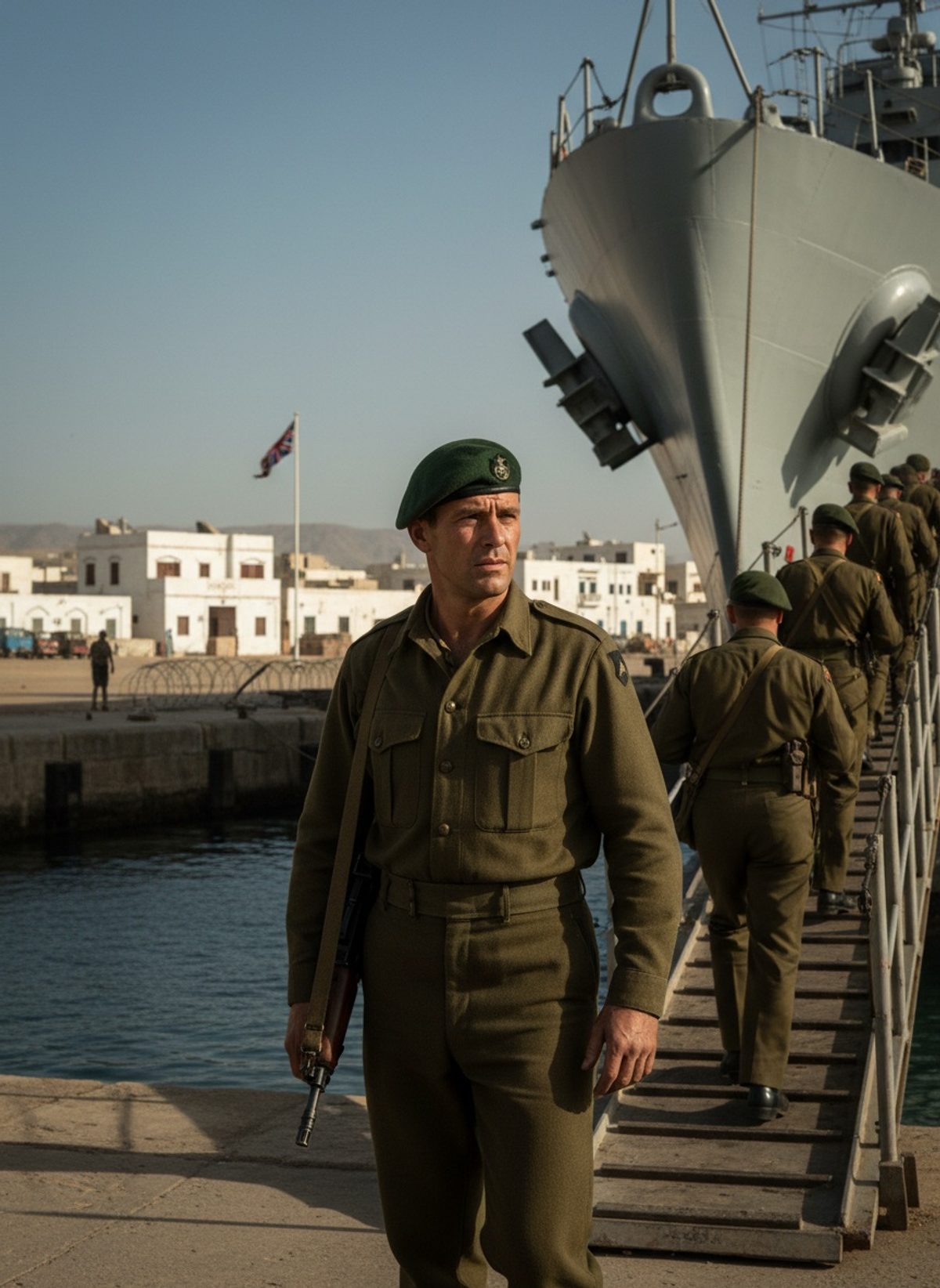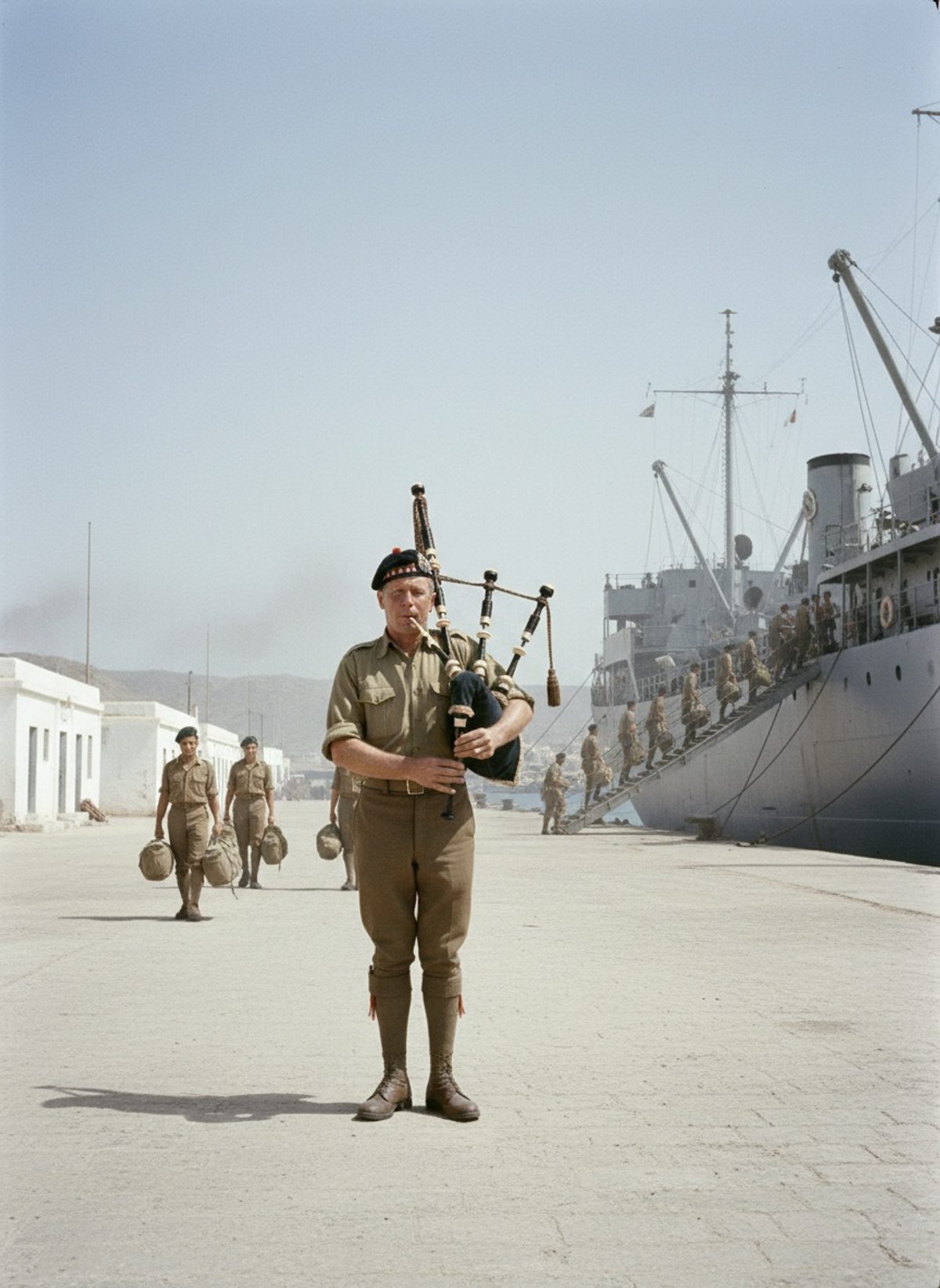
August 16, 1960. The sun blazed fiercely over Nicosia.
A Flag Lowered, A People United
The heat seemed unbearable in the city square where British governor Sir Hugh Foot stood under the bright Cypriot sky. It was the kind of heat that seemed to cling to the stones of the city, weighty with the history of occupation and rebellion. On this day, however, it was not the oppressive kind of heat that promises more conflict, but rather one that heralded new beginnings. The people of Cyprus had been moving toward this day through a maze of negotiations and bloodshed, each step a test of resilience and identity.
The ceremony was held with an air of hopeful anticipation, a stark contrast to the volatile years that had preceded it. Only a few years prior, the island nation had been embroiled in a violent struggle for freedom from colonial rule, a fight for self-determination that had left scars across the landscape and its people. On this day, however, those gathered were bearing witness to an amicable transition, an almost rare occurrence in the dying echoes of the British Empire.
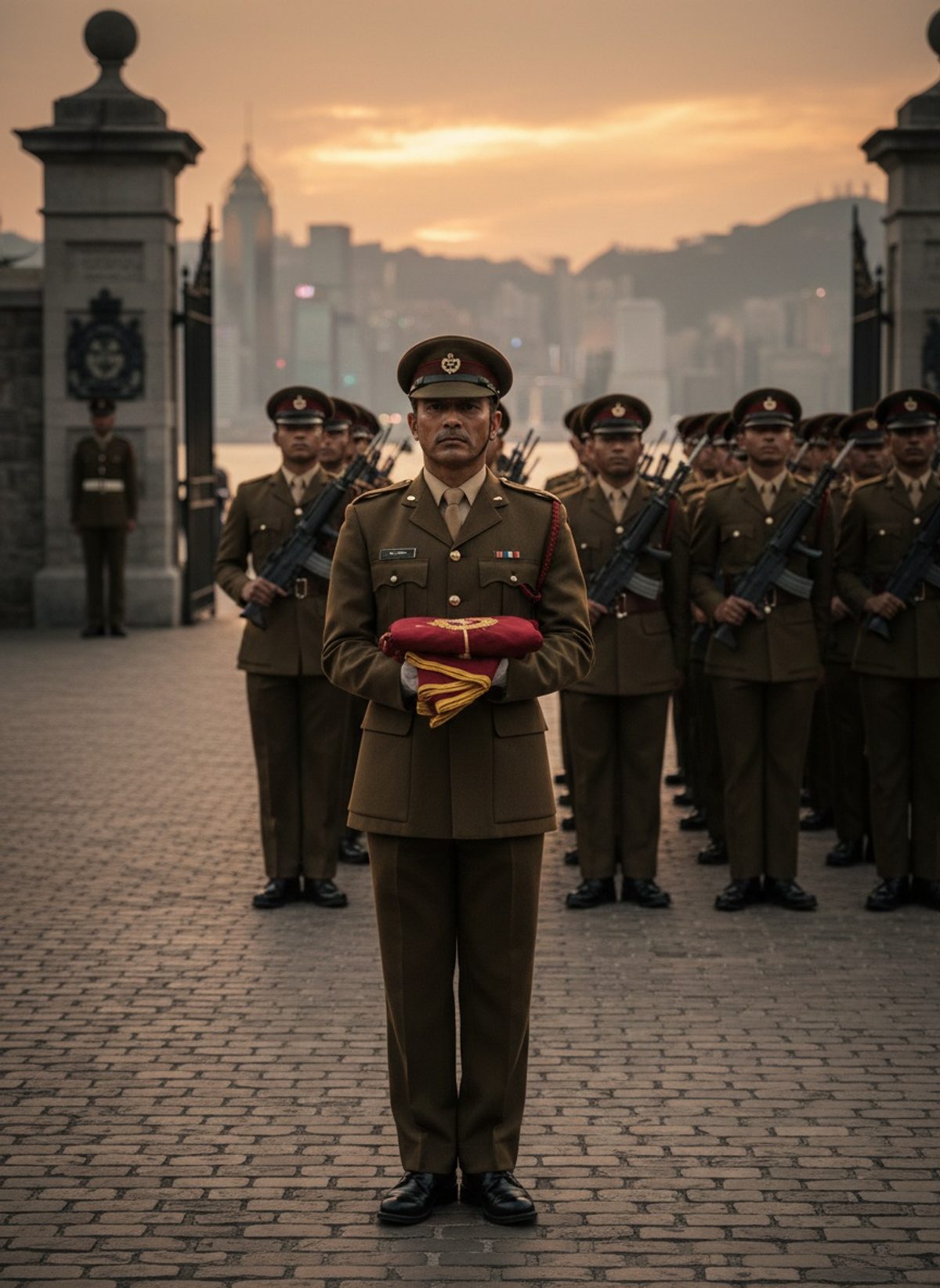
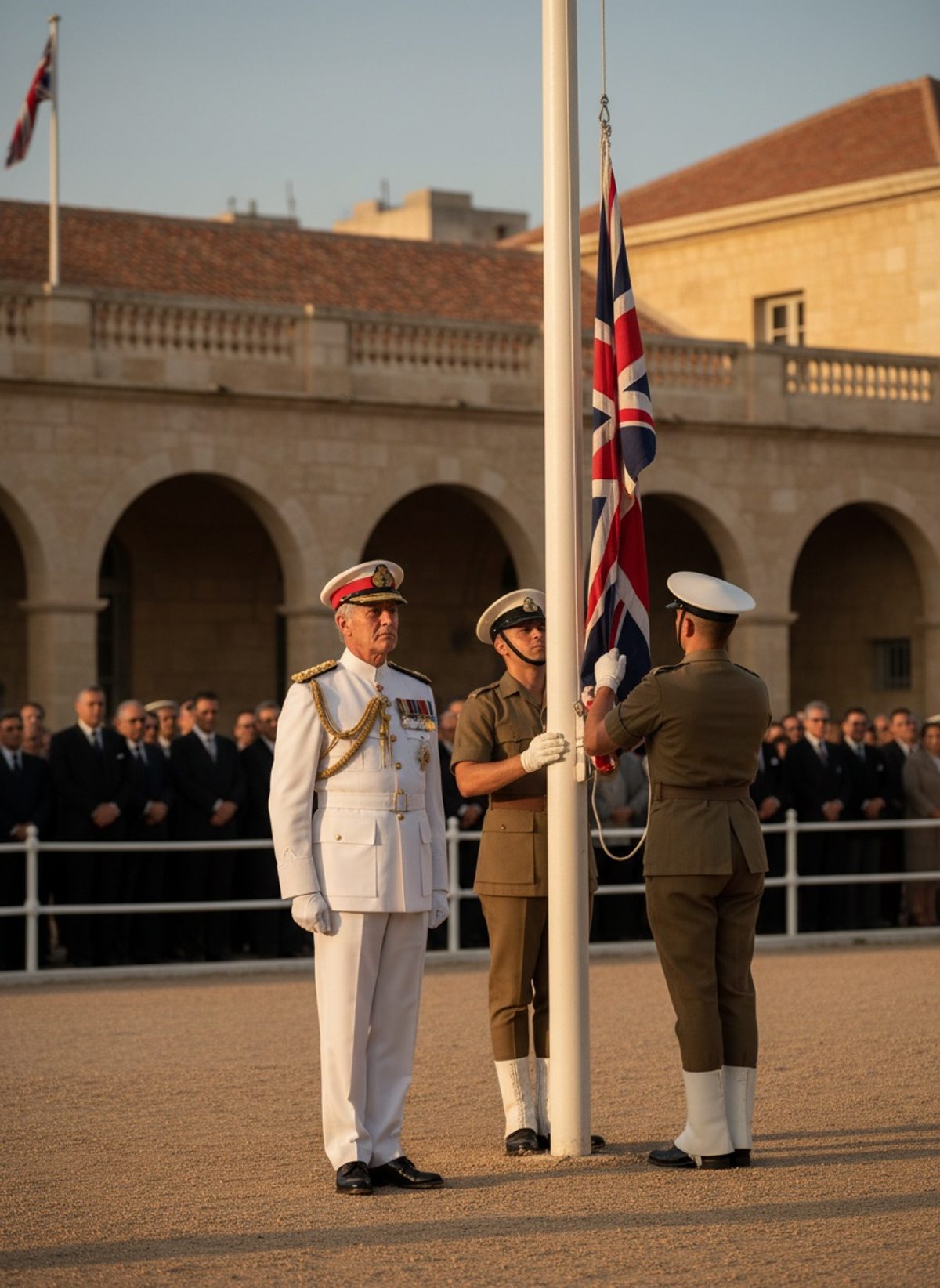
Sir Hugh Foot took the stage with grace, a man who had not only presided over the violence but had argued in favor of the island's autonomy. His actions were not merely those of a typical colonial administrator but of a leader who genuinely believed that the time for independent governance had arrived. Having navigated the complex web of international diplomacy and local sentiment, his presence was reassuring to many in Cyprus. The Union Jack, a symbol of imperial power, was lowered with dignity — not torn down in defiance, but folded carefully and placed in the hands of those who saw in it not an enemy's flag, but a symbol of a friend.
Read next: When the Black and Tans Crossed Into Ireland, 1920
A Bridge Between Worlds
In this moment, as the last vestiges of the British Empire slipped away over the horizon, the Republic of Cyprus was born. The gathering watched as a new flag rose in its place, a flag conceived from the struggles and aspirations of a diverse people. The white backdrop and copper-orange figure of Cyprus spoke of peace and the island's rich resources, while the olive branches signified the long-desired unity and hope for a peaceful future.
Governor Foot spoke of a bridge being constructed, not just between Cyprus and Britain, but among the Greeks, Turks, and other communities that called Cyprus home. As he handed over the Union Jack, he did so with the clear message that Cyprus would no longer be a colonial holding but a free nation, steering its destiny under the anthems of cooperation and mutual respect. He was acutely aware of the delicate balance that had to be maintained — one not simply forged by treaties but by the will of the Cypriot people to create a nation built on coexistence.
This peaceful handover was a symbolic end to one of the more controversial chapters of British colonial history. It required careful negotiation not only with Britain, but also international powers and local factions, each with their interests and concerns. The process leading to independence had been fraught with difficulty; yet, Foot's understanding of the intricacies involved and his consistent push for cooperative dialogue left an indelible mark on the proceedings.
The Echoes of a Silent Revolution
To the onlookers, the lowering of the flag might have seemed like the end of a journey, but in reality, it was a new beginning, full of uncertainty and potential. The world had shifted. Cyprus, though small in geographical size, occupied a strategic position in the Eastern Mediterranean and was stepping onto the global stage, ready to forge its identity amidst a complex geopolitical environment.
Sir Hugh Foot's role in this handover was not just that of an administrator concluding a job: he was a statesman ushering in a future crafted by Cypriot hands. His career had been defined by a recurrent theme — the disentanglement of colonial rule and the advancement of independence. Yet, his legacy here in Cyprus offered a valuable lesson in the diplomacy of empire's end; it demonstrated that power could recede gracefully, paving the way for new narratives to emerge.
As the evening sun cast long shadows over Nicosia, the newly unfurled Cypriot flag fluttered softly against the backdrop of an enduring civilization that had witnessed the rise and fall of many empires. Today, it was not merely an end, but a continuation — of dreams, of struggles, and of hopes enshrined in the symbols of an independent nation. The events of August 16, 1960, stood as a reminder to the world: an empire’s descent could indeed be dignified when guided by mutual respect and diplomacy's quiet strength. Thus, a bridge was built, not just for a nation, but for a future that would learn from the past — the beginning of a chapter yet untold.