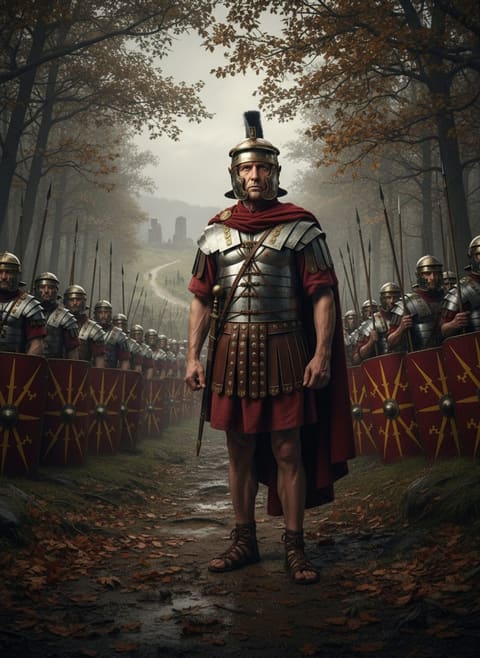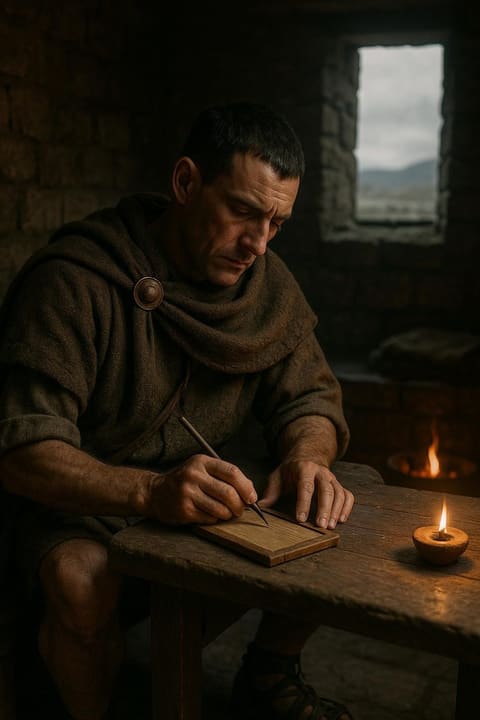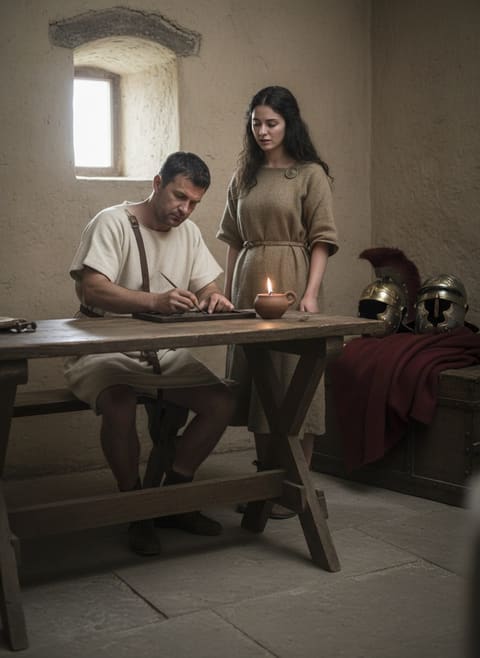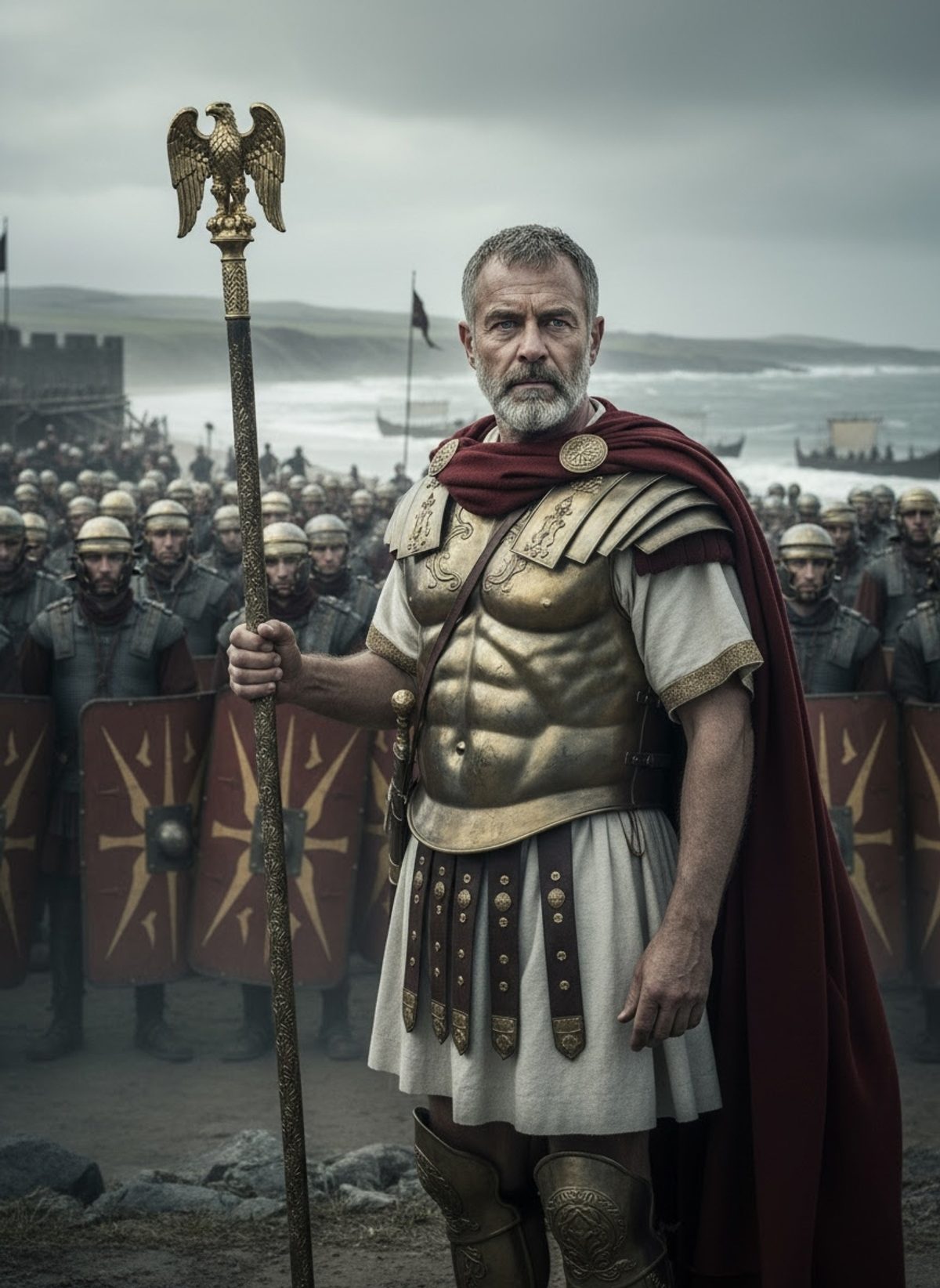
In the dusky prelude of a burgeoning British day, the air carries a distinct whisper, a portent of change. The morning mist shrouds the rugged cliffs, hanging above the churning waters of the Channel as synchronized footsteps drum on the earth. The legions gather, iron and leather glistening, while the sun begins its ascent.
Whispers grow to roars, declaring allegiance not just to Rome, but to an idea. This day in 383 AD, on the fringes of the Roman Empire, a decision takes form — a bold and audacious bid for power that would ripple through time.
The Man at the Edge of Empire
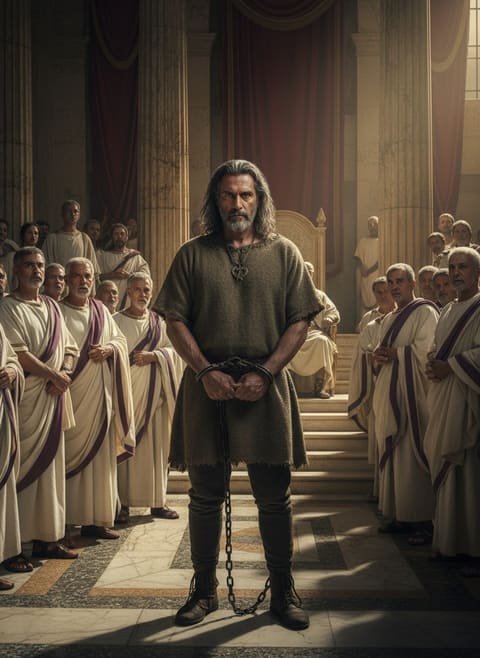
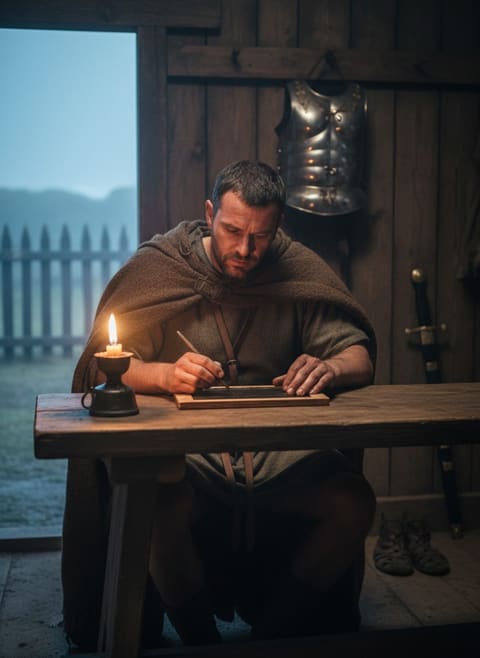
Magnus Maximus, before his treacherous march on Rome, was more than a mere general — he was a master of the known world’s extremities, commandant of Rome’s British legions. His presence was a beacon amid the unpredictable tempest of late Roman politics. Britain, isolated yet vital, was a crucible of ambition and authority. The distant climes endowed Maximus with the space to craft his destiny, free from the immediate grasp of Rome’s bureaucratic machinations.
Britain, then a patchwork of Roman towns and countryside dotted with ancient Celtic echoes, held its breath under Roman rule. Despite its strategic isolation, the isle was a critical component of the Roman tapestry, providing grain, resources, and soldiers. Maximus stood here like an island himself — a bastion against the chaos across the sea.
Read next: The Bread Ovens That Proved Rome Reached Scotland
Crossing the Rubicon From Afar
Little did Roman Britain know that it was poised to become the launchpad for a seismic shift. Maximus's audacity culminated in his soldiers’ acclamations, declaring him emperor. In a move reminiscent of ancient Caesar's crossing of the Rubicon, Maximus tore a page from history and penned his own: he stripped Britain of its defensive meat, bearing his legions across to Gaul, leaving behind the dusty footprints of Roman boots and an empty mist promising change.
This exodus was no mere tactical maneuver. It was a gamble, a lifeline cast into the vortex of imperial decline — a desperate grasp at Rome’s ailing heart. Yet it left Britain exposed, a hollowed shell of its fortification. Once-tempered by Roman might, the island now lay vulnerable to the churning winds of time and circumstance, its future uncertain and untethered.
A Crown Briefly Worn
In Gaul, Maximus's gamble temporarily paid off as he seized control of the Western Roman Empire. For five ambiguous years, he commanded not just provinces but the fluctuating fates of an empire — secured not by birthright but by the grit of his campaign. Brussels bent the knee, and even venerable Rome seemed to acquiesce, granting him a timeworn laurel while Maximus entertained delusions of permanence.
However, the empire was a beast not easily tamed. Intrigue and jealousy fed its breath as rivals gathered like wolves at a feast. The ambition that had propelled him also sealed his fate, for the fragile mechanics of his power were but threads in the tapestry of Roman politics, which inevitably unraveled under internal pressures. By 388 AD, Maximus would meet his doom. A brief, rolling thunderstorm following in the wake of his fateful gamble.
Read next: The Roman Soldier Who Carved His Name Into Hadrian's Wall
Britain Adrift
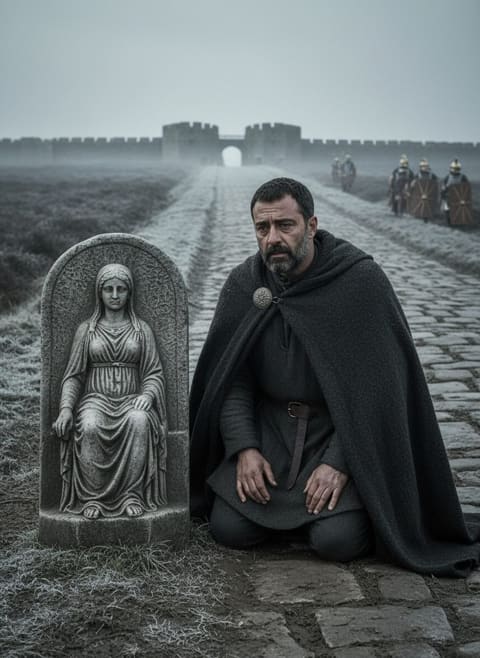
Where his story ended, another began — one of a Britain cast into the float of an uncharted sea. Bereft of its Roman garrison, the isle found itself at the mercy of marauding Picts and Saxon raiders, their aggression unrestrained by the absent legions. The once-thrumming roads of Rome fell into disrepair, while local warbands began to forge their own destinies amidst the ruins of an imported empire.
New realities began to crystallize as Roman administrative frameworks crumbled, and the cost of Maximus's decisions became painfully evident. Without an anchoring Roman presence, Britain embarked on a gradual metamorphosis, drawing away from imperial entanglement. It was a transformation marked not by swift upheavals, but by the steady decay of Roman vestiges and the slow rise of Anglo-Saxon kingdoms.
The tales of the past offer us lessons not simply stowed in their telling but embedded in their echoes. Magnus Maximus’s audacious excursion into the corridors of power reminds us of the fragility of empires and the unexpected consequences of ambition. In forsaking Britain, he set in motion a slow burn — altering the isle’s trajectory from a Roman province to independent identity, a path that would shape British history for centuries.