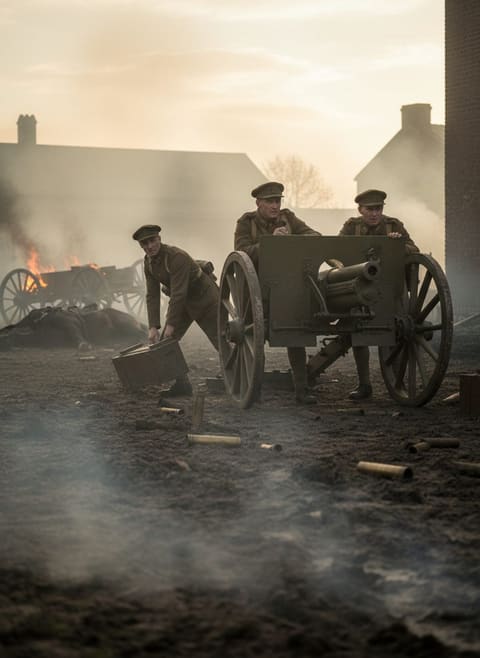
Winston Churchill delivered a speech that stirred a nation on the brink of despair. Yet, not a soul outside Parliament heard it live as it happened. On the afternoon of June 4, 1940, Churchill spoke to the House of Commons with the weight of the world pressing upon his words. The days leading up to this moment were grim. Britain had just pulled off one of its most desperate evacuations, bringing home over 300,000 British and Allied troops from the beaches of Dunkirk. While this seemed a miraculous escape, it masked a more sobering reality — the soldiers had returned, but the bulk of their equipment had not. Tanks, guns, and vehicles lay abandoned on the French sands as the silent witnesses to Britain’s vulnerability.
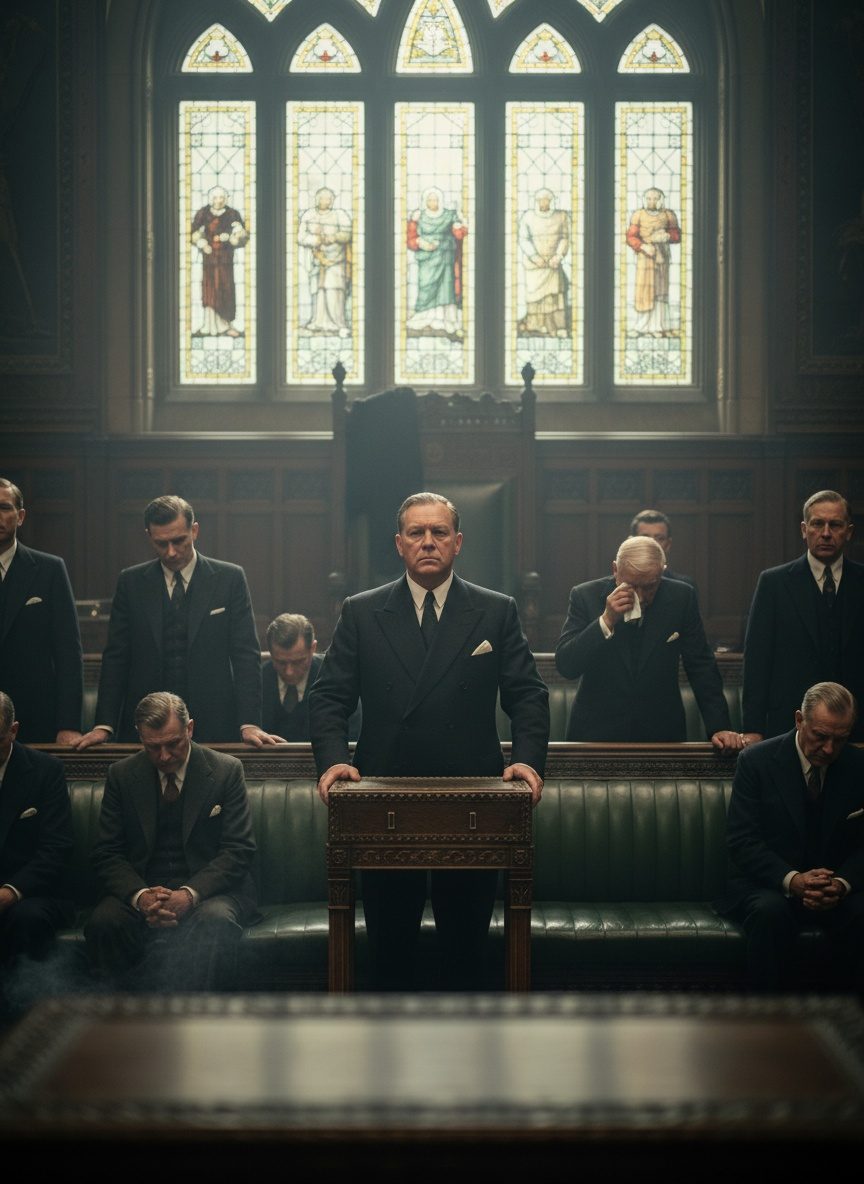
Churchill understood this predicament all too well. His speech that day wasn’t just rhetoric; it was realism couched in defiant resolve. The Prime Minister needed to fortify not just the defences of an unarmed and weary Britain, but also the spirits of its people. Echoing within the hallowed halls of the House of Commons — ancient walls that had hosted countless debates and decisions — Churchill’s voice forged a new kind of battle line. He spoke of fighting on the beaches, in the fields, and in the streets. Without arms, but not without hope, he swore that Britain would never surrender. While the transportive power of the radio would carry his words across the airwaves later that evening, the raw urgency of the moment was a sacred experience shared exclusively amongst those present in Parliament.
Outside of Westminster, the nation was caught in the throes of a starkly contrasting reality. On one hand, the Dunkirk evacuation had become a symbol of resilience, yet on the other, the harsh truth of military loss loomed large. Virtually overnight, an island nation had become an exposed fortress. Britain’s survival appeared to hinge on an act of faith, and Churchill's speech became its clarion call. The blistering speed of the German advance in Europe necessitated equally rapid action from the British people. Everyone, from factory workers to housewives, was enlisted in a national effort with one singular purpose: to stand ready for the cloud of war that threatened to engulf them. Ordinary citizens would now form the bulwark against an impending invasion — their sweat and toil replacing the guns left behind.
Yet it wasn’t only about replacing machinery of war; it was also about stitching together the frayed edges of national morale. Churchill's speech came at a critical juncture, appealing to Britain’s shared identity and indomitable spirit. The Dunkirk spirit, as it came to be remembered, wasn’t born from triumph but from the fierce acceptance of adversity. It captured the imagination not just through Churchill's stunning oratory, but through the collective will it galvanized. Towns and villages across the country became beehives of activity. Industries churned out equipment with incredible speed, converting from peacetime production to the manufacture of war materiel at astonishing rates. The dark clouds of war had temporarily obscured Britain’s path forward, but Churchill’s words had lit a torch to guide them.
As Churchill’s declarations echoed through the chamber, they also rippled across the Atlantic. In the United States, his words were relayed with a mixture of admiration and apprehension. The American public observed Britain’s plight with a palpable sense of uncertainty. While not yet embroiled in the war, the United States was acutely aware of how the conflict could shape the world order. Churchill, ever the strategist, understood the critical importance of keeping Britain’s plight in the American consciousness. His speeches, each a masterpiece of rhetoric and resolve, served not only to rouse his own nation but to subtly build a case for future American support.
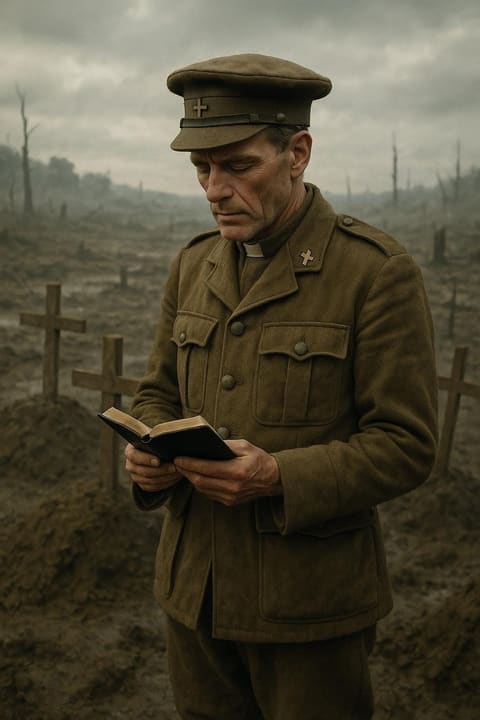
Read next: The Day a Army Chaplain Gave His Coat to a Dying Stranger
The broadcast of the speech that evening expanded its reach exponentially, ensuring that Churchill's steely determination surged from ear to ear across Britain. Yet the absence of live transmission had already imparted a different, almost sacred quality to his words for those who heard them first-hand. It was as if a mystical transformation took place in that chamber — allowing them to carry the weight of his defiance to others. For those in the House of Commons that day, the speech was not only a call to arms but a deeply personal lift of spirit, resonating even beyond the eloquent phraseology that history would forever record.
When we reflect on this pivotal moment, it is not simply the audacity of Churchill’s promise but the unfaltering belief it elicited that leaves its deepest imprint. More than just a historical footnote or a quotable speech, it was an embodiment of how words, when wielded with conviction and clarity, can become as potent a force as battalions and artillery. The speech delivered in that anxious June would mark a watershed in Britain’s wartime narrative, echoing down the corridors of history to remind us of the enduring power of leadership when everything seems lost.