August 26, 1917. The heavy air held the smell of mud and smoke together. The battlefield at Passchendaele resembled the surface of a foreign planet—alien, hostile, and barren. It was a sodden expanse pockmarked by shell-holes, entirely devoid of life except for the crows circling overhead, waiting for their next feast. Somewhere amidst this hellish panorama, groans and cries pierced the muddied silence. They belonged to soldiers, left behind amid the carnage, hurt but still clinging to life.
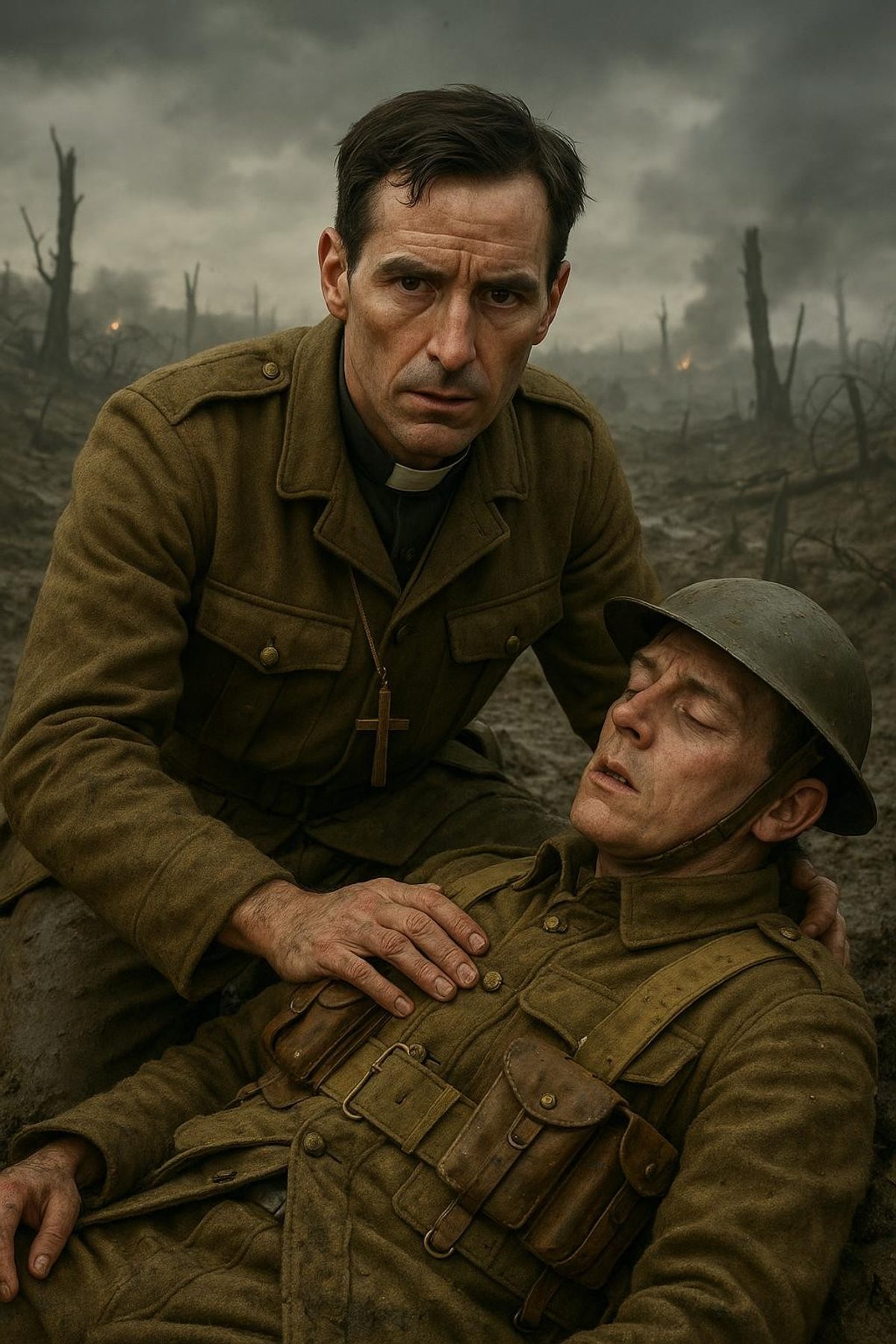
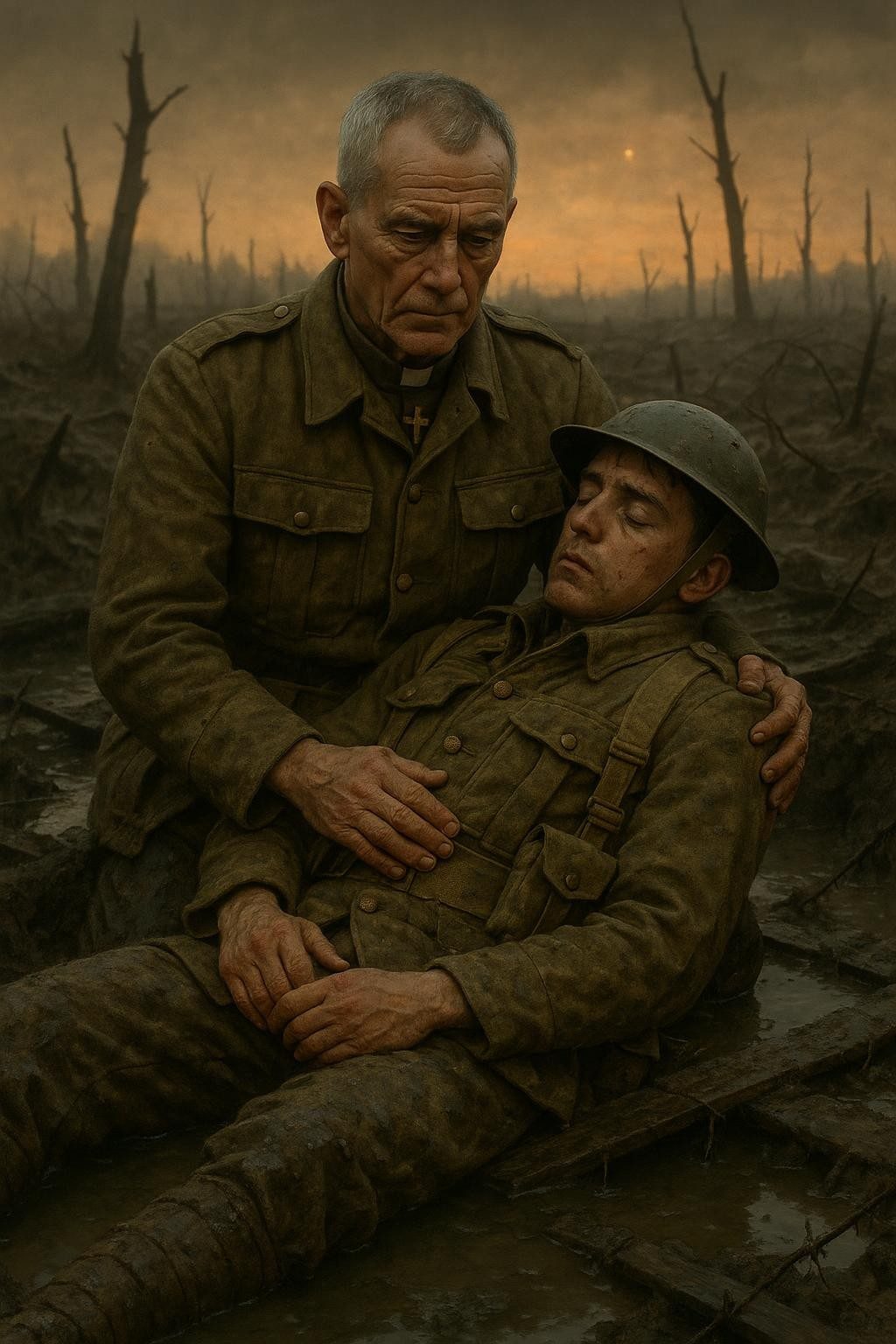
Most of the troops had retreated to the relative security of their trenches, obeying the orders to fall back after the latest offensive. The task had been almost Herculean, for the terrain conspired to trap them, sucking at boots and bodies in the mires. With the trust in orders that soldiers were taught to maintain, they left behind the injured and the dead. However, there was one man, noticeably out of place among the rank and file of the British Army, who stayed behind. An unusual figure on the battlefield: Reverend Theodore Bayley Hardy, a vicar pushed far beyond his parish, stood measuring the desolation with eyes that would not flinch.
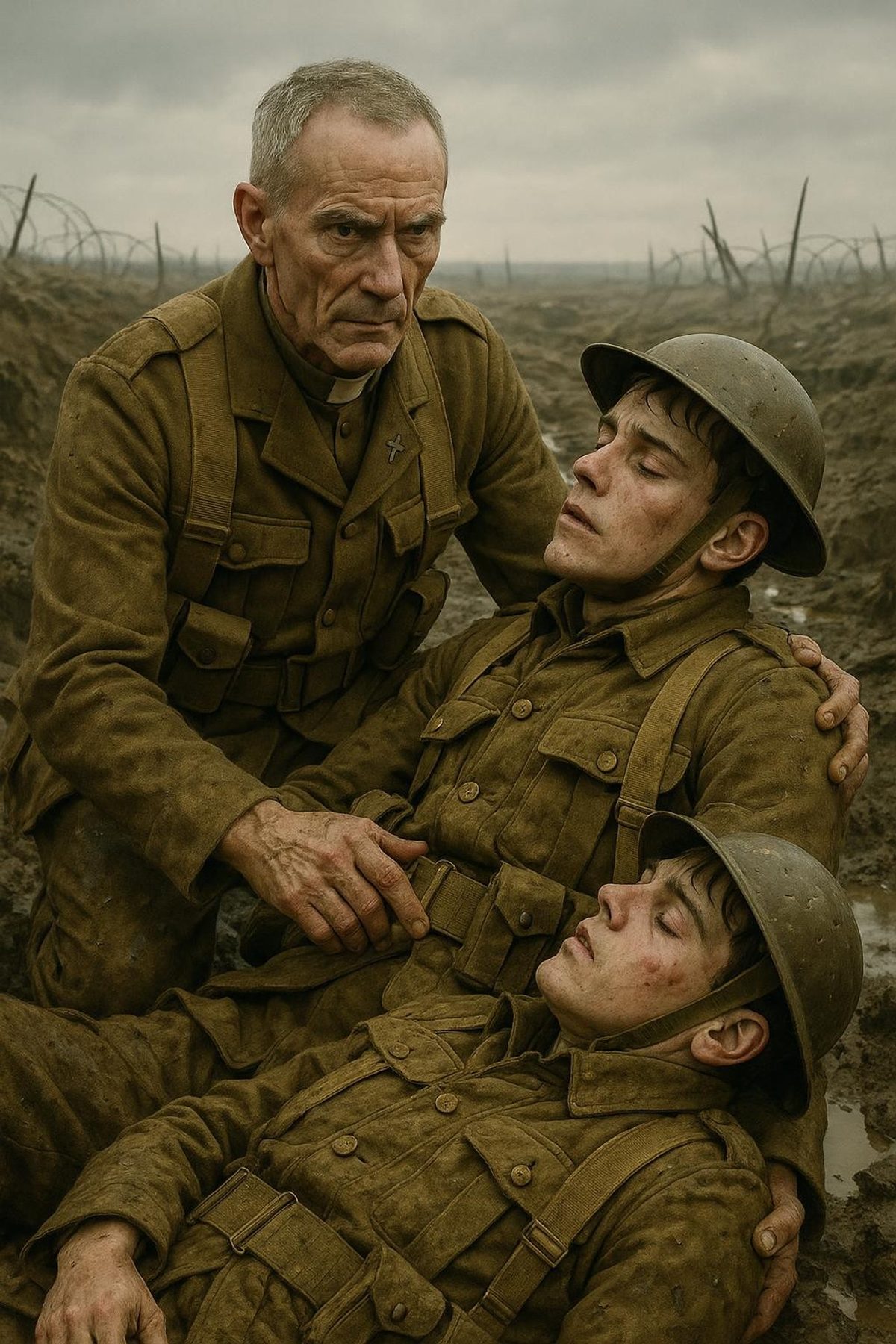
At fifty-four, Hardy was considered too old and frail for the frontline by the standards of the time. A Lincolnshire schoolmaster and devout believer, he had initially been rejected for military chaplaincy. Yet his persistence and deep sense of duty were not to be easily dismissed. Offering solace was his vocation, whether in the quiet pews of his church or amid the chaos of war. Little could the War Office clerks have known that this thin, bespectacled man would walk into history, among whispering legends recounting his singular bravado.
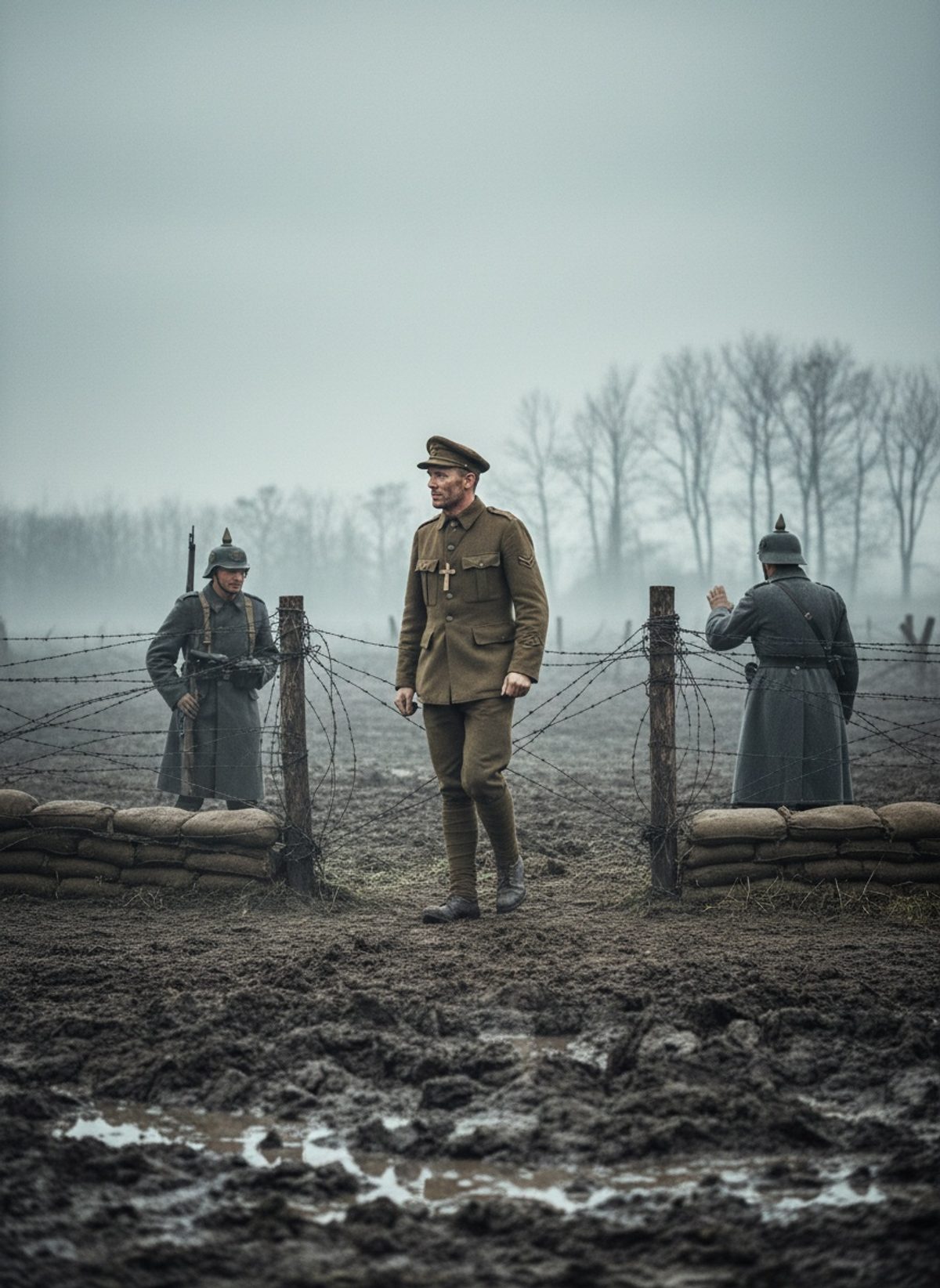
No man's land, during the Great War, had become synonymous not only with territorial liminality but with mortal danger. Ranging from mere meters to hundreds of yards between trench lines, it was a gauntlet no sane soldier willingly faced. It was not simply space but a harrowing chasm between life and death, crammed with barbed wire, land mines, and the relentless specter of sniper fire. These were facts every soldier knew, yet they were seemingly brushed aside by Hardy as he prepared to collect the wounded. Those stricken men lay on this contested ground with just one last hope—the padre might come for them.
Read next: The Night Dudley Clarke Borrowed a Name From Britain's Enemies
With every careful step, Hardy braved this haunted land, bending first to lift one grievously injured man from the mud. Then another, and another, utilizing strength that seemed out of place in his slender frame. Each time, he repeated this act, trudging slowly, painstakingly back to the safety of the trenches. His path was marked by the heavy burden of those clinging to life, each body an act of defiance against fate. Hardy's actions flew in the face of the rules of battle and reason, challenging Death's unyielding claim with each return to the din of cratering shells.
Even as rain turned the battlefield increasingly treacherous, simulations of emotions warred within Hardy's heart—compassion battling despair, faith encountering the grim realities of war—but it was duty that won decisively. This devotion left a deep impression not only on those he saved but also on those who bore witness. His bravery did not go unnoticed. In April 1918, this unassuming vicar was awarded the Victoria Cross, Britain's highest military honor, recognizing the selfless gallantry that preceded a remarkable string of commendations, including the Distinguished Service Order and the Military Cross.
Yet, in all these accolades, Hardy remained humble. His mission was unchanged: to bring comfort to the living, to tenderly close the eyes of the dead. The narrative of Hardy's courage was more than an anomaly; it became an emblem of humanity amid the dehumanizing machinery of war. Few knew that his fervent actions were born from a childhood lost, crafted by orphanhood and the solace he found in servant leadership. Without pretense or personal glorification, Hardy was proof that the resolve to do good required no battlefield laurels or medals, but rather an unyielding faith in the work at hand.
As the guns of the Great War eventually fell silent, the stories of those like Hardy continued to echo. Among the countless tales of valor—often gloriously recounted with powder and charge—his stood out, haunting in its simplicity and grace. It whispered of the extraordinary reaching into the ordinary, where heroism wore not the medal chains of command, but the woven cloth of a humble chaplain's service vestments. In no man's land, he walked with purpose forged from faith and compassion, his legacy resonating through the void.
Today, the battlefield at Passchendaele remains a reminder of war’s futility and sacrifice. The tales of bravery now lie as closely as the bodies that turned these lands into cemeteries. Yet something extraordinary persists in remembering how a single act of humanity could spark light amidst abject darkness. We look back at Hardy's pilgrimage across no man's land not merely to reiterate courage or heroism but to ponder the cost and the costlessness of such deeds. While textbooks record the strategies, numbers, and outcomes, voices like Hardy's find resonance in the heart’s chronicles—those that reckon the value of each life saved.