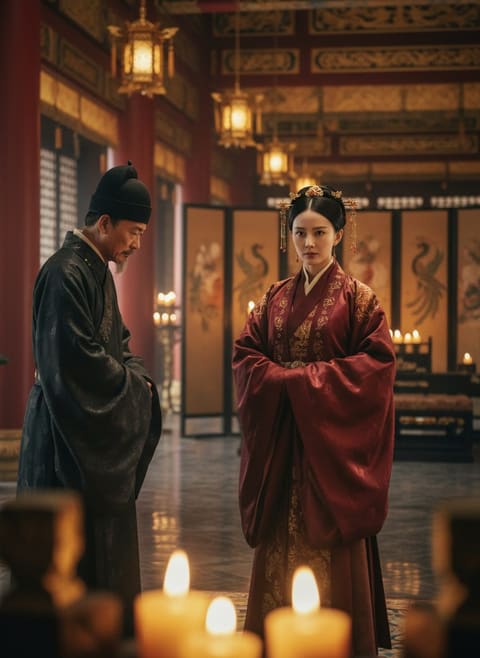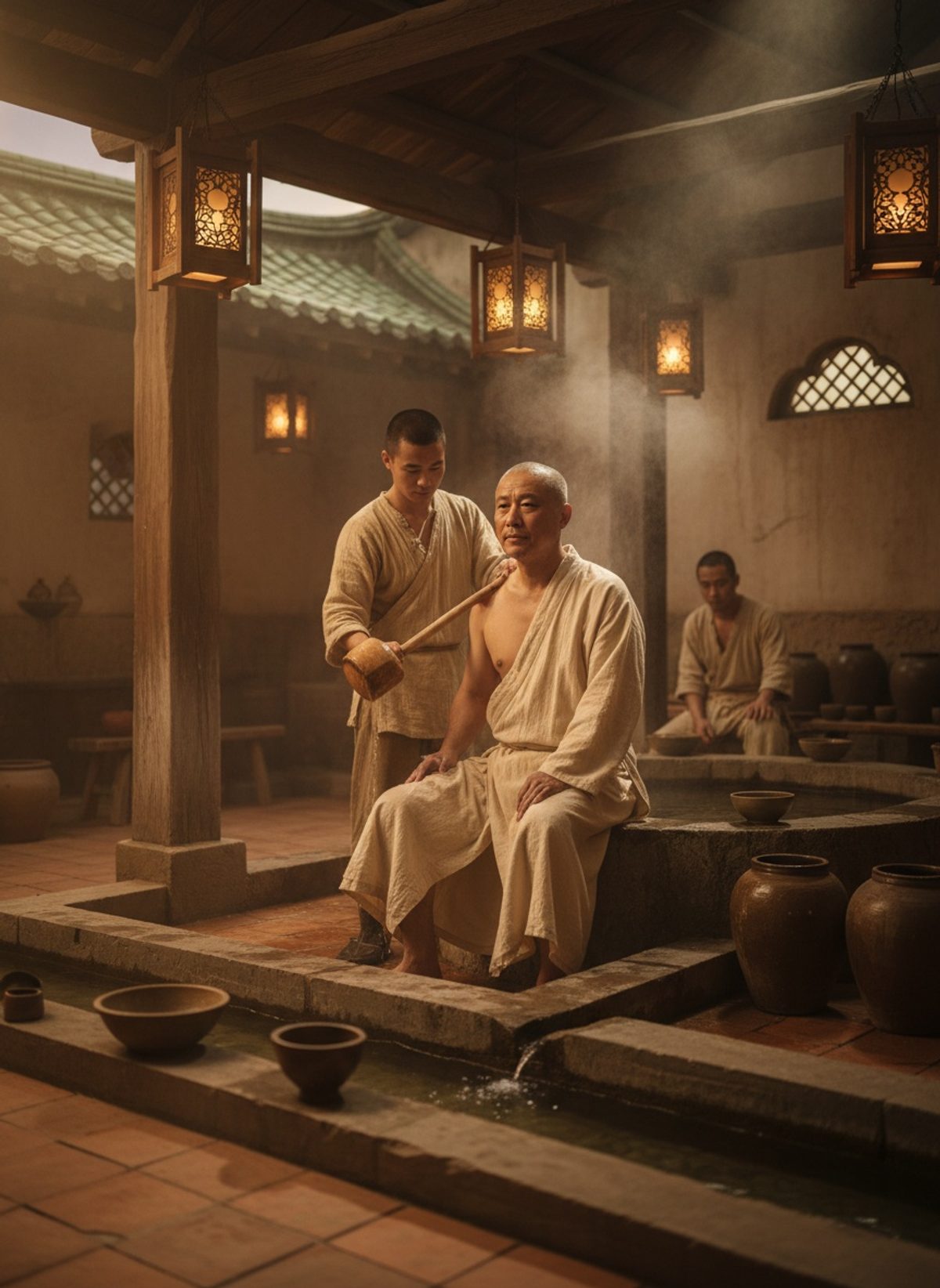
The bathhouse doors opened in the pre-dawn chill. Merchants, monks, and farmers alike queued together, their breaths mingling in the cold morning air. For here, behind the imposing stone walls and under intricately carved beams, everyone was equal.
During the Tang dynasty, from 618 to 907 CE, China blossomed into a beacon of culture and cosmopolitan grandeur, with its capital, Chang'an, standing as a testament to the era’s affluence and influence. Within this sprawling city, the public bathhouse was more than just a place of hygiene; it was a melting pot of people and ideas, a microcosm of the bustling life that defined this golden era of Chinese civilization.
As the empire's population swelled from approximately 50 million people to an impressive 80 million by its end, so too did the number of bathhouses across this thriving realm. Unlike many of the era’s social venues, bathhouses welcomed everyone, indiscriminate of social standing—be it the humble laborer or the lofty official. For one brief, steaming hour, the sinuous lines of rank and privilege dissolved into hot spring mist.
The hot spring water that flowed through the carved stone channels of these establishments held more than just a promise of cleanliness. It was an ancient ritual of rejuvenation and relaxation. Stone dragons spouted water into sunken pools, where the rich and poor alike submerged their cares and troubles, if only for a moment. Each bathhouse was a sanctuary, a place where the day’s burdens could wash away as simply as dust on bare skin. The steady hands of the attendants scrubbed every back the same, their deft movements revealing an unspoken mastery that had been honed through generations.
Read next: He Walked Into the Emperor's Court. He Wept for a Sparrow.
The Tang period was not merely an auspicious time for public infrastructure but also a flourishing season for culture and art. Much like the poetic dramas that filled the minds of the literati, these communal spaces told stories, one bucket of water at a time. Amid the relaxing vapors, conversations surged—an unwritten scroll unfurled in murmurs and laughter. News about the latest edict from the Tang court flowed alongside tales of far-flung lands connected by the Silk Road, tales seeped in the spices and silks that merchants carried home like trophies.
Bathhouses during the Tang dynasty were hubs of discourse—a venue where the latest political developments were deliberated and debates about poetry, influenced by the renowned likes of Li Bai and Du Fu, flourished. It was here that the intellectual and the artisan met not in the difference of their crafts but in shared humanity. The architectural flourishes that adorned these bathhouses whispered of the dynasty’s artistic richness, a richness that extended beyond their walls to define one of the greatest ages for Chinese poetry and painting.
The bathhouse experience was one of sensory transformation. Patrons stripped to their true selves, the cobbled path towards the bath acting as an equalizer. Stone floors were slick with steamed moisture, making each step precariously cathartic. The fragrance of mingled herbs and minerals was thick enough to taste: lotus flowers and sandalwood infused the air, a stark contrast to the secular dust of the outside world. Each splash of water against the stone pool walls echoed with the deep resonance of tradition and tales remembered.
This communion with water held spiritual significance beyond the immediate physical relief it provided. For many, it echoed the meditative qualities valued by the fervent upsurge of Buddhism that permeated much of Tang China, before Emperor Wuzong’s policies in the 840s receded its influence. In a time when familial piety and harmony with nature were pillars of societal morality, the bathhouse served as a venue where one could cleanse not only their body but also purify the spirit—a practice that was as much about health as it was about cultural identity.
Read next: Einstein Cooked His Egg in the Soup. On Purpose.
Nevertheless, these bathhouses were, above all, a reflection of the empire’s richness in diversity. The empire’s border expansions reached deep into the heart of Asia, and its multicultural inhabitants brought with them traditions that complimented traditional Chinese sensibilities. Within the bathhouse, they found common ground in steam and sweat. It was a gathering of the empire's many voices, threaded together in the haze, catalyzing the era's cultural effervescence.
As the Tang dynasty's societal structures eventually weakened, in part due to the An Lushan rebellion and the decentralizing rise of military governors known as jiedushi, the fabric of such communal inclusivity began to fray. Yet, the essence of the communal bathhouse endured, immortal in its simplicity and depth. It represented an ideal rarely achieved in the hierarchical scaffolding of imperial China: a democratic reprieve where all were scrubbed down to the humanity beneath the calluses of class.
In a contemporary world often besieged by the division of privilege and power, the bathhouses of the Tang era provide a unique reflection in the mirror of history. They offer lessons in equality we can ill afford to ignore. Though the whispered dialogues within their walls have long since cooled, their message remains timeless—a testament to the spaces we create when we bathe in the shared essence of our existence. Where steam once closed the ranks, so too can its rising tendrils teach us to see each other clearly across the veils of our differences.