The relentless sun hung like a blazing eye over the cantonment at Meerut, casting long shadows across the dusty parade grounds. There was a languid stillness to the air, punctuated only by the distant call of a bugle, its silver notes challenging the oppressive silence that had settled over the British officers' quarters. The sprawling compound, ringed by banyan trees that whispered secrets to one another in the scarce breeze, was an unlikely epicenter of a brewing storm. This secluded enclave of empire was not just a military station; it was a cauldron of unspeakable horrors and clandestine truths, lurking behind a veneer of iron discipline.
Behind the Ledgers and Under the Verandahs
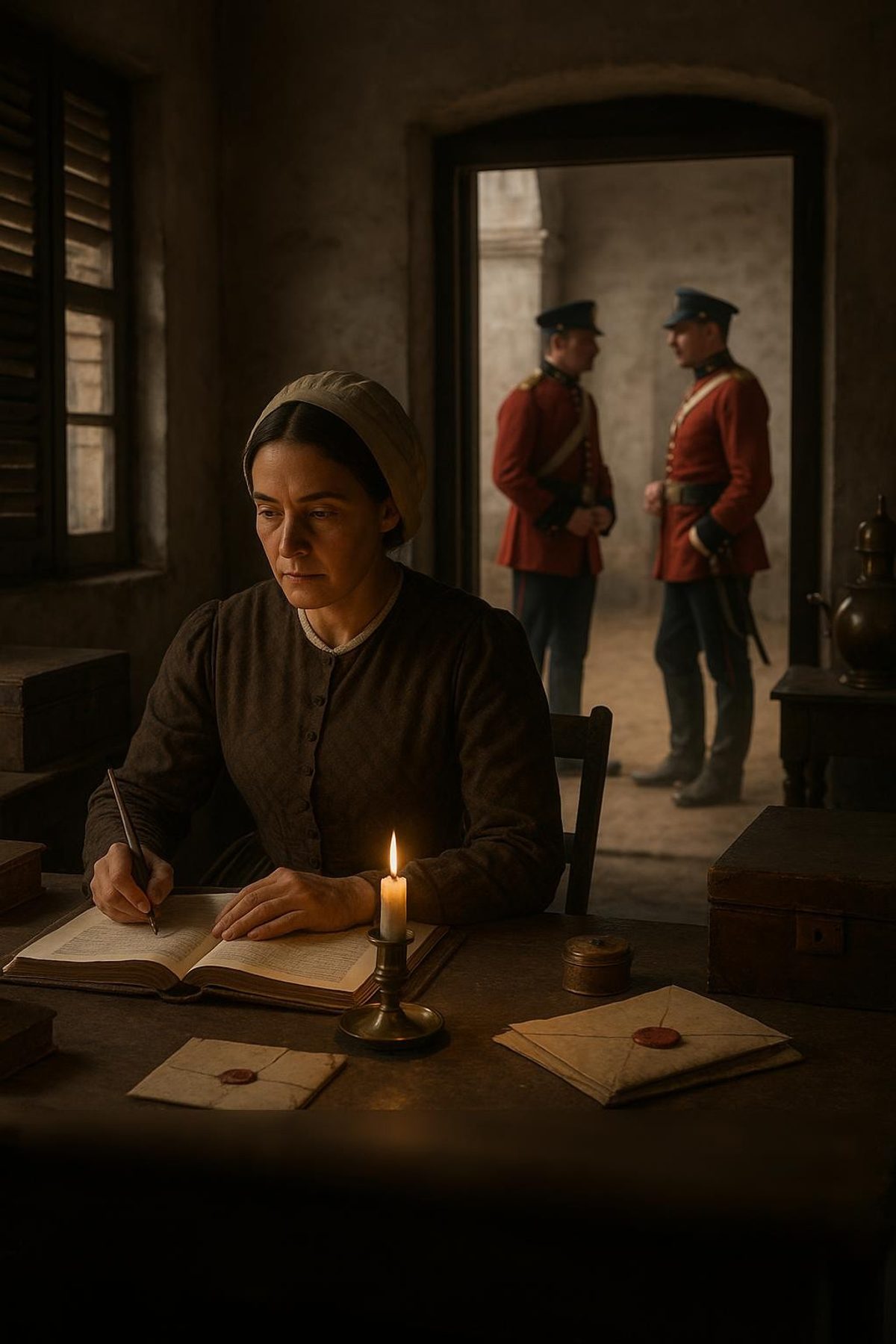
In an unassuming room, cluttered with oak furniture and ledgers that towered like monoliths of bureaucracy, a lone woman scribbled quietly, capturing the pulse of an empire at war. The clack of her pen across parchment was the only sound echoing in a space that was witness to more than its share of indiscretions and confidences. She was neither a soldier nor an officer's wife, but her presence was indelible. As a civil servant tasked with keeping the records, she bore silent witness to the raw realities that those in power preferred buried beneath layers of obfuscation and official bravado.
Details of whispered conversations seeped into her consciousness like ink blots spreading across paper. It was in the sanctuary of these ledgers that truths were laid bare: the dark humor of officers jesting over their own men's deaths, the casual cruelty recounted as dusty tales over a late-afternoon brandy. In the recesses of these books, she cataloged not just statistics and logistics, but the confessions elicited under the oppressive Indian sun. These were not the jingoistic legends that adorned history textbooks back in England—these were the raw, unvarnished truths of an occupying force grappling with a nation seething with rebellion.
A Theater of Cruelty
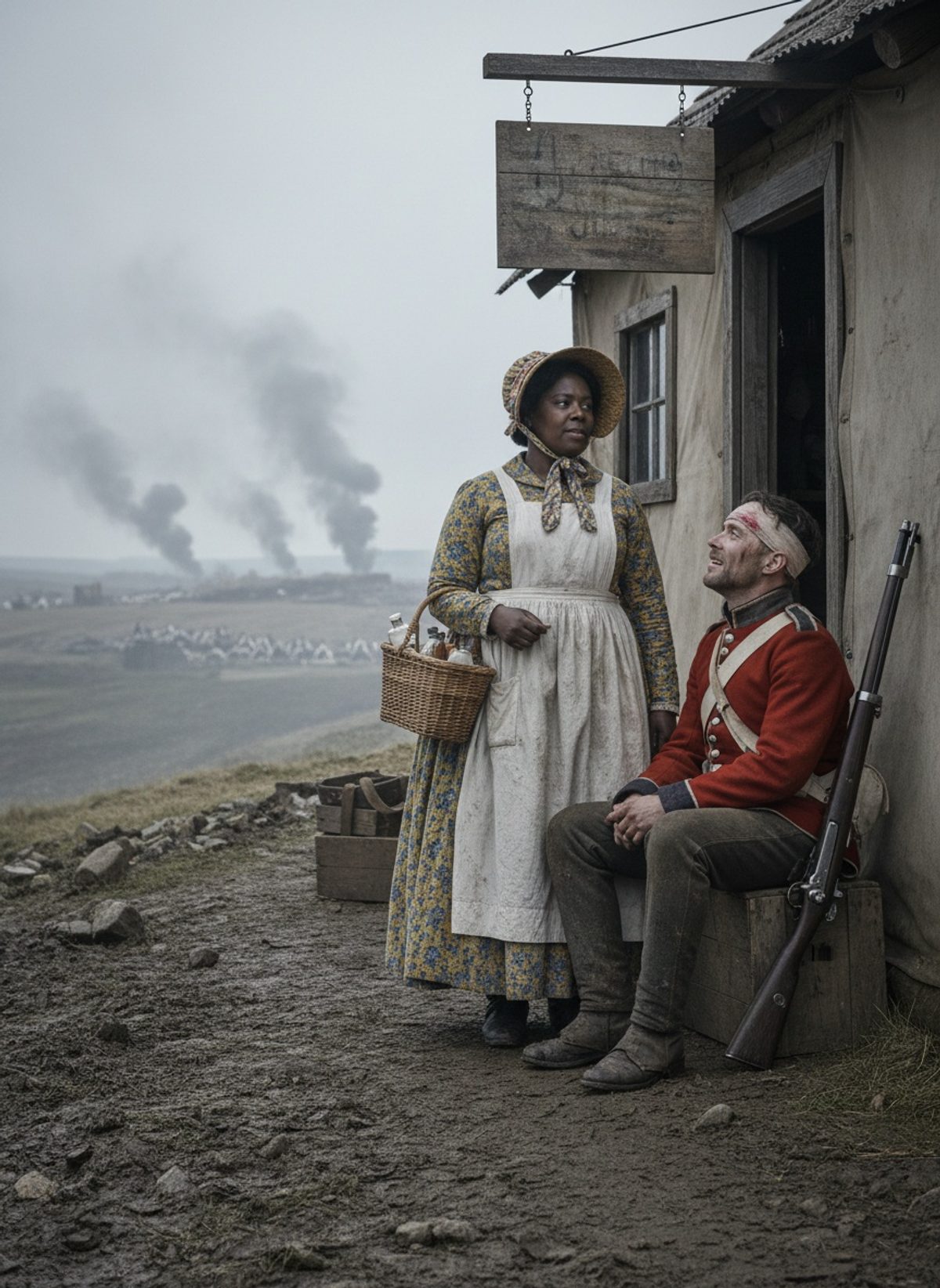
The Indian Mutiny, or the First War of Independence as later generations would come to call it, began in 1857 as a conflagration sparked by rumor and fuelled by a long history of grievances. The sepoys' insurrection against their British overlords was bloody and widespread, reshaping territories and narratives with brutal swiftness. Amidst this chaos, the British Empire clamped down with an iron grip, determined to snuff out the defiant embers of resistance. Yet, within this maelstrom, acts of barbarity and defiance leapt out across the record books, penned neatly by that same civil servant's hand.
Read next: When Coventry Cathedral Burned and Rose From the Ashes, 1940
She recorded the horrors so offhandedly recounted by troops and officers who saw themselves as unassailable instruments of empire. Stories of entire villages razed to force submission, prisoners tortured for scraps of information, and acts of retribution delivered with chilling finality filled her writings. These men became gods of their own making under the scorching sun, their omnipotence unchecked in the eyes of the innocent and guilty alike. And the tales they told—half confession, half boast—were absorbed by ears meant to remain inconspicuous.
The woman's role as a chronicler was a dangerous one; any misstep could invite suspicion or worse. There was no balm of anonymity—only the precarious balance of fulfilling a duty while preserving her own safety. Yet she continued to record, her pen capturing the cognitive dissonance of those who lived two lives: one regaled as valiant, the other soiled with the sins of domination. In that internal ledger, the annals of heroism were tainted with acts that would haunt those pages long after the tumult subsided.
An Epoch's Echoes
The rebellion's eventual suppression did little to quell the whispers of discontent that simmered beneath the surface. As victory was proclaimed and new regimes established, the ledgers remained—quiet witnesses to history that would otherwise remain untold. The ink long dried on tales of atrocity and survival, of perpetrators self-possessed and victims unremembered. In the transformation of imperial myths, her writings resisted obliteration of the truth. They reflected a deeper reality of conquest, where valor and vice coexisted, their legacies intricate and intertwined.
What she documented was not just the outcome of an insurgency, but the reflection of a global power's hubris in its twilight. Her accounts offer invaluable perspective on how a mighty empire, unchallenged in its might, could crack at its very foundations when faced with internal rot. The meticulous records have become both eulogy and indictment, forcing a confrontation with the uncomfortable truths omitted from tales of gallant conquests and noble exploits.
Today, as we revisit those turbulent years, we find ourselves drawn to these narratives in search of truths that time endeavors to erase. Her unseen contributions remind us that the stories left out of textbooks are where true lessons can be found. In a world where dominant narratives often drown out the past's ambiguities, her quiet resilience served as an act of defiance in its own right. History's vaults may have closed over the Indian Mutiny, but somewhere, amidst those forgotten ledgers, the echoes of what she witnessed continue to challenge our understanding of empire.