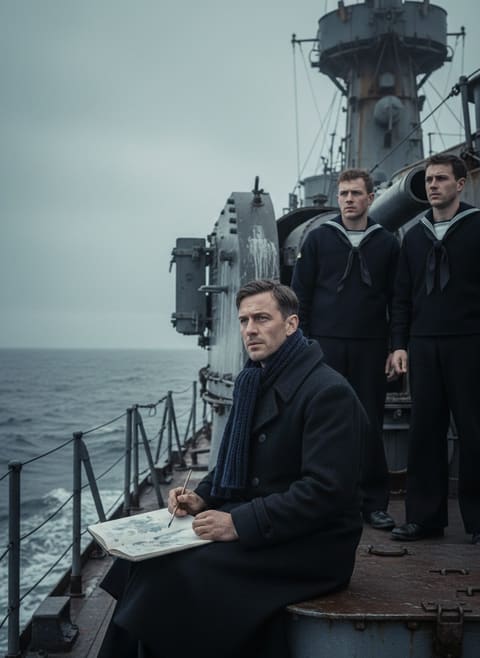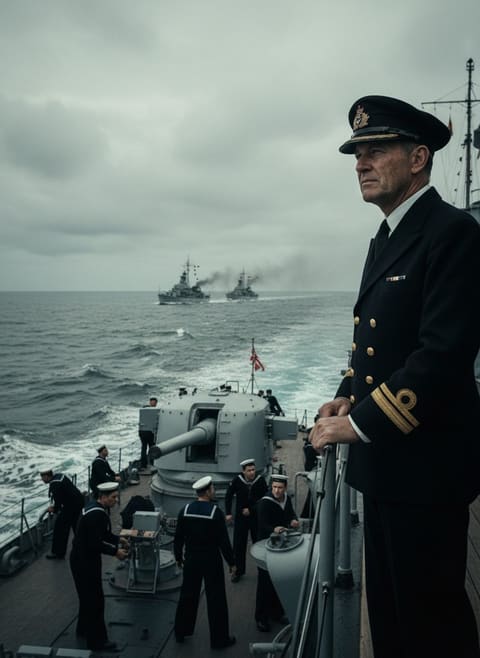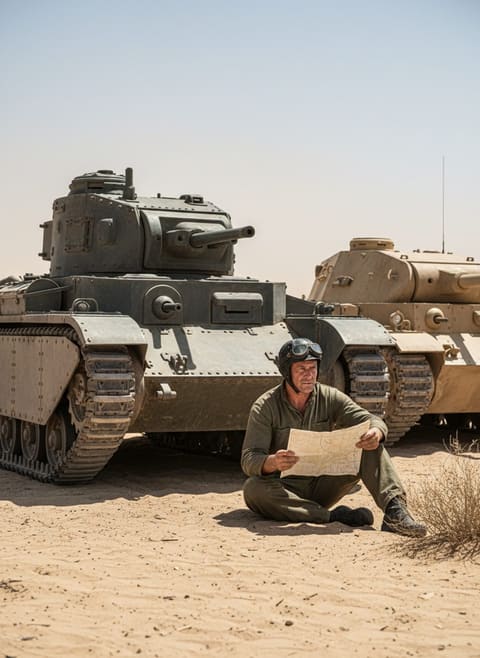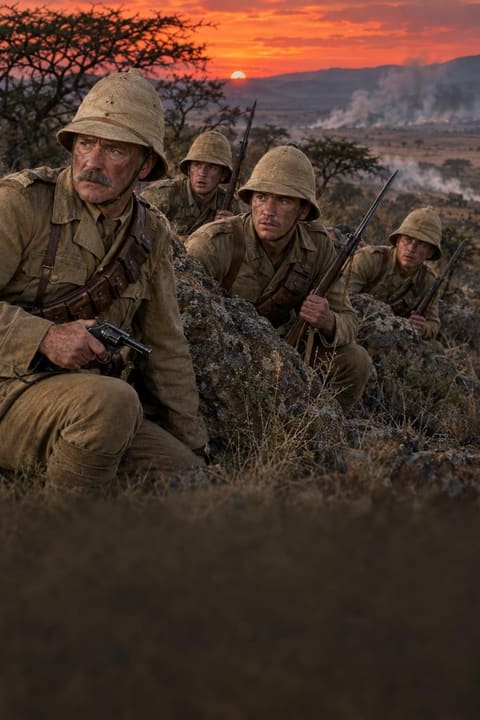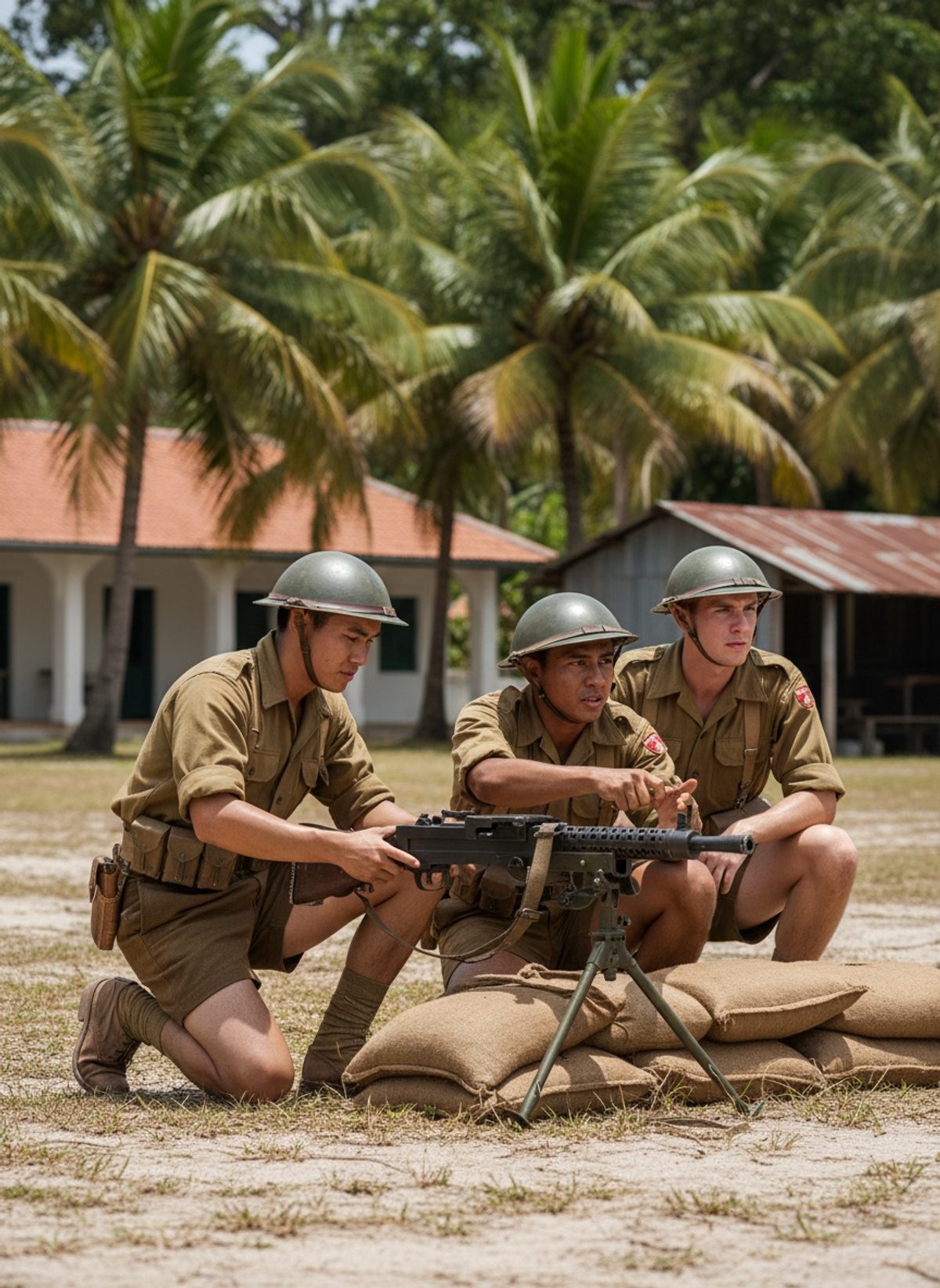
The Singapore Volunteer Force trained tirelessly for a defensive stand on an island they believed impregnable. Little did they know, their efforts were in vain.
Holding the Lines with Hope
In the humid days of November 1941, echoes of thunder rang across the sprawling fields of Singapore—not from rain, but from the relentless drills of the Singapore Volunteer Force. The men, a motley crew of locals, expatriates, and anyone who rose to the call of duty, fired Lewis guns with gritty resolve.
They believed in their fortress, as reassured by their British overseers, each gunshot a testament to their commitment. The stark reality, however, lay beyond their sight and comprehension. Across the waters and over the jungles, the Japanese army was already setting its relentless course toward the Malayan Peninsula, preparing to shatter the illusion of invincibility.
As they practiced, the volunteers bore the insignia of their hopes and those of a colonial power that clung desperately to its diminishing empire. Singapore itself was viewed by the British as the "Gibraltar of the East," a symbol of their indomitable presence in Asia.
Read next: When a Schoolboy's Doodle Nearly Unmasked D-Day's Secret
The guns they handled were conspicuous in their archaic design, almost metaphorical relics of an era just past, yet steadfastly shouldered by these men. Each drill unfolded with procedural precision, the rhythm of mechanical clicks mingling with the tropical cacophony—a blend indicative of such times. But beneath the surface of these war games was an uneasy undercurrent, a sense that not all cards were on the table.
The volunteers were primarily tasked with coastal defense, not knowing their true adversary would strike not from the sea, but from the north. In the late afternoons, as the sun set behind the lush forestry, the men debated tactics and logistics.
Yet, even as they ran their drills, a question hung unanswered: why no one admitted the daunting possibility of a more formidable force approaching from the peninsula. For young men who had tied their livelihoods to the empire, uncertainty clouded the horizon, though words of reassurance routinely fell from command as sure as the bullets from their muzzles.
The Fabled Walls Come Crashing
The bitter winds of December hardly cooled the fervor of preparation. Concealed behind the grand facades of British confidence were whispers of troop movements, fleeting reports of fallen cities up north—the symphony of an impending demise crescendoing to be heard only to those who truly listened.
By January 1942, the Japanese had surged through Malaya, and the volunteers found themselves abruptly thrown into frontline conflict, their drills an inadequate prelude to the full horror of battle. If the fortress of Singapore was a tale in stone, the Japanese siege was its swift erosion.
As Japanese forces thundered closer, the ill-fated volunteers suddenly became privy to a dire reality. Imagined scenarios of naval warfare faded with the crack of artillery fire and the drone of enemy aircraft. Stories from evacuees painted stark pictures of decimated landscapes and overrun defenses. Yet, amidst chaos and evacuation orders, the volunteers stood firm at their posts, obligated by duty to protect a cause that even the staunchest advocates now viewed with doubt.
The myth of Singapore's impregnability shattered under the relentless advance of the Japanese 25th Army, led by the audacious General Yamashita. The ingenuity of their blitzkrieg-style assault left Singapore reeling day by day, the grand tactics of British defense planners unraveling under pressure.
Read next: When the Kabul Garrison Marched Out and Never Came Back, 1842
The city's infrastructure, robust and modern, became a stage for human resilience and tragic folly. Every street saw desperate measures to repel the aggressors, the volunteers igniting Lewis guns again, but now against a grim specter they hoped to never face.
The Silent Echoes of An Era Lost
By February, the final act unfolded with startling swiftness. Leading up to what would unfurl as the largest military capitulation in British history, the surrender of 85,000 men, the remnants of the volunteer force symbolized more than a tactical failure—they embodied a poignant narrative of misplaced faith. Singapore fell with harrowing brevity, reducing elaborate schemes and resolute oaths to mere echoes against the unstoppable tide of history.
As Singapore’s gates succumbed, the lessons left behind weren't simply of military strategy gone awry, but of an empire’s overconfidence. The textbooks may gloss over this detail with stark brevity, but within the cannonade of defeats was a gradual awakening to the fragility beneath the veneer of empire. Those volunteers, who had believed in and trained tirelessly for the defense of their island home, were left grappling with the futility of their sacrifice.
What was the import of such preparation—was it mere footnote or a crucial turn in the recognition of unwelcome truths? The staggering realization of human fallibility? Or perhaps a catalyst in the inexorable march toward decolonization? Looking back, those fateful ten weeks in Singapore illuminate broader threads within human history—a dramatic narrative not just of fallen walls but of shifting tides, where even the mightiest of fortresses can dissolve into legends untold.