Frederick Lugard was not a man exhausted by adversity. He thrived in it. Born under the blazing Indian sun, he found his destiny not in England where he was raised, but under the equally scorching skies of Africa—specifically, in the ancient and yet rapidly changing realm of West African politics.
By the summer of 1894, the world stage was embroiled in what would come to be known as the Scramble for Africa. European powers were carving up the continent with little regard for the rich tapestry of kingdoms and cultures already thriving there. Amidst this chaotic land rush, famed diplomatic and colonial luminaries often oversaw grand escapades involving great armies. But Lugard, ever the unconventional figure, embraced a different approach. With nothing but his determination and an interpreter, he embarked on a mission that would alter entire maps: a solo expedition to sign a treaty with the Kingdom of Nikki before the French did.
Kingdoms like Nikki were not mere footnotes in history but key players in the region, sought after by European empires for their strategic locations and potential for trade, resources, and power. At stake was not just land, but influence and the very power dynamics of an entire continent. Sitting squarely in the crosshairs of French and British ambition, Nikki became more than a village on a dusty map; it was the epicenter of a geopolitical chess game.
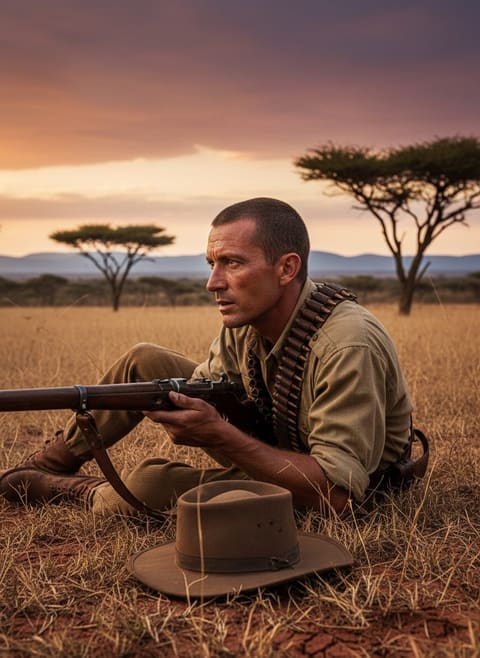
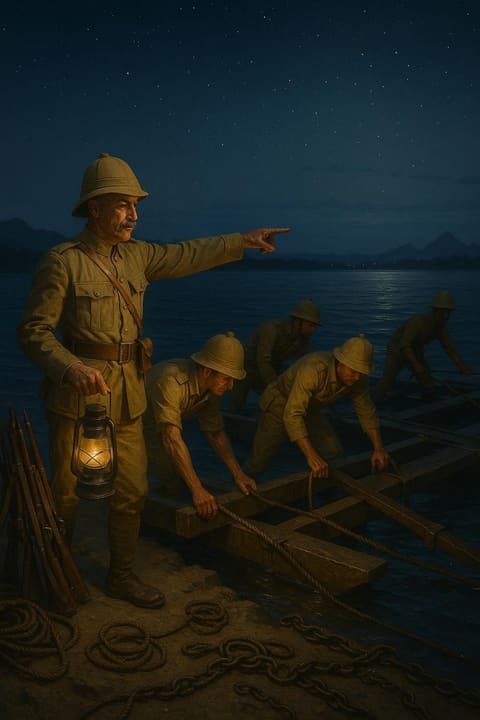
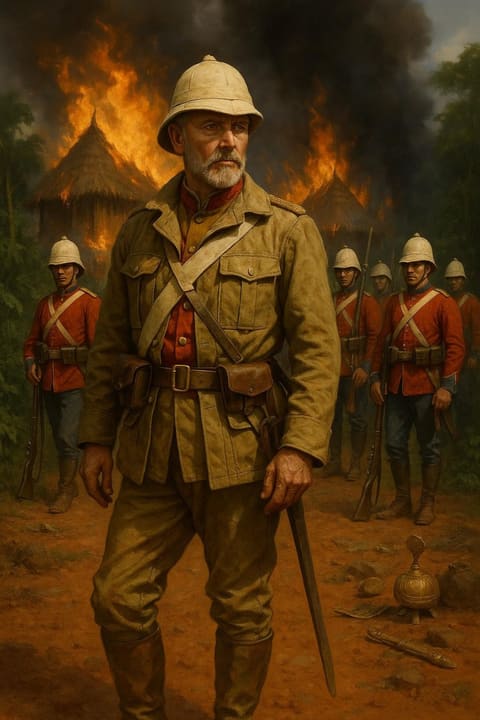
Lugard’s journey into the unknown began in August 1894. He was no stranger to the arduous trek through Africa’s fever-ridden terrains, as he had spent much of his life traversing the continent. This mission, however, was particularly fraught. Strikingly, he carried no military escort, a decision both courageous and dangerous. Perhaps his time in military school at Sandhurst, where he learned the essence of strategic boldness, had steeled him for such quests. Or perhaps it was a deeper conviction in his ability to negotiate through understanding, an ability rare among his contemporaries.
Read next: When Samuel Baker Knelt Before the Khedive, 1869
On horseback, Lugard plunged into the mysterious lands stretching before him. The air was thick with the aroma of dusty earth mingled with hints of unfamiliar flora. His interpreter by his side, he traversed lands where the deep silence was occasionally punctuated by the rustle of distant wildlife or the rhythmic beats of native drums echoing from unseen villages. Fever country was a term well-justified, and the threat of illness was constant, entwining with the palpable sense of pursuit by the shadow of French forces just two days behind.
The journey from the British outpost to Nikki was an exercise in endurance. The terrain was varied, punctuated by lush forests that suddenly gave way to arid plains, a mosaic of Africa's natural grandeur. Heat bore down ferociously, and every mile seemed to challenge his resolve. It was here that Lugard's early life lessons forged in the schools of England and on the plains of Africa served him well. He had learned to see the land not just as terrain to be crossed but as an ally in his quest—a source of sustenance and strength.
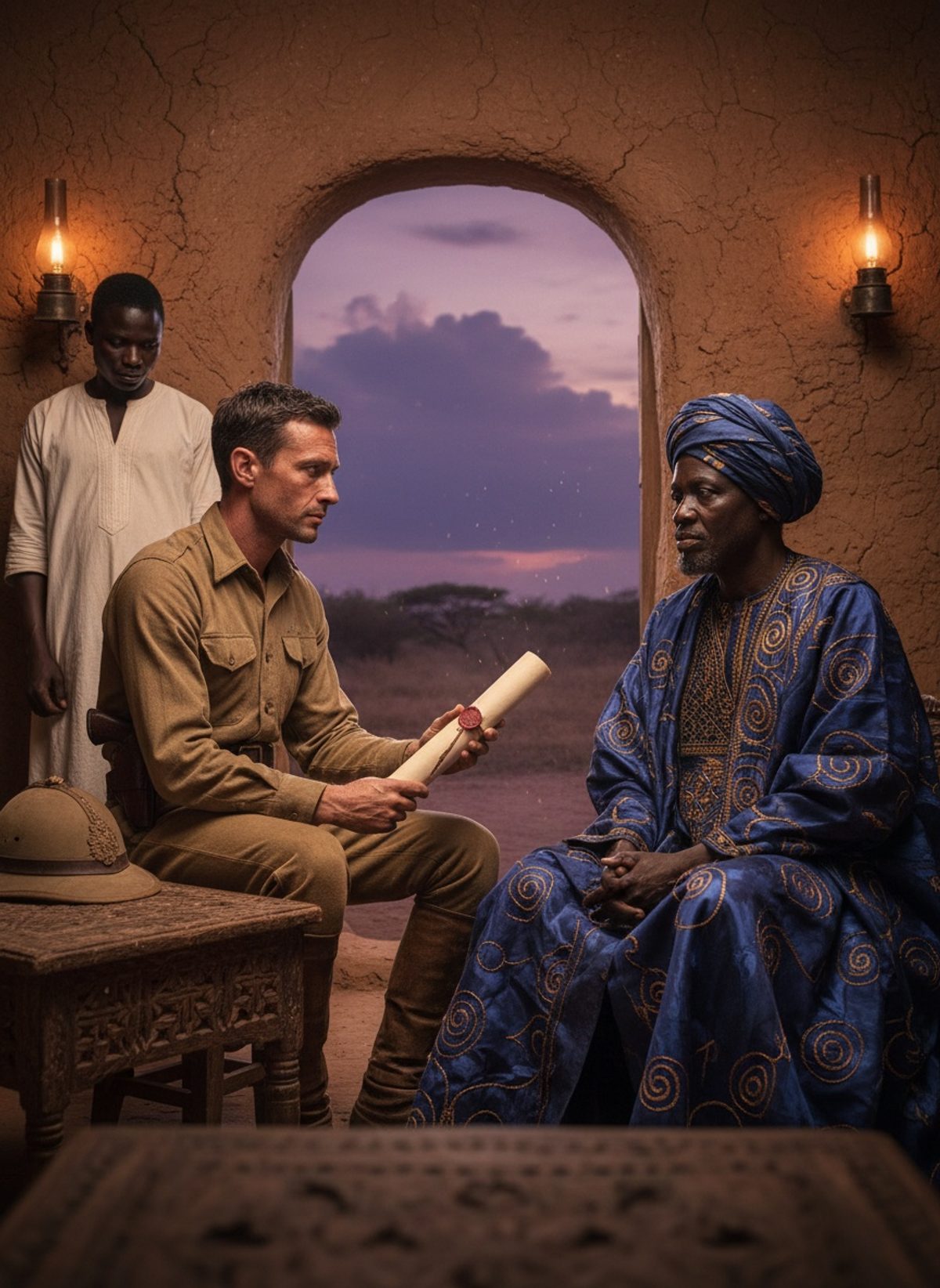
Arriving in Nikki was no less momentous than the journey itself. Crowned by an opulent yet understated palace, the capital was a bustling node of trade and culture. Streets pulsated with local colors, the air vibrant with languages weaving stories through the hot afternoon sun. Here, Lugard knew, was the crux of his mission. The treaty itself was a document plain in appearance but rich with geopolitical weight. It was a parchment of promise, a symbol of Britain’s intent to annex yet another portion of Africa, and thus, by extension, an assertion of Lugard's own negotiations.
Read next: When Samuel Crowther Preached in Yoruba Before a King, 1857
With hesitant yet commanding steps, Lugard presented himself before the ruler of Nikki. He did not wield the intimidating presence of an armed column but rather the far more formidable power of diplomacy and audacity. The moment was pregnant with expectation. As he and the king exchanged words through the interpreter, a mutual understanding took root. Lugard’s strategy lay in respecting the King of Nikki’s sovereignty and sense of tradition while skillfully interweaving the threads of allegiance to the British crown.
His success was not merely a product of cunning but of earnest diplomacy. The signing of the treaty was both quietly profound and historically resonant. Lugard had understood that this was more than securing a tract of land; it was about forming a relationship, laying the foundation for unified Nigeria under British rule whilst respecting the individual power of the local kingdoms.
As news of his success rippled outward, the French arrived too late to claim Nikki, marking a turning point in the colonial contest for West Africa. Lugard's lone endeavor had significantly altered the balance of power. His achievement was a testament not to brute force but to the deft blending of insight, skill, and diplomacy, echoing throughout Europe’s diplomatic salons and earning Lugard an indelible place in the sprawling saga of Africa's colonial history.
In its sweeping brushstrokes, history often overlooks the nuanced portraits of those it paints, masking the individuals behind the grand epochs. What Lugard achieved in Nikki serves as a glimpse into how individual actions can drive continental shifts. His story prompts modern reflection on those who wield power, reminding us of the silent partnerships and compacts crafted in the backdrops of history’s grand theaters. As Africa continues to shape its own destiny, looking back at Lugard’s lamp lighting the shadows at Nikki reminds us that the map's borders aren't just lines—they're tales of tenacity, ambition, and the relentless march of time.