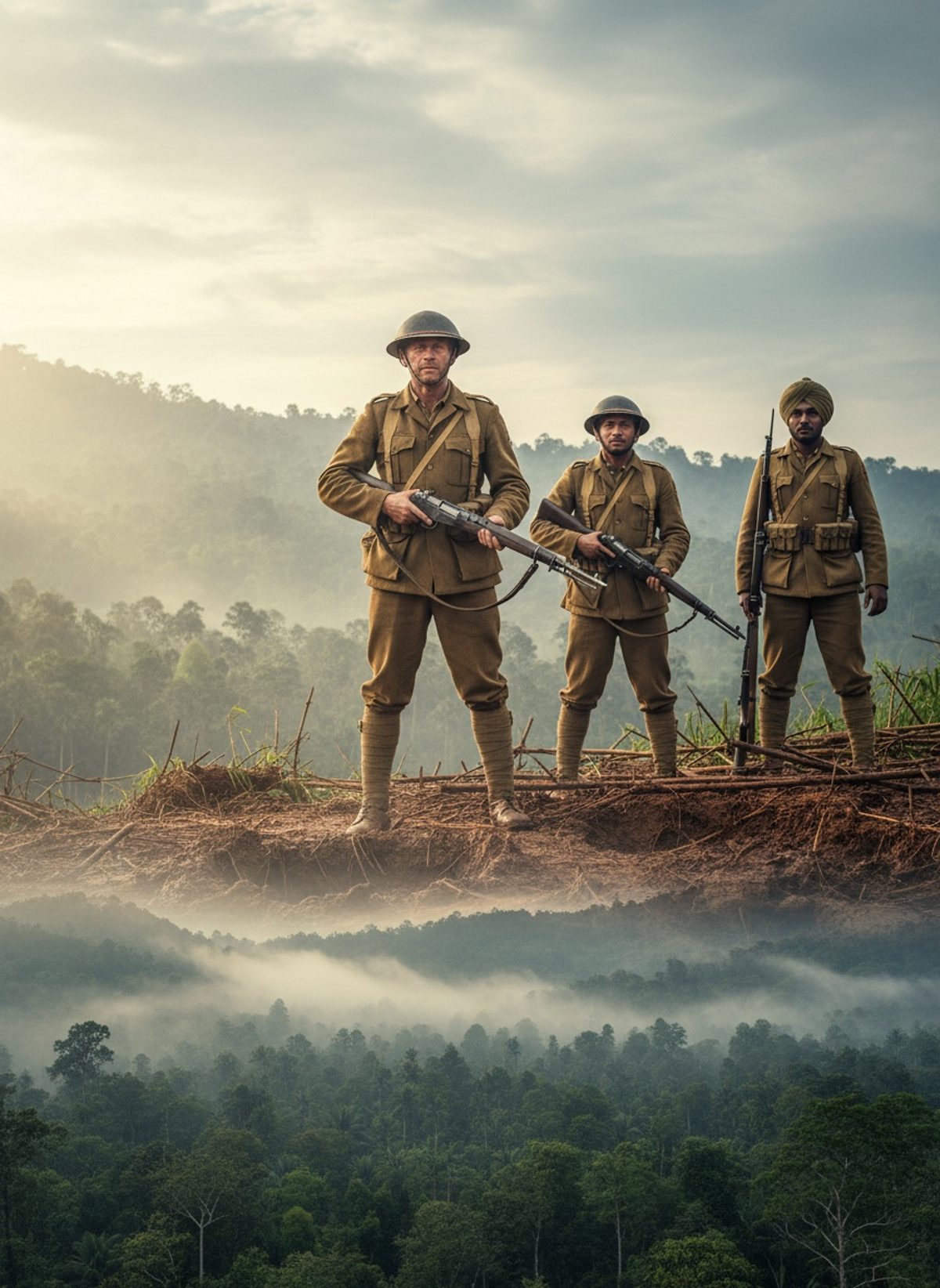
He was the mind behind one of the most daring raids of World War II. Yet, Major Herbert "Blondie" Hasler had never named his canoe before December 1942.
The Unseen Approach
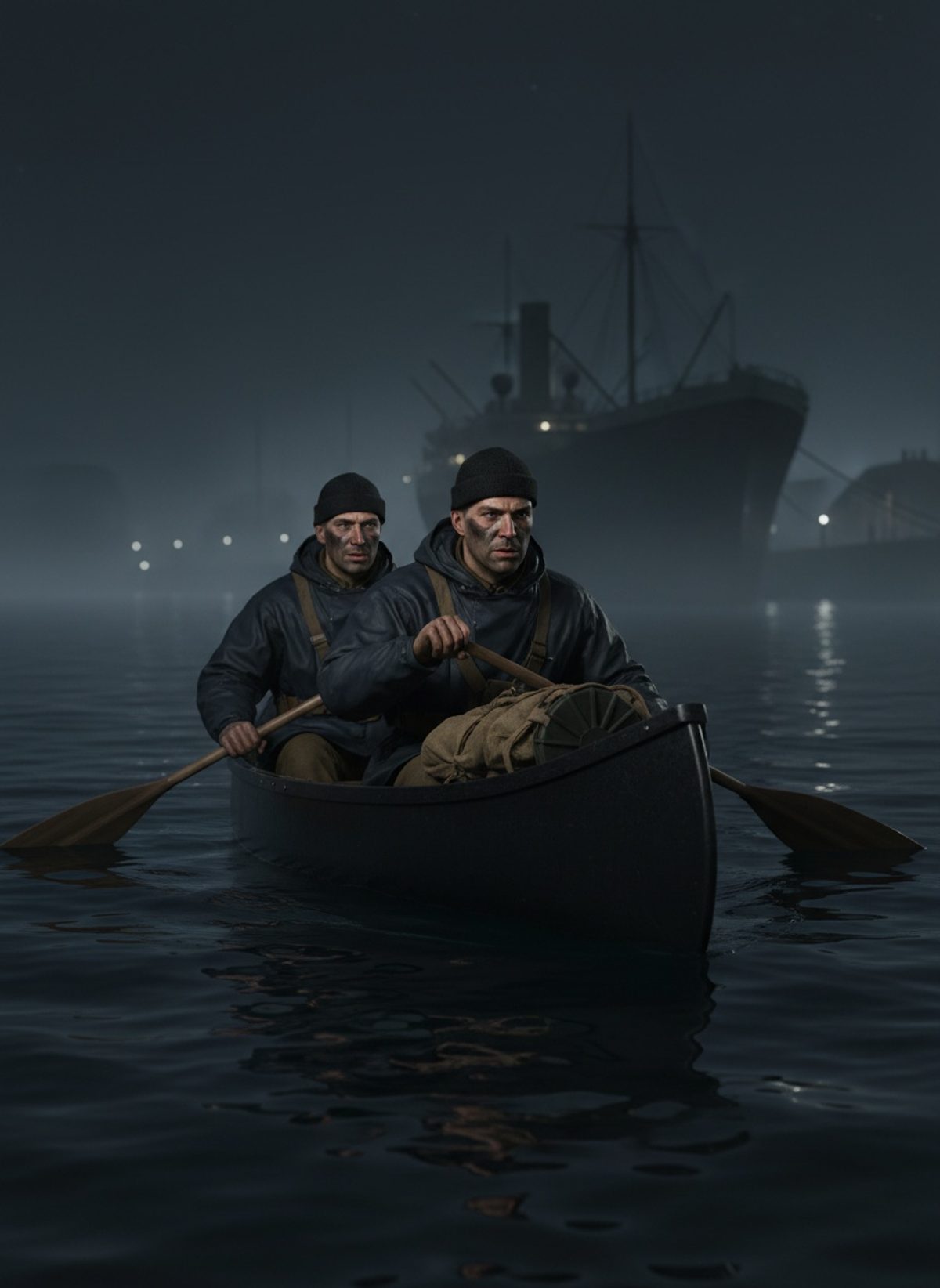
It was in the cold, shadowy waters of the Gironde estuary where the improbable began to take shape. Twelve rugged Royal Marines embarked on an operation cloaked in secrecy and risk. Their mission, known as Operation Frankton, aimed to deliver a crippling blow to the German supply line by sabotaging merchant ships docked at Bordeaux. The strategy itself was audacious enough to reside somewhere between brilliance and madness. Shepherded by the steadfast Major Hasler, the men relied on stealth over brute force, intending to paddle their way to success in specially adapted canoes, or "cockles," under a veil of darkness.
The marines launched from the submarine HMS Tuna, which had brought them as close as it dared. Six canoes set out on the night of December 7, 1942. A startling fact for many is that their small, fragile vessels cut through the water at a torturous pace, made more gruelling by the winter chill and the threat of discovery. The Germans had fortified the French coastline with precision; readiness was their trump card. No one expected an incursion via shallow-draft canoes. In this way, Hasler's men tugged at the seams of improbability, hoping to unravel a strategic advantage.
The journey itself was a masterstroke of endurance. The marines were not merely fighting the tides but battling exhaustion and exposure. Paddling through icy waters in near silence required every ounce of their resolve. Soon, adversity arrived swiftly when two canoes were lost, and tragedy loomed as two marines drowned. The survivors pressed on, driven by the weight of their objective, facing nights devoid of comfort, wrapped only in determination and necessity.
Read next: When HMS Pathfinder Sank in Nine Minutes, 1914
The Strike Under Moonlight
The night of December 11 signaled the culmination of their daring approach. Of the original twelve, Hasler and his men executed the assault with the precision one might expect of a campaign stage-managed down to the last detail. Guided by cut lines and cloak-and-dagger techniques, they planted limpet mines on the vulnerable hulls of their targets.
As the ubiquitous strands of night stretched over the ships packed into Bordeaux, the marines' assault was soundless, but the results were thunderous. Explosions rippled through the port, crippling vessels that fed the German war effort. Kits bristling with mines carried tidings of destruction at the unrevealed hands of the British raiders, ensuring a delay in operations that no naval command could ignore. Amidst the din, the unspoken truth was felt—courage can be wrapped in human fragility and yet wield the influence of monstrous steel.
Even in their success, the price was harsh. The six remaining raiders, stranded and pursued, had a stark choice: fight or flee. Some were captured and the rules of the battlefield were barbarically broken; the Germans, overlooking the honorable combat of their adversaries, executed them with chilling efficiency. The Geneva Conventions were ignored in the brutal aftermath, adding another layer of grim sacrifice to the marines' legacy.
The Paddle Back to Freedom
Left with no choice but to trust in their luck and audacity, Hasler and Marine Bill Sparks, the last unscathed survivors, began their trek back to Britain. The two men navigated an escape filled with ephemeral danger. Guided by an almost mythical perseverance, they traversed endless obstacles, from searching enemy patrols to foyers of hope in the unlikeliest allies. Here, the unseen hands of local resistance networks played their part, pulling Hasler and Sparks from the jaws of certain capture.
Their journey was far from direct, rather a patchwork of evasion and daring bravado, each twist layered with tension. It was in those moments that the spirit of Hasler's command revealed itself in its fullest form. Every step taken, every hill forded, was measured against the balance of war’s unofficial ledger and a hope to tell their tale.
Eventually, the strain broke, but their resolve did not. Hasler and Sparks saw the last guardian shadows of occupied France slip behind them, weary and yet alive. Their final return was not greeted with bells, nor with the immediate recognition of heroics. Instead, it was the quiet lull of men who had returned from the brink clutching nothing but the tale of a daring raid and a testament to human resilience.
Operation Frankton might lie between the fame of grand battles and succinct entries in the annals of history, but its echoes resound with a reminder—that courage is not always met with a parade but can pivot the pulse of a war. The unseen ripples from Bordeaux served notice that the audacious acts of a few could indeed shift the course of nations. In commemorating those who went silently unto the estuary, we remember that even when the textbooks omit, the truth of bravery lingers—etched in the waters they once paddled under moonlight.