He held the high ground, or so he thought. But a hidden danger awaited him under the cloak of darkness.
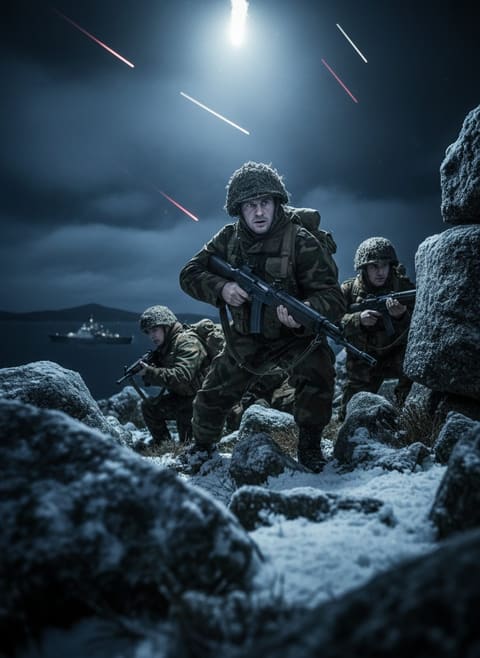
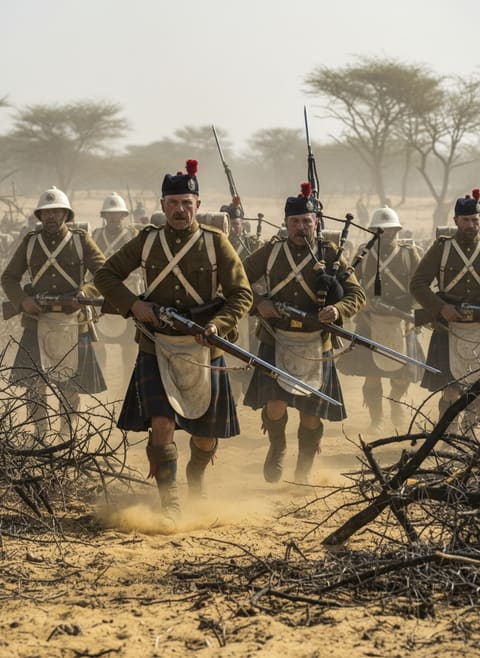
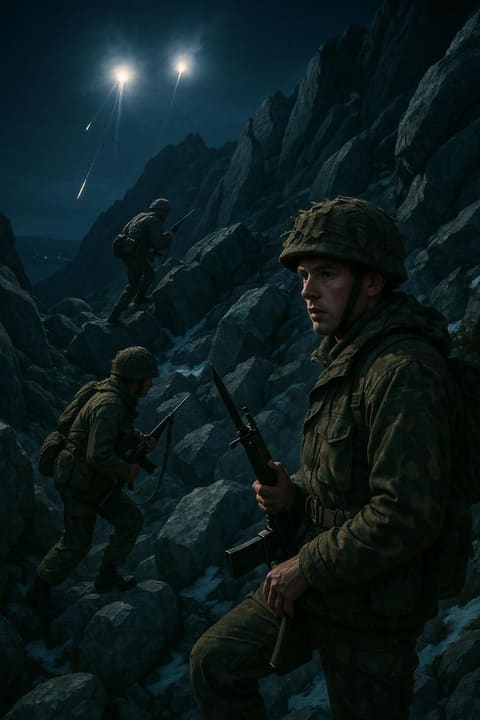
As January 24, 1900, dawned on Spion Kop, the spectral echoes of war wove through the early morning mist. In the pre-dawn hours, a British contingent clambered up the unforgiving incline in silence, their boots rasping against the rocky soil. They had set out on a fraught journey, confident this high ground would offer them an unassailable vantage point over the Boers' fortified positions below. Little did they know, the summit to which they ascended with such audacity turned out to be a shallow, exposed plateau encircled on three sides by the enemy. It was not the stronghold they had hoped for but rather a precarious trap waiting to be sprung by the first light of day.
The passion of the soldiers lay thick in the air, mingling with the smoke from gunfire that erupted as day broke. The British forces soon found themselves at an extreme disadvantage; their foes had deftly maneuvered artillery into advantageous positions beneath their nose during the dead of night. The strategic error became chillingly apparent as the sun unveiled the bloated potential for tragedy that lay around them on every front. The vast expanse of the South African veldt revealed itself as a killing ground, pocked with barricades and enemy encampments stretched along the rise of the surrounding hills.
As the morning progressed, gunshots punctuated the tense silence, a cacophony of despair echoing among the ages. The British force, under the leadership of officers who found themselves thrust into a tactical quandary, struggled to maintain their grip on this unenviable patch of earth. The Boers, astutely recognizing their advantage, assailed the hilltop with relentless artillery fire. Heartbeats quickened under the steel rain that poured its fiery wrath upon the gathered soldiers, each man a sentry to his own doom.
Read next: When the Empire Promised Its Dead an Equal Grave, 1917
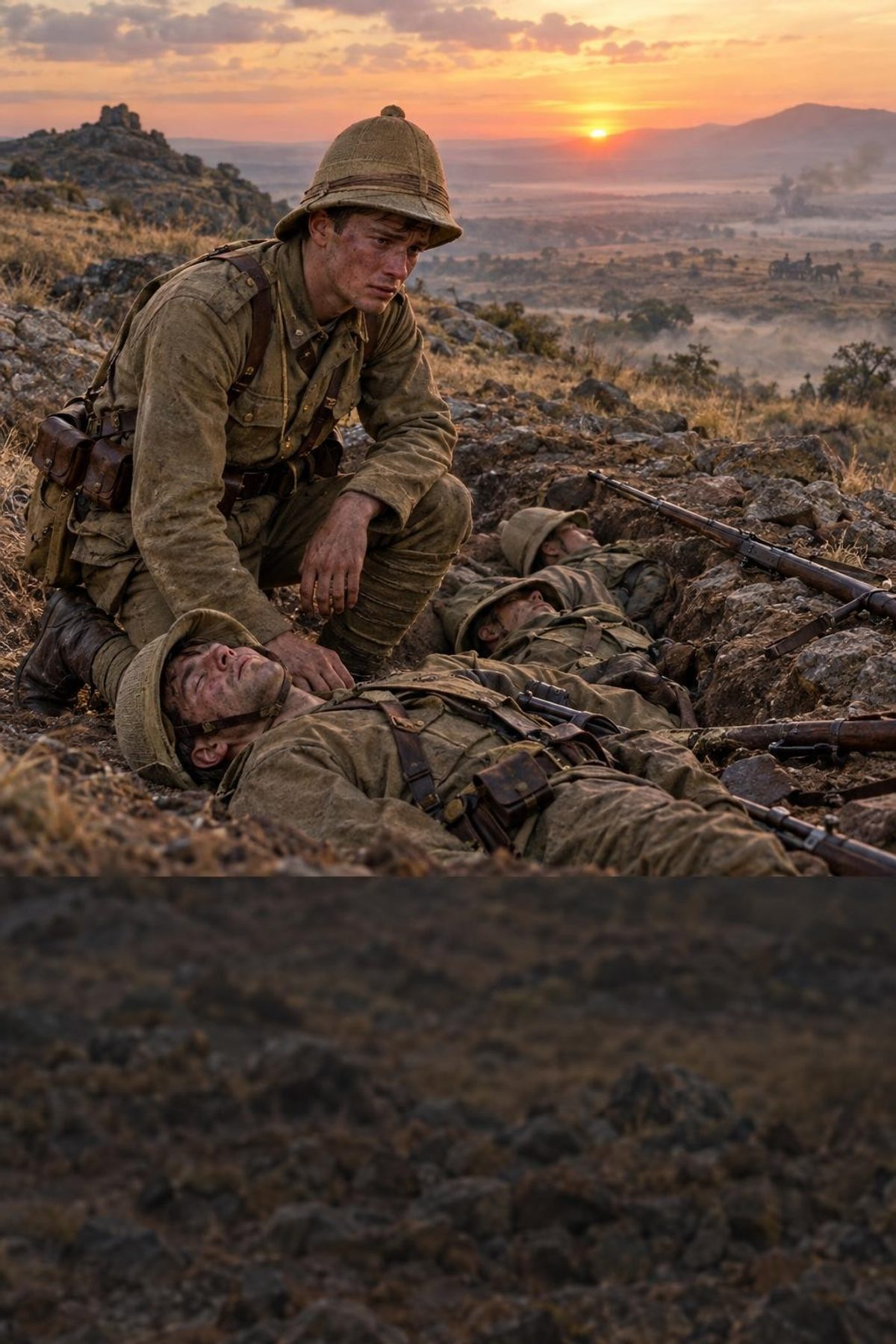
The men of Spion Kop, ordinary soldiers bound by duty and the bonds forged in the inferno of battle, displayed profound courage in the face of overwhelming odds. They took to their trenches, if one could call them that — the shallow rock-strewn ditches barely offering respite against the onslaught. The sweat of desperation mixed with the dry dust of the landscape, turning copiously to mud beneath unyielding soles, making the ground a frothy blanket of anxiety and dreadful anticipation.
Caught in the maelstrom of chaos, some survivors recalled the clamor of shouted orders and the bracing sound of the bugle over the din of conflict. This musical clarion seemed oddly out of place, a hastily scribed hymn against oblivion's deadly march. As bullets whizzed and shells unfurled, the command to retreat was finally relayed, albeit too late to save many of the souls ensnared on the crest of Spion Kop.
The bugle's haunting melody, known as 'The Last Post,' signaled a final farewell to the fallen in this tragic theater of war. The call, typically reserved to honor the sacrifices made, carried an added weight on this day, resonating as a solemn homage to their bravery and the futility of their end. For the 243 men who perished—ranging from fresh recruits to seasoned campaigners—Spion Kop marked not just a geographical point but a terminal brush with valiance against the unforgiving twist of fate.
Read next: When Diwali Lit Up the Trenches of the Western Front, 1915
This moment in history, though brief, encapsulated the broader reality of the Boer War itself, a conflict marked by guerrilla tactics, colonial ambitions, and the often-overlooked bravery displayed on both sides. The savagery of that single day etched memories of inconceivable gallantry and heartbreaking loss onto the craggy hilltop, ensuring that the names and deeds of those who stood firm would not drift away like dust on the afternoon wind.
Today, Spion Kop remains a testament to the complexity of war and the costs exacted by human error. It reminds us how strategy and hubris often collide with dire consequence, a warning to all who might underestimate the land's lay or the resolve of one’s adversaries. Encapsulated in soil and stone lies a legacy, calling out through the annals of time to offer silent witness to this tale of innovation, error, steadfastness, and remembrance.
A single day at Spion Kop may have been brief, yet its magnitude compels us to reflect on the broader scope of conflict and the paths forged through sacrifice and service. Within the echoes of that lonely bugle cry, we hear a clarion call to remember that even the unstoppable machine of war cannot fully veil the roots of humanity and courage. For the men of Spion Kop, their indelible mark on history continues to resonate, urging each generation to pay heed, to learn, and above all, to cherish the costly peace bequeathed by those who came before.