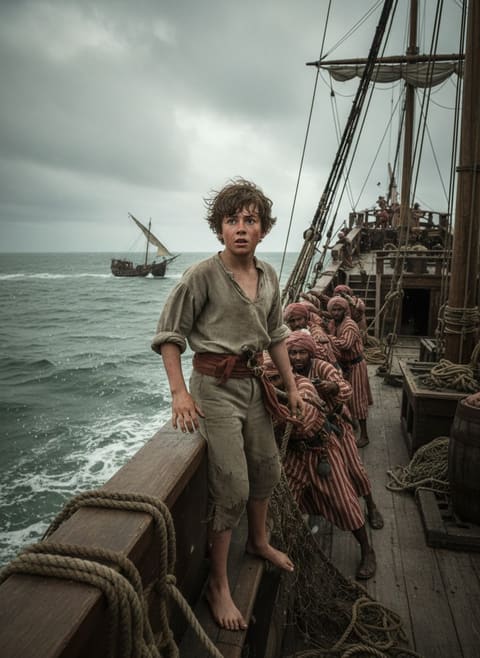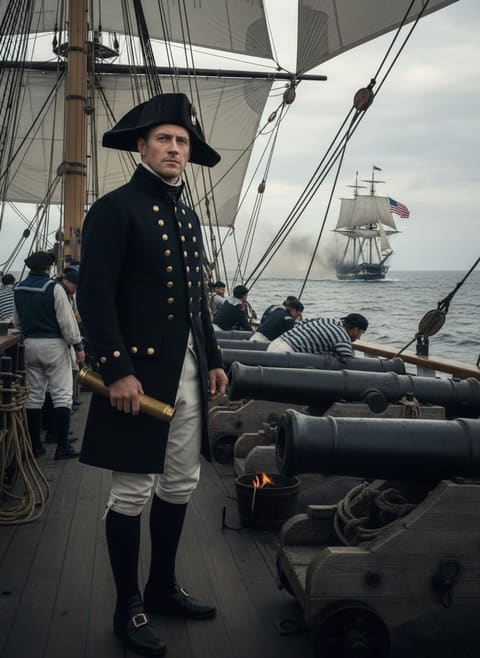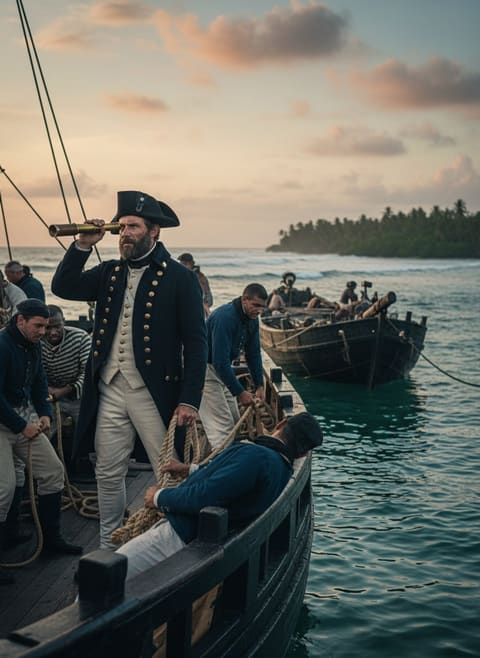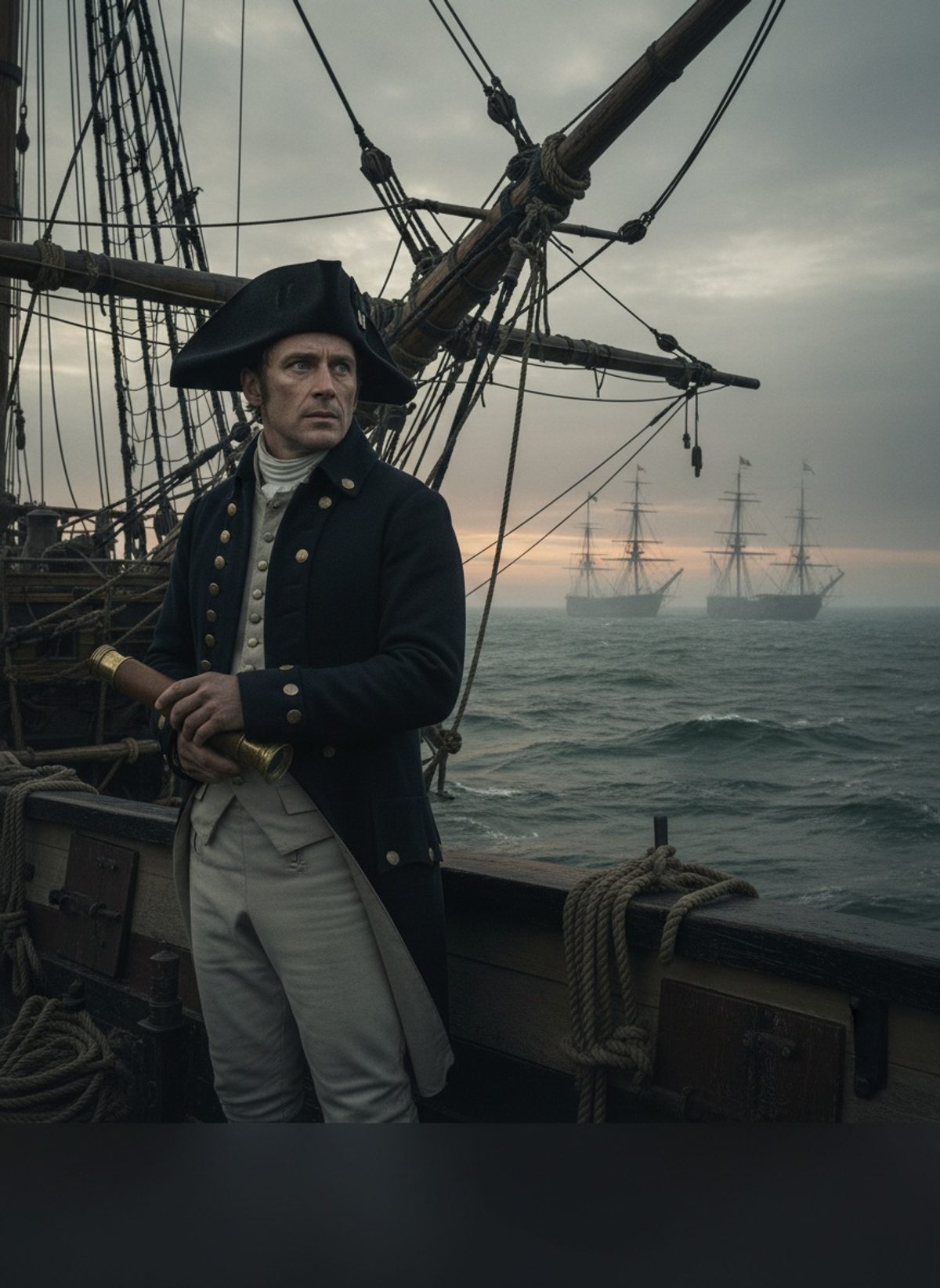
The horizon was a blur of grey and salt as HMS Euryalus ploughed through the Atlantic swells. The November sky pressed down, thick with looming clouds, mirroring the taut emotions on deck. Against the mournful cry of gulls and the relentless hiss of the sea, the British fleet braced for what lay ahead. Just weeks earlier, they had shattered Napoleon’s naval might at Trafalgar, a triumph etched in the annals of maritime history. Yet, the journey home was a somber odyssey, marked not by jubilation but by an austere absence: the hero of the hour, Vice-Admiral Horatio Nelson, was dead. The task of leading the weary victors home fell, unexpectedly, to Captain Henry Blackwood.
The Day After the Guns Fell Silent
The morning after Trafalgar dawned bleak and weary. The deck of the HMS Euryalus, splattered with salt and the remnants of battle, was now a patchwork of weary movement. This was no time for complacency; the victorious but battered fleet faced a new set of challenges. Amidst the broken skeletons of vessels, Captain Blackwood took stock of his charge. The cacophony of warfare had given way to the sibilant whisper of the wind, carrying with it the smell of charred timber and the lingering scent of gunpowder. But more pressing than the physical ruin was the shadow of loss. Admiral Nelson’s death cast a long, unmistakable pall. The fleet had triumphed, but the architect of their victory had paid the ultimate price.
Caught in the Gale’s Grip
The Atlantic does not forgive the unprepared, and scarcely had the fleet settled on a course before a storm system began to brew. Blackwood, an experienced sailor but newly burdened with unexpected responsibility, navigated the growing tempest like a phantom captain guiding ghostly ships. The sea turned tumultuous, casting up waves that battered the hulls and threatened to unmake their hard-won gains. Each ship, a testament to sacrifice and endurance, now fought against nature’s leviathans. Through piercing rain and howling winds, Blackwood’s voice, firm and unyielding, cut through the chaos. His orders were clear, a steadying force that urged the men to lash down all remaining sails for fear of losing their old canvases to the gale’s fury.
Steering Through the Silence of Grief
Amidst the tangible dangers lay a more intangible burden—grief. HMS Euryalus, under Blackwood's command, bore not only the legacy of victory but also the palpable weight of loss. Silence settled heavily over the men, a stark counterpart to the raucous storms. Conversations were hushed; duties performed with a quiet reverence as sailors mourned Nelson, a figure revered and beloved. His leadership had been a beacon, guiding them through the very fires of combat. The knowledge of his absence was a silent thread woven through every action, every decision. Blackwood, carrying his own sorrow, found solace in his duty— a line of decisions that had to be made to shepherd the fleet safely home. The silence they sailed through was louder than cannons, an homage to the fallen admiral with every nautical mile gained.
Threading the Needle of Fate
It became an intricate dance of precision and fate, threading through the eye of storms and the siren call of the coast. Captain Blackwood charted a course that was less about conquest and more about consent, nodding dutifully to the whims of weather and the sea’s unyielding embrace. This passage was not a triumphant return but a careful threading of the needle, guiding a fleet cobbled with survivors eager yet reluctant, their eyes turned towards home as a sanctuary scarred by absence. As they approached the English Channel, the gentler waters belied the hardships endured. The wind quieted; the grey seas flattened to a begrudging peace. Here was the final leg, where broken ships and men clung to the hope of shore.
Read next: When HMS Dreadnought Sailed and Made Every Warship Obsolete
A World Awaits Their Return
The docking of HMS Euryalus and the battered fleet was an event both quiet and monumental. England awaited them with bated breath. Yet, this was not conventional triumph. In the absence of ceremony, there was reflection—a collective reckoning with what had been won and lost. Blackwood’s actions, while devoid of flourish, spoke volumes in navigating not only the physical voyage but an emotional voyage as well. His tenure as commander on this arduous journey perhaps foretold a changing era, one that asked not for glamor but grit. The story of HMS Euryalus is a testament to resilience amid loss, speaking to the truths we often omit from textbooks.
In our remembrance of Trafalgar, the victory and valor remain vibrant, yet the voyage home, largely unsung, whispered of burden, leadership, and the silent, steadfast steps taken by those who grapple with the aftermath of great deeds. It serves as a poignant reminder that triumph in history is a sea navigated not only by those who lead the charge but also by those who manage the aftermath, guiding weary ships and souls safely to the harbors of history.