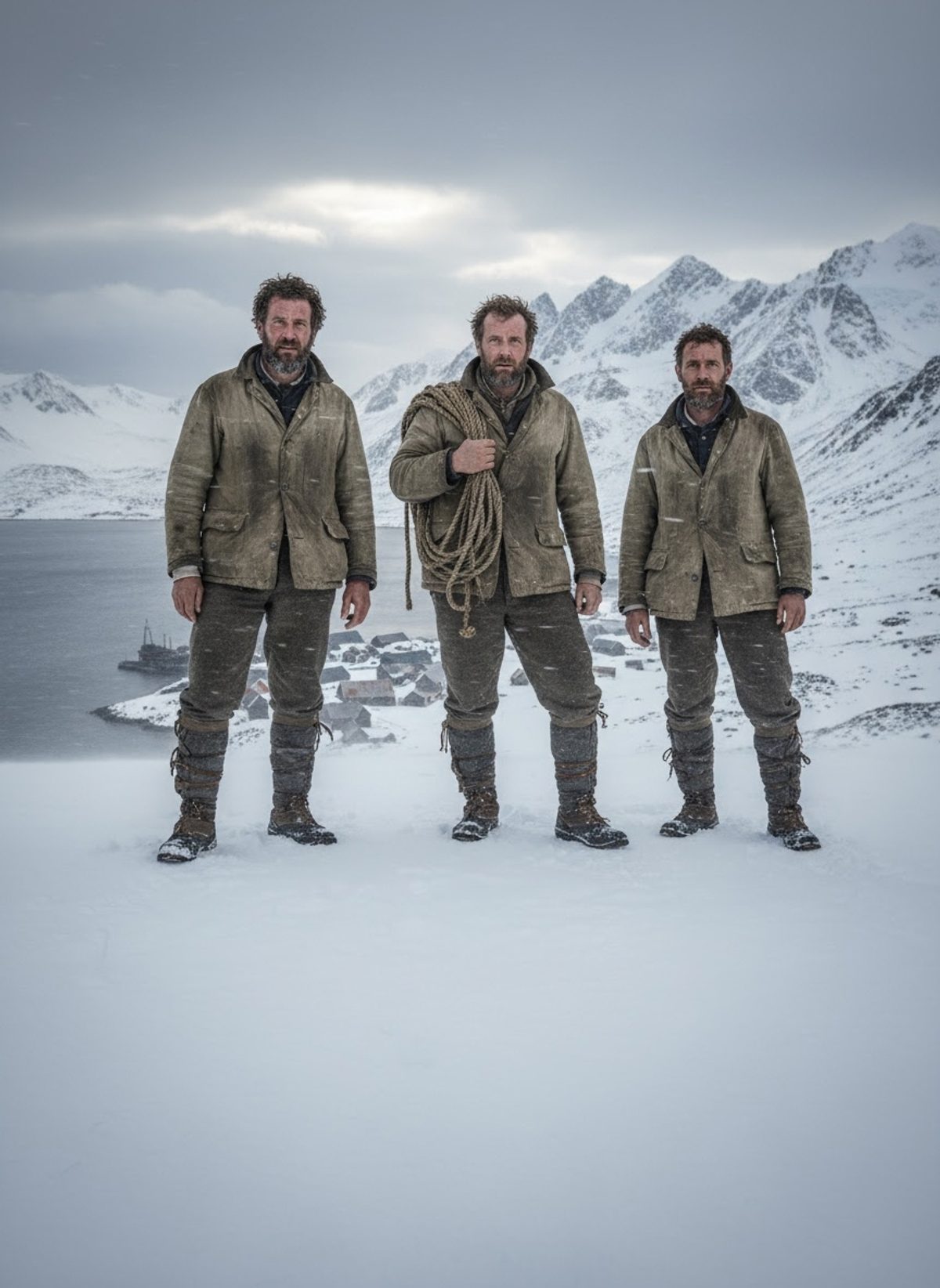
May 1916. The wind howled over the jagged peaks of South Georgia, a desolate whistle across the uncharted glaciers.
The Journey Begins
The tale of Ernest Shackleton's return to a world he feared lost is one of improbable endurance and extraordinary bravery. Shackleton, alongside Frank Worsley and Tom Crean, stood against the unforgiving elements of the Antarctic wilderness after their expedition had strayed into catastrophe. They were part of the Imperial Trans-Antarctic Expedition, aiming to cross Antarctica via the South Pole. Instead, they became marooned when their ship, the Endurance, was crushed by pack ice.
Faced with isolation on Elephant Island, the men knew rescue was a desperate imperative. With twenty-two others waiting and waning, Shackleton devised a daring plan. He would brave the sea in a lifeboat. He, Worsley, and Crean embarked on an odyssey of 720 nautical miles in a boat named James Caird. Their target: the whaling stations of South Georgia, the promise of salvation beyond perilous waters. The journey itself was fraught, battling titanic waves and bitter cold.
Crossing South Georgia
Landing on the desolate shore after their harrowing maritime ordeal was no respite. The island's inhospitable terrain loomed—a rearing, ruthless landscape without paths. South Georgia's interior had never been mapped. Here, the trio faced overland a haunting uncertainty as great as the open sea. Fatigue weighed on them; their feet bled and their clothes stiffened with ice, yet they pressed on.
Read next: When the Church Militant Sailed to Africa and Planted a Cross
The heart of South Georgia comprises glaciers, sharp ridges, and treacherous descents. Navigation challenged even Shackleton's unyielding determination. Trusting intuition and the scant daylight, they trekked for what felt an eternity. At one point, descending a mountain in near total darkness, they risked a slide into the unknown to save precious time and energy.
Through brutal days, each man bore unuttered fears and hope's flicker. No man had traversed this wild hinterland, yet driven by survival's demand, they achieved what many deemed impossible. The somber hues of their journey crossed into the ideal: endurance epitomized, camaraderie forged by necessity and sheer will.
The Arrival at Stromness
The trio’s endurance epic reached its dramatic crescendo when they stumbled into Stromness, a whaling station perched at the edge of the world. Their arrival marked an astonishing passage; from the icy bowels of desolation, they emerged bedraggled, gaunt, and wrapped in desperation’s resolve. Their presence was, at first, spectral, as though ghosts risen from sea mist.
Confronting the station's manager, their countenance left a poignant mark. Though hardened by hardship as the man was, the sight of Shackleton and his companions wrought tears—a profound release, seeing survivors of such a harrowing ordeal. The men of Stromness were astounded: survivors of a saga fueled by sheer human fortitude, greeted by civilization's echo after an uncharted trek.
Read next: When George Everest Put His Name on the Roof of the World
Each of their words, scarce beyond breath at first, were imbued with urgency and determination, seeking aid for their stranded comrades. There was no time to mourn their own plight; efforts shifted instantly towards launching a relief mission, rekindling remote hope beneath Stromness's cold sky.
The Rescue and Return
The subsequent rescue efforts were spurred by Shackleton's relentless resolve, a mirror of their trials. Multiple attempts failed to breach the icy siege around Elephant Island, but Shackleton's doggedness would not falter. Finally, on the fourth try, the ship Yelcho, through quiet persistence, freed the surreal captives from their icy prison.
When the remaining twenty-two men were at last rescued, Shackleton had fulfilled his commitment—each man accounted for, brought back from the brink of oblivion. His saga, from the sunless rigours of an Antarctic wasteland to the eventually triumphant return, laid bare the essence of human resilience.
This story of survival reaches beyond history’s detail. It underscores a spirit that defies the bounds of geographic and human limitation. In enduring such adversity, Shackleton, Crean, and Worsley not only saved their fellows but also affirmed a profound ethos: the power of determination in the theater of the natural world. May their silent trudge into Stromness echo through time, reminding us that sometimes, the greatest expeditions are led not by triumph but by the unyielding march of the human spirit.