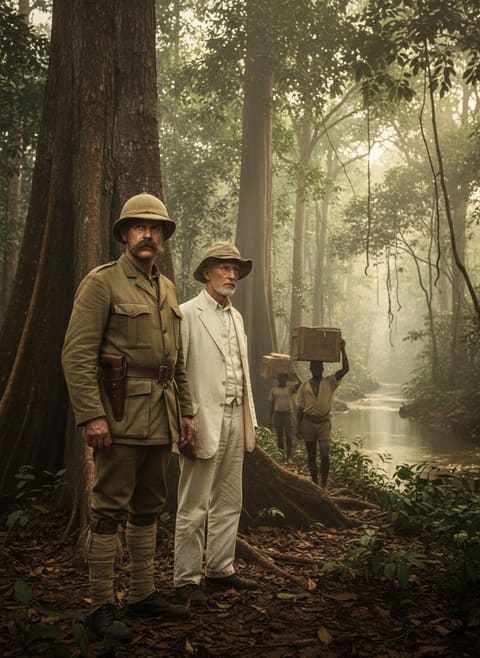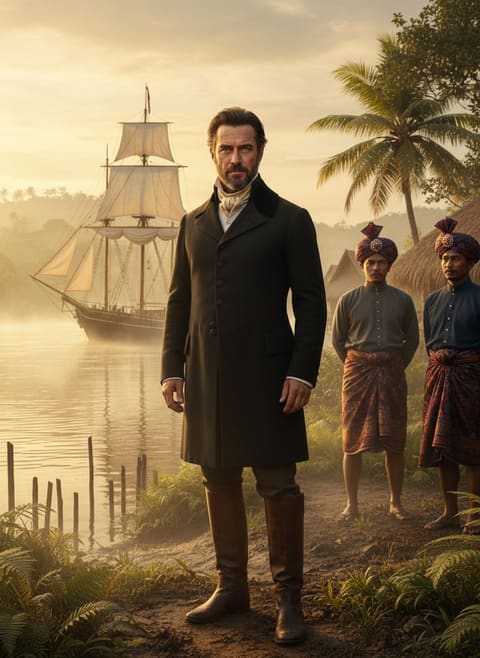
John Hanning Speke was not a natural explorer. His early years were not spent dreaming of distant lands or uncharted territories. Instead, his life was rooted in the disciplined regimens of a British Army officer, a man accustomed to the orderly chaos of battle rather than the wild unpredictability of Africa's heart.
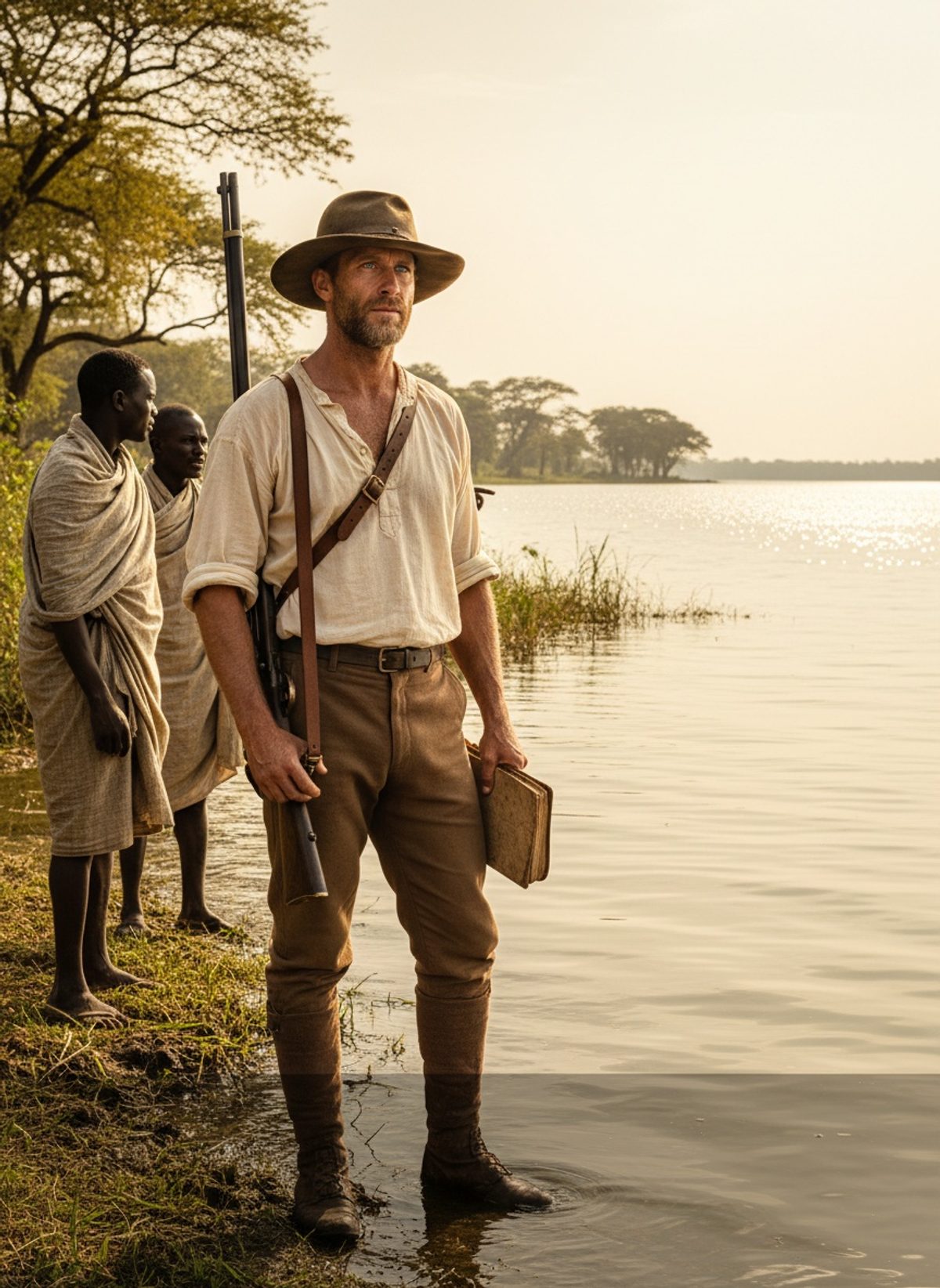
Yet it was on one intoxicating August day in 1858 that this unlikely figure stood on the brink of a monumental discovery. The Source of the Nile—a mystery wrapped in enigma for millennia—lay unfurled before him in the shimmering expanse of a grand African lake. He christened it Lake Victoria, after the reigning monarch. But that was not the point. Here, he surmised, the Nile's journey commenced—a bold claim that invited intense skepticism and heated debate.
Speke's journey was riddled with trials and tribulations, both natural and man-made. His African expedition was no gentleman’s leisurely tour; it was a grueling quest through territories unkind to the idle wanderer. Heat and disease were fierce adversaries, and if that wasn't enough, his trusted traveling companion, Richard Francis Burton, offered disbelief rather than camaraderie when confronted with the lake's majestic sight.
Born in 1827, a world far removed from the African terrain he would later traverse, Speke’s Victorian upbringing anchored him firmly in the conventional. His military life offered lessons in endurance, discipline, and perhaps a desire for something beyond routine—a yearning only a mystery like the Nile could fulfill. The source of the Nile had confounded many before him, from ancient pharaohs who built their civilization on the river’s bounteous floodplains to the intrepid explorers who charged themselves with uncovering its hidden origin.
Read next: When John Rae Brought Home the Truth About Franklin, 1854
Into this cauldron of challenges and aspirations stepped Speke, guided by little more than ambition and the allure of solving Earth’s most profound geographical riddle. As he stood at the lake’s edge, sunlight glinting off the water’s surface, Speke felt destiny in the air. The breath of history and the plethora of voices suggesting alternate visions of the Nile’s source suddenly quieted, replaced by an unmistakable sensation—certainty. It was a moment steeped in clarity, marred neither by the buzz of mosquitoes nor the creeping tendrils of doubt.
Yet, back in the cluttered halls of scientific discourse, Speke’s epiphany was met with contention. Burton, a figure no less impressive in his restless intellect and intense charisma, challenged Speke’s assertions. Their camaraderie, already tested by expedition's harsh conditions, fractured further under the strain of undeniable disagreement. To Burton, the source of the Nile was still unresolved, its truth yet untapped, prompting him to set out on subsequent ventures with an iron resolve.
For Speke, however, the moment by the lake was indelible. He returned to the British Isles as much a man of triumph as one beset by controversy. His announcement stirred a tempest within the Royal Geographical Society, setting seasoned explorers and armchair theorists alike onto a fresh trail of debates. Yet, he remained steadfast in his conviction at a time when certainty and invention walked unsteady paths together.
Armed with rudimentary tools by today’s standards—basic compasses and sextants—Speke’s claim gained weight through dogged persistence. He meticulously documented his routes and observations, an inherent meticulousness recognizable by any connoisseur of exploratory literature. For him, the maps and sketches that resulted were more than mere records; they were testimonies of that soaring human tendency to reach, to conjecture, and ultimately, to discover.
Read next: When Arthur Phillip Raised the Flag at Sydney Cove, 1788
The subsequent years did little to quell the debate or ease the passions it sparked. Speke himself was to perish tragically in 1864 before he could see clear vindication. His untimely exit added tragic notes to a story that was already as tumultuous as the waters he had claimed to uncover.
History, however, eventually sided with the man standing at Lake Victoria’s precipice—his hypothesis finding confirmation in the observations of other explorers and detailed maps drawn years after his passing. The tangled, sinewed journey of the Nile had found its humble beginning in the vastness of a lake named for a queen so far removed from its rhythms.
Recognizing Speke’s achievement today offers a window into the nature of discovery itself, an endeavor not always forged in moments of celebration or collective affirmation. The sole clarity of vision, as Speke demonstrated, may find itself lounging on the fringes of acclaim, embraced, often reluctantly, by the steady march of time. While the characters on our stage—Speke, Burton, and Victoria—have faded into history, the lessons offered by one man’s certainty remain evergreen. Exploration defies odds, transcending personal disputes to uncover the simple truths held tightly by nature for those bold enough to see them.