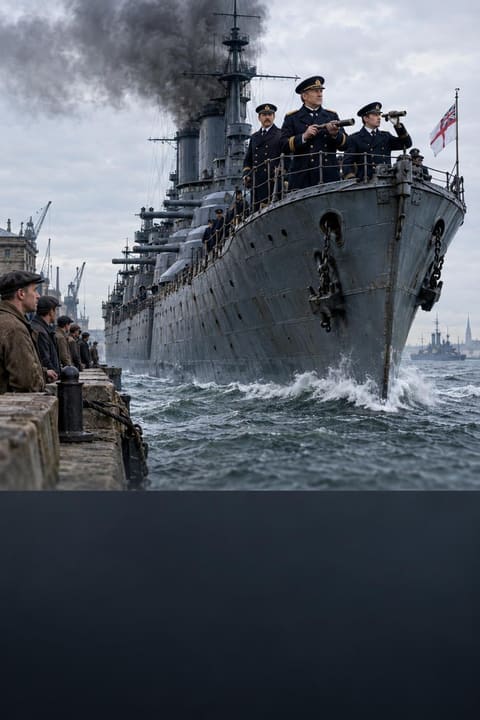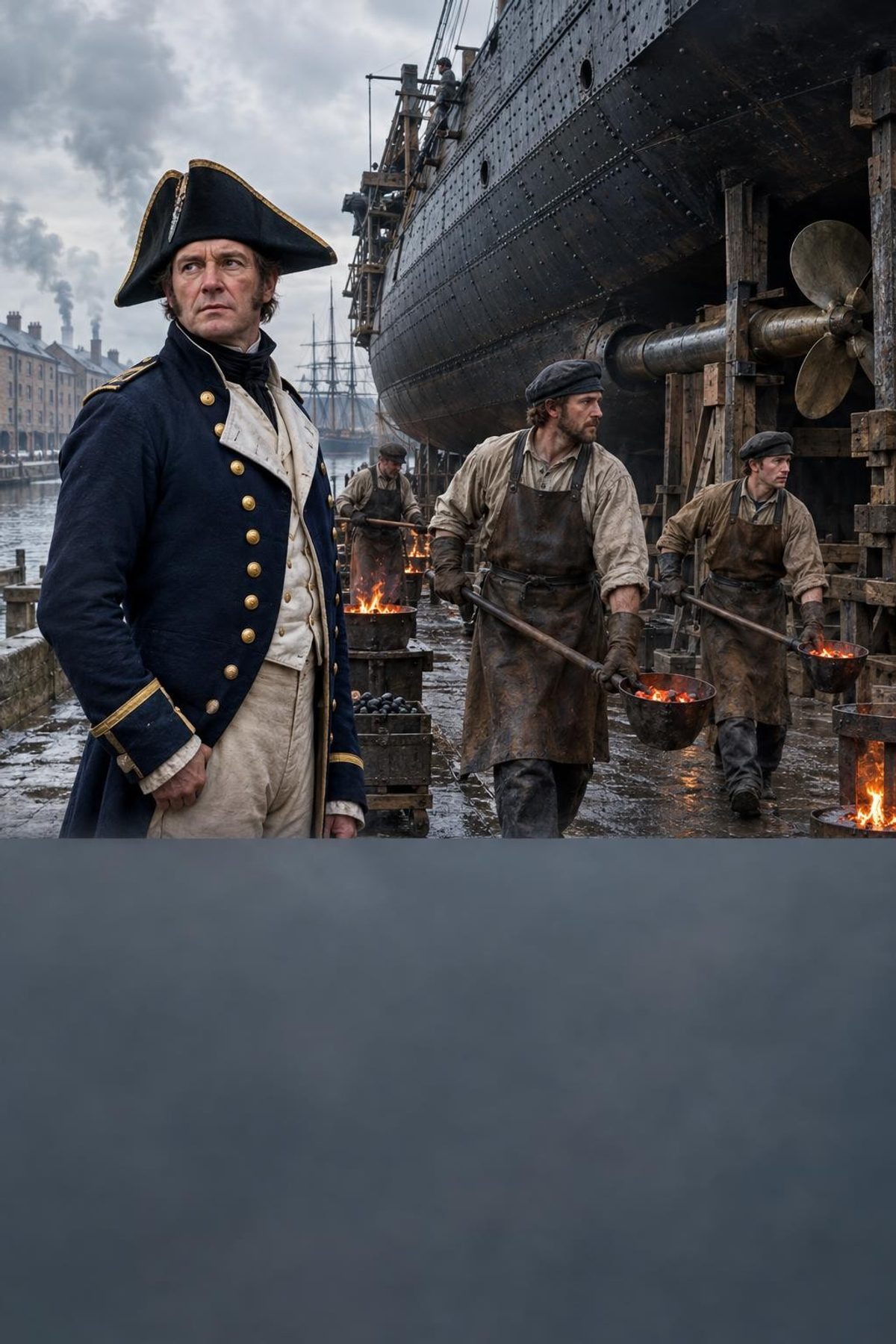
He was a civil engineer, not a naval officer. Yet Isambard Kingdom Brunel dared to reshape how the British built ships of war. While better known as a visionary behind railways and grand bridges, Brunel's bold endeavor to revolutionize naval architecture with the iron-hulled SS Great Britain set a course into uncharted waters. The forgotten warship, beached and nearly claimed by the sea, held secrets beneath the mud that would astound surveyors and the Admiralty alike in 1844.
Iron Dreams and Maritime Nightmares
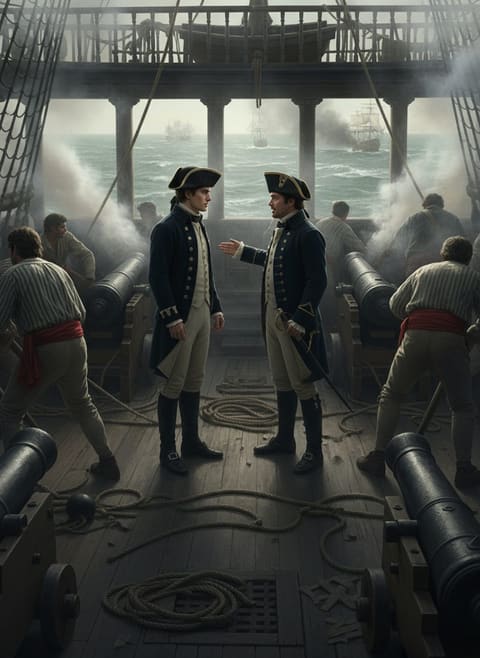
The Victorian Empire symbolized progress, and in Brunel, it found an ally determined to push limits unlike any before him. His brainchild, the SS Great Britain, marked a radical step away from wooden warships. Crafted with an iron hull and propelled by a screw, the ship promised to outperform anything afloat. Launched amidst much fanfare in 1843, she represented not only a test of engineering but also one of British naval supremacy.
Such ambition, however, presaged unforeseen challenges. In 1846, less than three years into her intended lifetime of service, the warship encountered a fateful mishap. Off the coast of Ireland, an accidental grounding bequeathed it to an ignoble bed of sand and sea, where it languished. The more time passed, the greater grew the disquiet within the Admiralty and among the public. How could the crowning achievement of British engineering be left to rot in plain sight?
The discourse within the Admiralty was fractious. Some voices called for urgent action to salvage the vessel, fearing reputational damage. Others, more cautious, spoke to financial prudence, warning that extraction might prove a Pandora's box. Caught between the idolatrous allure of innovation and the petrifying weight of tradition, the Admiralty recoiled into inertia, letting the tides have their way with Brunel's masterwork.
Read next: When 21 Swordfish Biplanes Struck the Fleet at Taranto, 1940
A Resurrection Ordeal
The clamor to resurrect the SS Great Britain shifted tides in 1844, driving surveyors to Mullaghmore Bay with maps, chains, and dirks to chart the bedridden leviathan. What they found beneath the seaside mire would shift shipbuilding conventions. Peeling back layers of encrusted salt and barnacles, the ship's robust ironwork gleamed through the grime, ever defiant against nature's assault.
The surveyor's discovery functioned as both a vindication and a revelation. The hull's integrity confirmed what Brunel had long championed: iron, in its stubborn resistance to decay, mocked the weakness of timber that others clung to. Yet it was more than material superiority that caught the Admiralty's eye. The rediscovery of Brunel's ship coincided with socio-economic shifts, precipitating debates about potential integrations of new technologies in military doctrine.
Such developments were not merely academic. They fanned the flames of intrigue worldwide, as rival empires peered avidly from across continents. The findings became a testament to British ingenuity — and folly — as the fate of the warship and its true capabilities regained prominence. Soon proposals surfaced; the design could be adapted, overcome and repaired in the face of naval attrition and threat. Facing ignominy, Britain's stewards now more earnestly pondered how to salvage reputation along with physical relic.
What the Mud Revealed
Removing the ship from the clutches of its muddy grave, engineers realized an embarrassment. Their ingenuity was no shortcoming; rather, the prevailing battle strategies rendered Brunel's innovations premature. The very waters intended to carry Britain’s prowess abroad bound the ship in a narrative of politic hubris. Yet this was more than reproof; it was opportunity.
Read next: When HMS Jervis Bay Turned Towards the Admiral Scheer, 1940
The SS Great Britain's engineering did not merely hint at the future — it **demanded** one. Examining what surveyors found beneath yawning turbid depths refuted staid practices. Incrementalism lost sway in light of success stories involving this helm removed from purpose. Progressive thought ushered in by Brunel meant reimagining power projection based on iron’s resilience.
Nonetheless, the Admiralty faced an enduring mystery. How might this unlikely savior be celebrated across a tidal empire instead of remembered solely as an embarrassment? Survey revelations urged an awakening — inadequacies would evolve into advancements much needed in imperial portfolios.
The SS Great Britain, though earlier abandoned to spectral shadows of Irish coves, pulsed back into life, rebuilt and reimagined amid halcyon minds prompted by disaster. Even as whispers of a less forthright truth swirled through press corps and jingoists alike, standing witness saw rediscovery of not just Brunel's deep-buried craft but reanimation of forward procession, stubborn in pursuit of unmatched mastery over man and nature.
And so, beneath a sheen of mud, amid bickering bureaucrats and skeptics made realer by Brunel's legacy, the once-indelible promise of a new naval epoch faded no more. From hidden obscurity arose lessons embedded not in textbooks but cast across tides in iron-bared ambitions. Such alchemic determination emblemized a voracious epoch — vast storms and still brighter technic dawns — awaiting sailors ready to chart iron’s unyielding course.