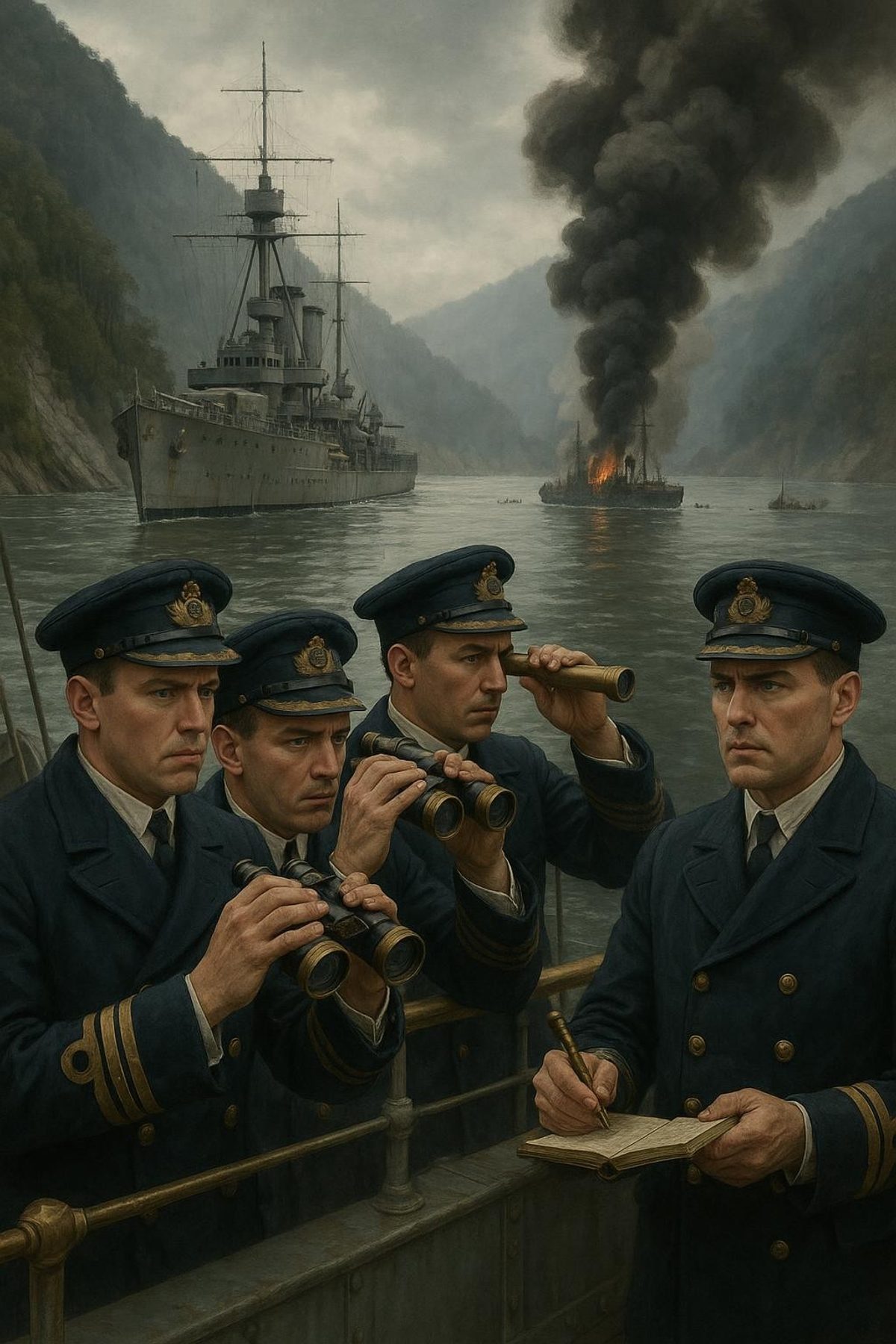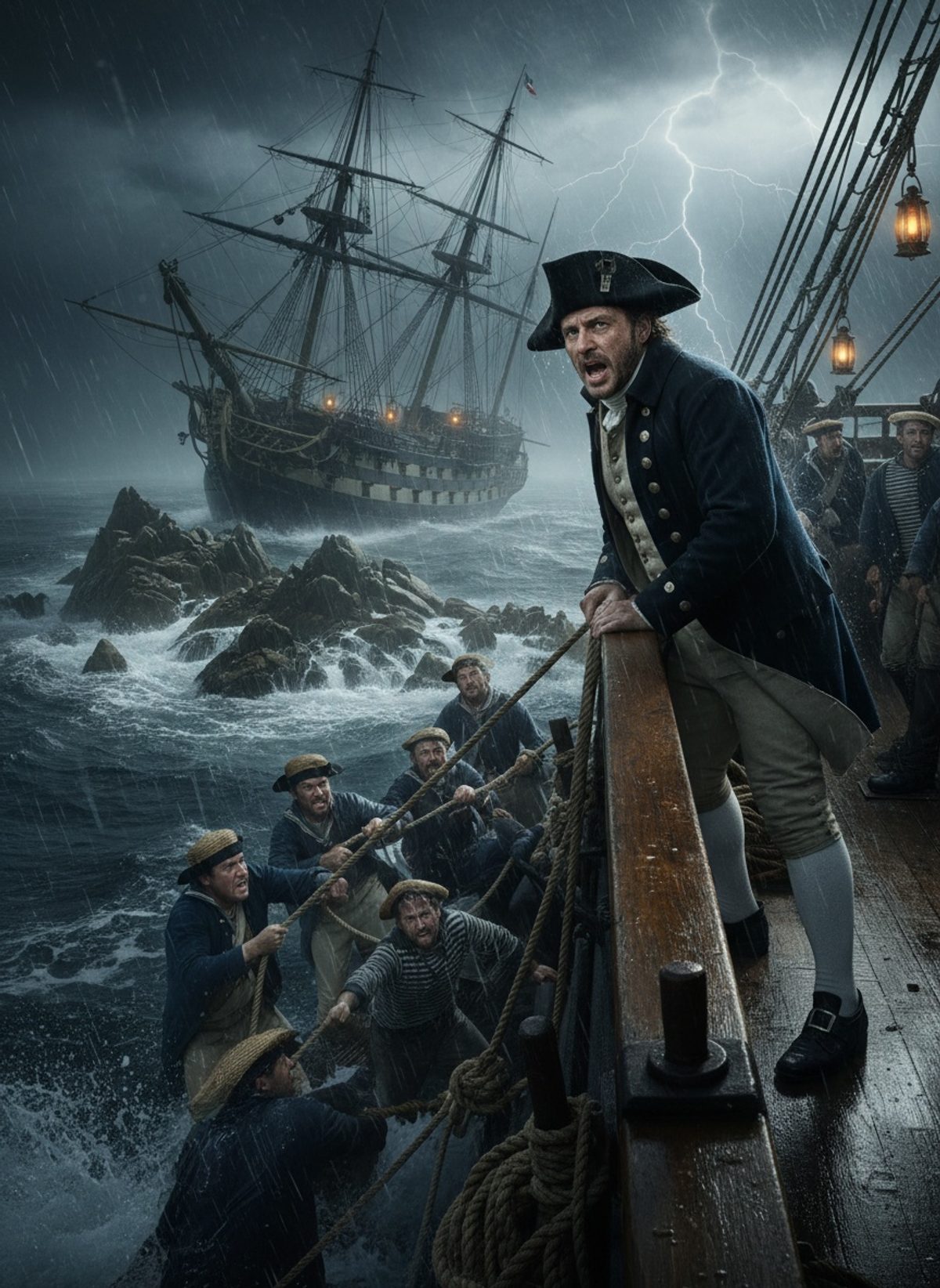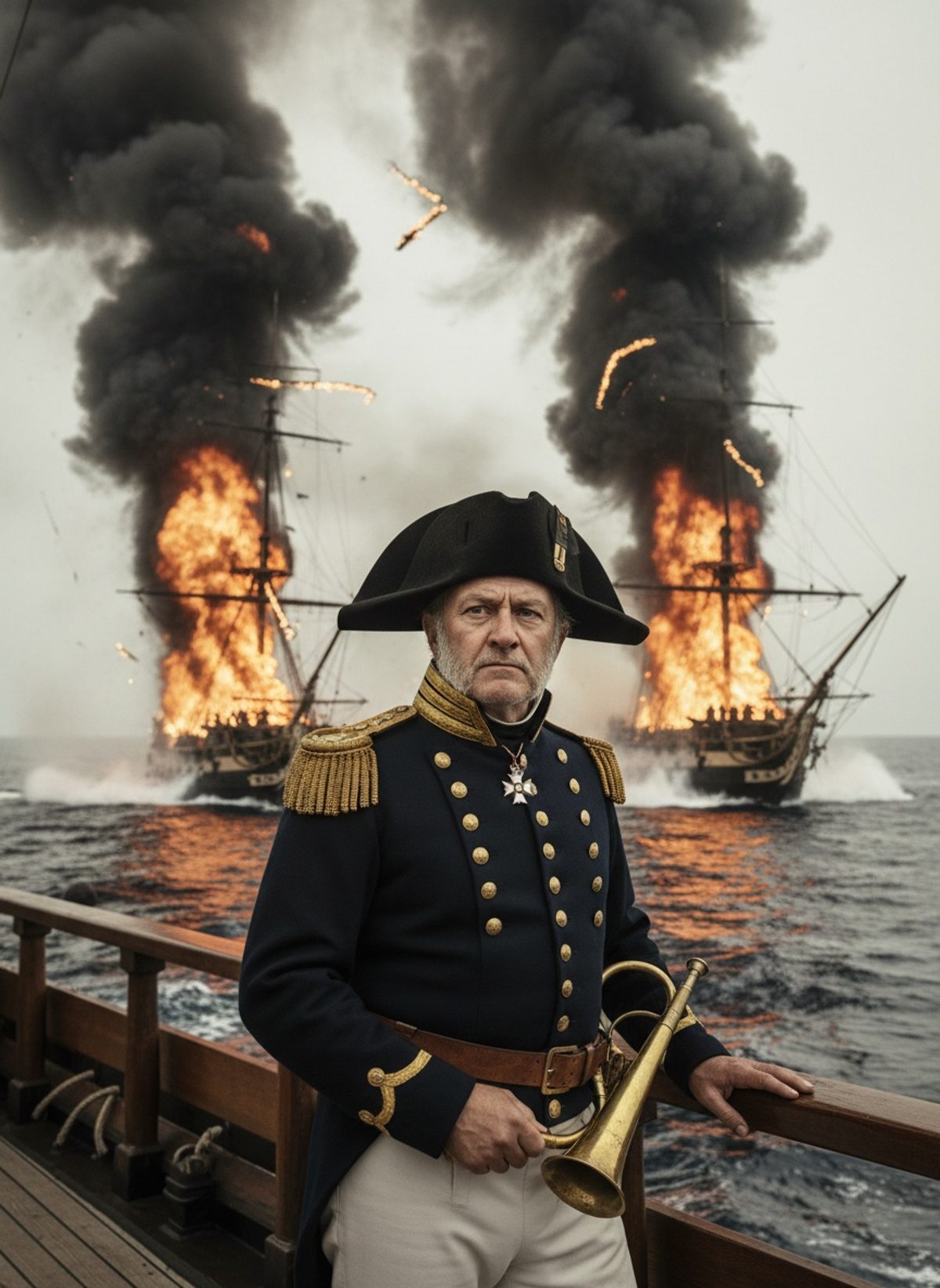
October 20, 1827. The sun gleamed on the azure waters of Navarino Bay.
This tranquil Mediterranean scene was soon to become the backdrop for a fiery clash that would reshape the fate of nations. On this clear autumn day, Admiral Edward Codrington's British fleet sailed into the bay alongside allied French and Russian ships under orders to merely observe. A simple act of presence, however, quickly evolved into a spectacle of unforeseen destruction that would alter the course of Greek independence and challenge the diplomatic balance of Europe.
The Theatre of Navarino Bay
Navarino Bay, off the southwestern coast of Greece, created a natural harbor—a gem amid ancient waters that had seen countless sails since the age of Homer. By 1827, it was the stage for an international chess match. Greece was a pawn in the larger geopolitical struggles of the era; its bid for independence was an echo against the backdrop of waning Ottoman influence and the ripple effect of Napoleonic turmoil.
Admiral Codrington, a seasoned veteran of various sea battles, had arrived here with specific instructions: oversee and ensure peace without provoking the Ottomans. The Greek Revolution, sparking since 1821, had drawn sympathy from across Europe. However, official policy required restraint. The allied fleet was tasked to maintain a delicate equilibrium—this was no time for cannon fire.
Read next: When Broke Boarded the Chesapeake With His Own Hand, 1813
And yet, within this charged atmosphere of caution and anticipation, lurking beneath the waters and under the Ottoman flagship were deeper currents of misunderstanding and mistrust. Codrington's flotilla was not in the bay unopposed. The Ottoman fleet, bolstered by Egyptian warships commanded by Ibrahim Pasha, lay anchored in a formidable line. Above their masts fluttered the flag of a once-mighty empire desperate to reassert control over the turbulent Aegean and its rebellious subjects.
The meeting of these fleets—arrayed in eyeshot but deprived of overt aggression—was a coiled spring. All it required was a spark.
Flares in a Tense Calm
Historians often muse upon the hair-thin margin between peace and war, rarely is it so starkly illustrated as in the events that unfolded within these sheltered waters. As allied ships took position among the Ottoman ranks, a breach of protocol—a mix-up in communications, perhaps—initiated the chaotic cascade.
The exact series of actions remains shrouded in mystery. What is known is that a single gunshot fired during an attempt to disarm a combustive Turkish fireship was enough to ignite the powder keg tensions. Within heartbeats, one cannon roared, then another—then dozens. The tranquil bay became a maelstrom of smoke, flame, and cacophony. Codrington and his officers found themselves observers no more but unwilling participants in a fierce firefight.
In the grand theater of empire and insurrections, Navarino was a scene of unplanned carnage and explosive consequence. For three relentless hours, the Turkish and Egyptian fleets, superior in numbers, floundered under the combined bombardment of the allied forces. By nightfall, some sixty Ottoman vessels lay sunk or crippled, their crews scattered or lost to the depths, casualties of a battle nobody had officially chosen.
As the fires subsided, the bay bore silent witness to an unexpected victory. It was a tactical act without strategy, an engagement never declared yet fully delivered. The images of burning hulls ghosting in the moonlit mist endured, marking Navarino Bay as the site of unintentional historical pivot.
Echos of Empire
Back in Britain, the echoes of Navarino carried mixed notes. Described famously as an 'untoward event,' the altercation was a diplomatic quandary. While the political machinations in London decried the clash as a calamity with political ramifications, the Greeks embraced it as liberation foretold. Codrington returned home not to laurels but to a tempest of inquiries, eventually relieved from his command in a measure of contrived accountability.
Yet even amid the overt disapproval, subtle transformations were taking place. The Ottoman grip on Greek lands had loosened, the thereby freed energies aiding the flowering of an independent Greece. Realpolitiks shifted: the surreptitious dance of alliances, the entangled treaties, and the ambitions of patriotic undercurrents, all woven tighter by the blast of Navarino's guns.
In an era of larger than life characters and grand strokes of imperial ambition, the Battle of Navarino stands as not merely a military engagement but an indictment of the chaotic unpredictability of human affairs. There at Navarino, the fibers of diplomacy, strategy, and chance tangled, leaving lasting marks upon the histories of Europe and beyond.
What gives these events an enduring allure is Codrington's unintended script in the great drama of history: how one brief afternoon's unintended actions created ripples that would resonate through centuries—a legend untethered from the textbooks, yet immortal in the art of empire itself.