July 25, 1920. A murky dawn began to seep through the low clouds over Dublin. The city, like much of Ireland, was a tense tableau on the brink of further chaos. The tension was palpable, hanging heavy in the air like the mist that settled over the River Liffey. On this particular morning, reshaped by forces far from Irish shores, a new chapter was set to unfold in Ireland's long and troubled relationship with its neighbor across the sea.
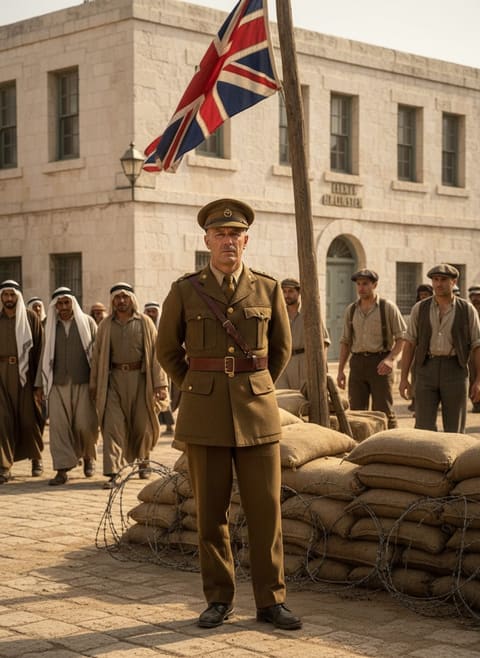
The Royal Irish Constabulary (RIC), once the bastion of British authority and law in Ireland, was unraveling, its ranks thinning by the day. Exposed to relentless attacks by the Irish Republican Army (IRA), the RIC was bleeding out, its constables now a frequent target for the deadly precision of ambushes and assassinations. This steady erosion of British control called for drastic measures — and thus entered the Black and Tans, the ragtag group of ex-soldiers hastily assembled by the British government to shore up their dwindling police force.
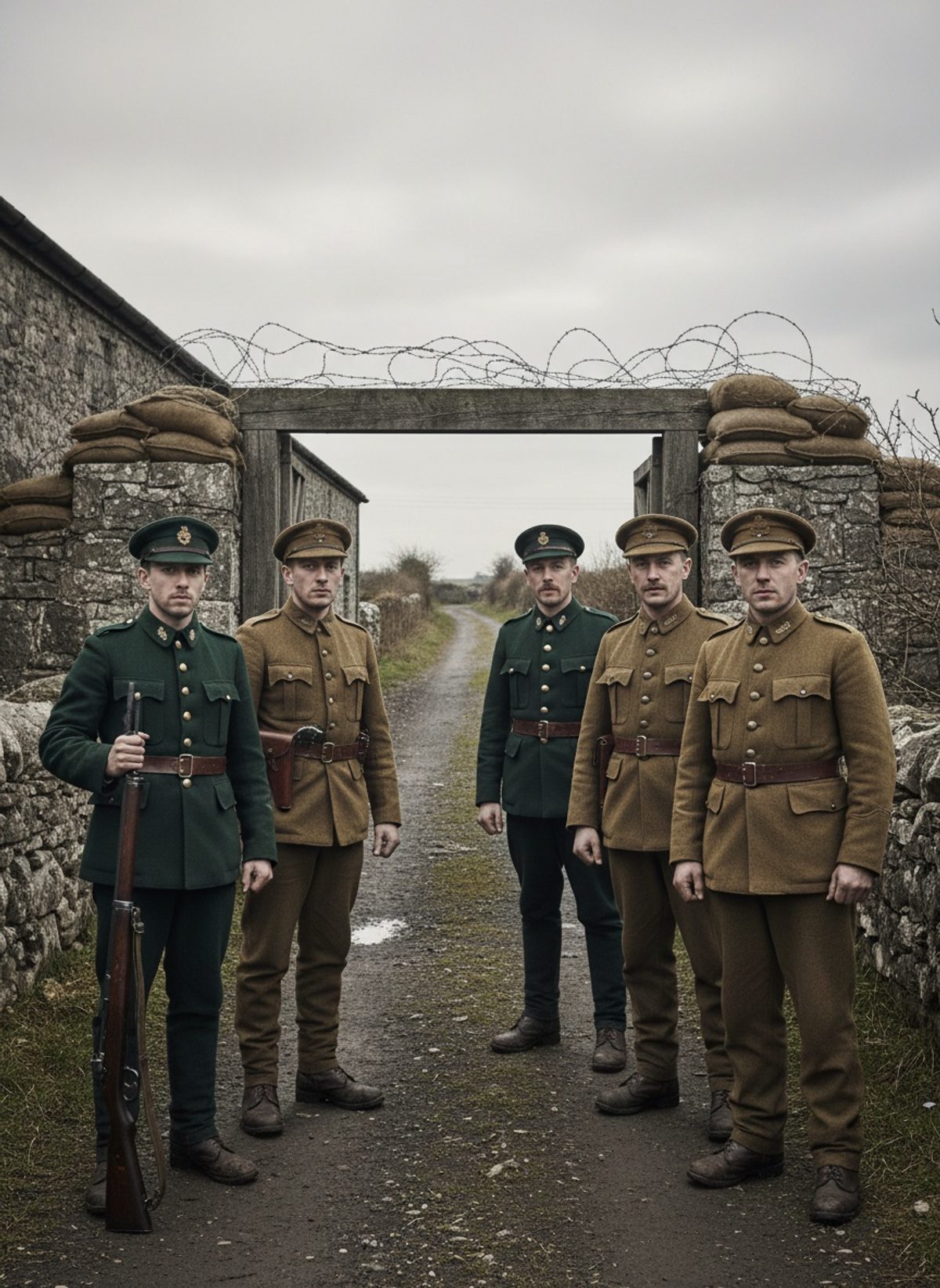
The Black and Tans were men forged in the trenches of the Great War, veterans carrying the shadows of battles fought in France, Belgium, and beyond. Yet, they arrived in Ireland with little understanding of the conflict that awaited them. Clad in an incongruent patchwork of uniforms, a sartorial mix of dark green police tunics and khaki military pants, this mismatched dress would become a fitting symbol for their ill-defined role in a bloody and bitter struggle.
In a hasty recruitment drive reminiscent of wartime urgency, Britain sought out men familiar with the ruthlessness of combat. Former soldiers, many facing a post-war world without the promise of steady employment, saw an opportunity in the advertised gains — a secure wage, a chance to wield authority, and perhaps, from a pragmatic perspective, a way to avoid the anonymity and poverty lurking back home.
Read next: When Britain Handed Cyprus a Flag and Said Goodbye, 1960
Yet, few of these men foresaw that the streets of towns like Cork, Limerick, and Galway would soon echo the violence they left behind in Europe. Deployed into situations they were scarcely trained to handle — police work in a land teetering on the edge of rebellion — they stood on a precipice between maintaining order and inciting further chaos. These men often saw Ireland not as a land yearning for self-determination, but rather as an unruly possession needing to be corralled and tamed.
For the residents of Ireland, the arrival of the Black and Tans was as unsettling as it was provocative. In the eyes of the Irish populace, they were not guardians of the peace but occupiers, the embodiment of London's oppressive policies. Missioned to restore control, the Black and Tans found themselves swiftly embroiled in a vicious cycle of retributive violence, their actions often indiscriminately harsh and punitive. Many Irish villages bore witness to brutal raids and unwarranted reprisals, setting whole communities against these new figures in mismatched attire.
One cannot fully grasp the legacy of the Black and Tans without examining the resulting transformation of Ireland’s conflict. Their presence, initially intended as a stop-gap measure, fanned the flames of resentment, making the IRA's guerrilla tactics not just a resistance strategy but a rallying cry for a nation beleaguered by unrest. The government-sanctioned chaos they embodied did much to estrange public sympathy — in the heart of the chaos, the distinction between British policy and punitive action blurred with each assault on daily Irish life.
The Black and Tans’ legacy was marked by a number of infamous incidents. The burning of Cork city in December 1920, where entire streets were set alight in retaliation for IRA activities, served as a stark reminder of the brutal measures employed. Such acts were often carried out in frustration as much as desperation, embedding the Black and Tans further into the annals of infamy. The smoke that curled from the smoldering ruins was a beacon, luring international attention and scrutiny to the tumult within Ireland.
Read next: When Britain Handed Malaya a Flag and Walked Away, 1957
Political rhetoric soon followed, hardening the resolve of Irish nationalists and unsettling the conscience of the British public. The actions of the Black and Tans were increasingly viewed not just as heavy-handed but as symptomatic of a broader imperial malaise, an inability of the empire to understand and adjust to its own colonial realities. The American and Australian press seized upon these outrages, their reports peppered with vivid descriptions of atrocities that shocked foreign audiences and fueled international support for the Irish cause.
Yet, these men were not agents of policy freed from humanity but individuals shaped by complex motivations, grappling with a system that spat them out into a landscape hostile and indifferent. Some among them bore silent witness to acts they never personally condoned, their own stories drowned out by the cacophony of conflict and clashing histories. Caught in a maelstrom not of their own making, their stories lend nuance to the narrative, though this rarely mitigated the damning image occupying public conscience.
As the conflict ground towards the Anglo-Irish Treaty in 1921, the question lingered: what was truly won through the deployment of the Black and Tans? Britain’s strategy of quelling Ireland through force provided little resolution and arguably hastened the very political outcome it attempted to thwart. The Black and Tans, rendered an indelible symbol in Ireland's fight for independence, unwittingly accelerated the course toward acknowledging the legitimacy of Irish self-governance. In trying to staunch a rebellion, they inadvertently highlighted the cause they sought to suppress.
Tales of the Black and Tans continue to resonate through Irish history as a cautionary tale about the perils of heavy-handed monitoring and martial intervention in sociopolitical conflicts. Their legacy is a stark reminder of how the application of military prowess in civilian territories can serve as a catalyst for resistance rather than control. The Black and Tans’ venture into Ireland stands as a historical case study of unintended consequences, a reminder of how a seed planted in oppression often grows into a call for liberty.