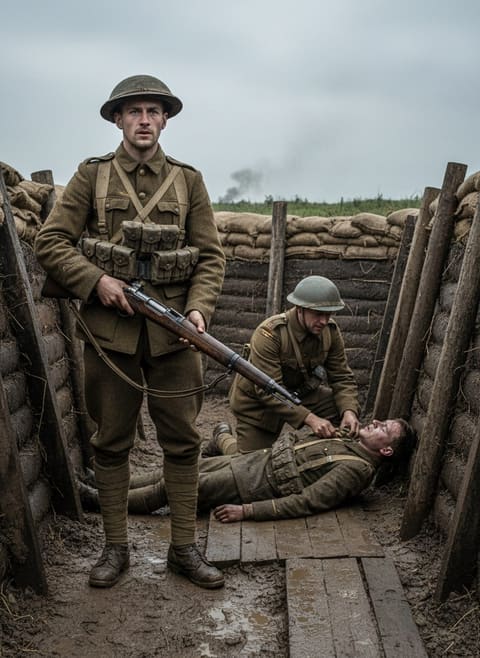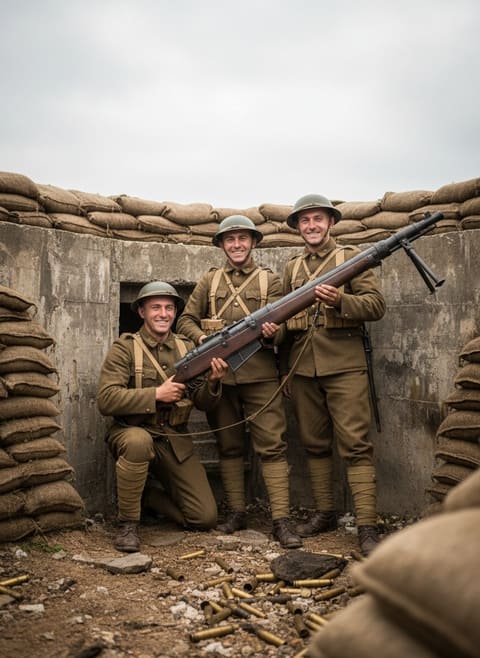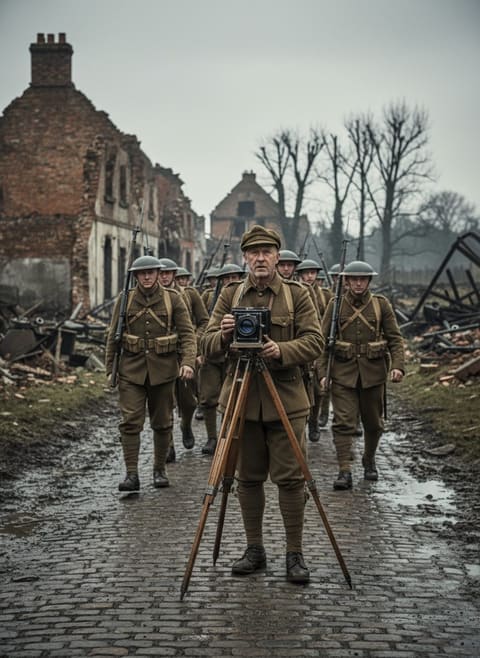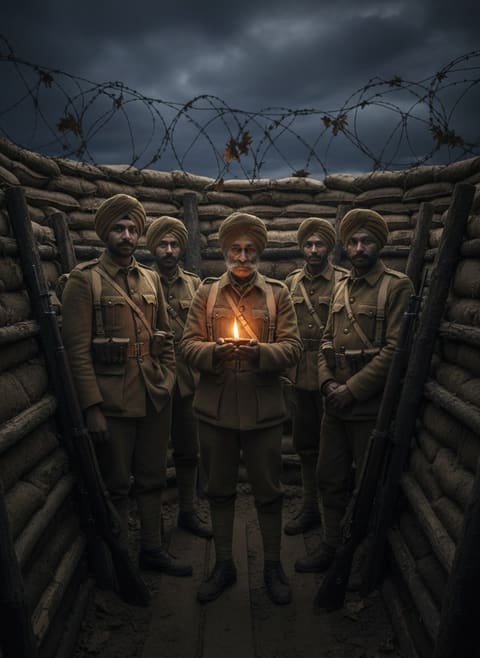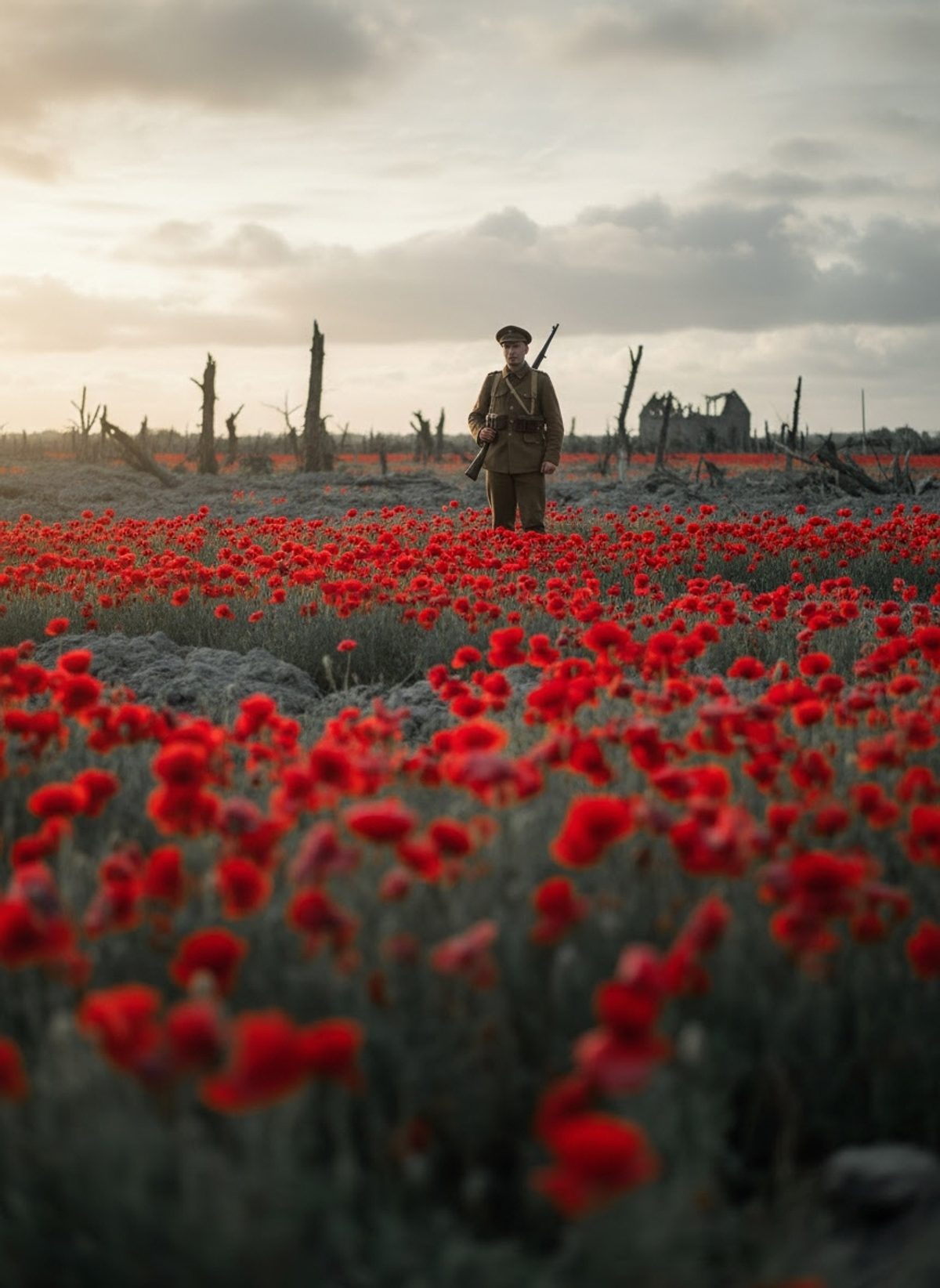
The air over Flanders in spring 1915 was thick with the acrid scent of churned earth and the lingering smoke of artillery. The sky was a steel grey, huddling low over the shattered landscape, where muddy trenches twisted like open wounds across the fields.
A cool breeze carried the echoes of distant explosions, their rumble a constant dirge for the men crouched in their earthen shelters. In this land torn apart by war, something extraordinary was quietly unfurling. A sea of red began to punctuate the somber browns and greys—poppies, blooming by the millions, carpeting the scarred ground in surprising defiance of the devastation.
The Quiet Bloom
Flanders poppies, known scientifically as Papaver rhoeas, have long been a common sight across the European countryside, their vibrant flowers a familiar presence in cornfields and pastures. Yet the intensity and scale of their 1915 bloom caught the attention of soldiers entrenched in the midst of unimaginable turmoil. No one had planted them; no gardener tended to their emergence. The poppies simply arose from the rich soil, their seeds having lain dormant for decades, waiting silently for the right moment.
The harsh conditions of war—explosions ripping through layers of earth, stirring the soil—seemed to provide exactly that. The constant bombardment, though devastating, forced open the soil, creating an ideal environment for the seeds to germinate. It was a grim paradox that such brutal human conflict could trigger such natural beauty.
Read next: When the Mud of Flanders Buried the 1st Cameronians, 1914
This unexpected flowering became a poignant symbol, a reminder of life's persistence amid loss. The continuous red waves became a silent tribute to the tens of thousands who fell across these fields, their presence weaving the land with stories untold.
For soldiers on the Western Front, the poppies offered a rare splash of color in a drab and dangerous world. Men spoke of them not only as tokens of remembrance but also as fleeting glimmers of hope and normalcy amidst chaos.
Lieutenant Colonel John McCrae, a Canadian doctor and poet who witnessed the fields, was among the first to immortalize their significance through verse. His poem "In Flanders Fields" captured the deep connection between the bloodshed of war and the fragile beauty of the flowers. Soldiers carried this connection with them, drawing a thread of peace from the resilient blooms.
The Red Wave
As 1915 wore on, the poppies bloomed again and again, persisting beyond the spring through late summer. Each passing wave added layers of meaning. While the fields of Flanders were a foreground for military strategy and maneuvering, they also grew into an eternal garden—a testament to what nature could endure, adapt, and eventually reclaim.
The local population, too, found solace and inspiration in the poppies. Those who had once farmed these lands witnessed the transformation with heart-wrenching clarity, understanding that the seeds had been there all along, waiting quietly beneath the surface, like the memories of peacetime. This natural resurrection, in the form of vibrant red blooms, was not just a reminder of loss but a promise of regeneration, hope, and healing.
Read next: When a Tommy's Terrier Kept Watch in the Guyencourt Ditch, 1918
The poppies were more than mere decoration on the war-torn landscape; they became harbingers of an emerging cultural memory. As they recurred each year, their significance deepened, entwining them with memories of the fallen. They offered comfort to grieving nations, crafting a new narrative of remembrance and fortitude amidst adversity.
A Living Memorial
Beyond the immediate years of the war, the poppies of Flanders grew into an enduring symbol, their story shared and reshaped across generations. They became emblematic of Armistice and Remembrance Days, woven into ceremonies as a symbol of both tribute and peace. The seeds, so long dormant, found their way into fields across the world, introduced deliberately as symbols of memorial, sprouting new Flanders—their red petals a vivid testament to resilience.
This natural phenomenon, sparked by the upheaval of war, paints a profound picture of nature's ability to persevere and flourish in the least likely of circumstances. The irony—one that has captured imaginations for over a century—is that in the midst of one of humanity’s grimmest chapters, these simple flowers wrote their own narrative of beauty and survival.
Today, as we wear poppies each November to honor those who have served and died, we participate in this cycle of remembering and renewing. The poppy stands as a living memorial, ever redrawing a line between past sacrifice and future hope, reminding us of a persistent truth: even in the most broken of places, life finds a way to break through and bloom.