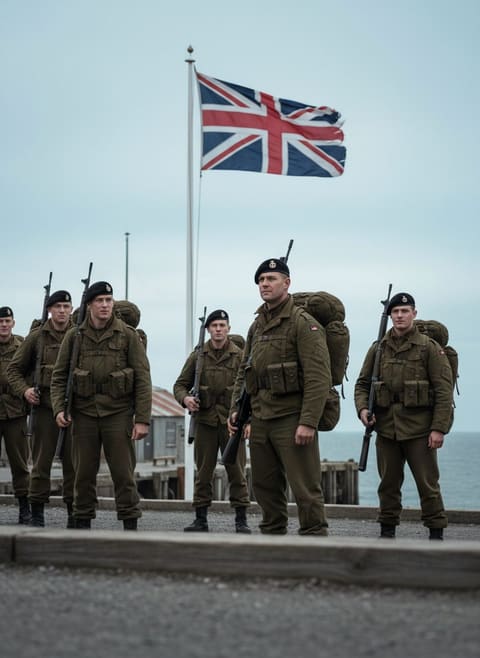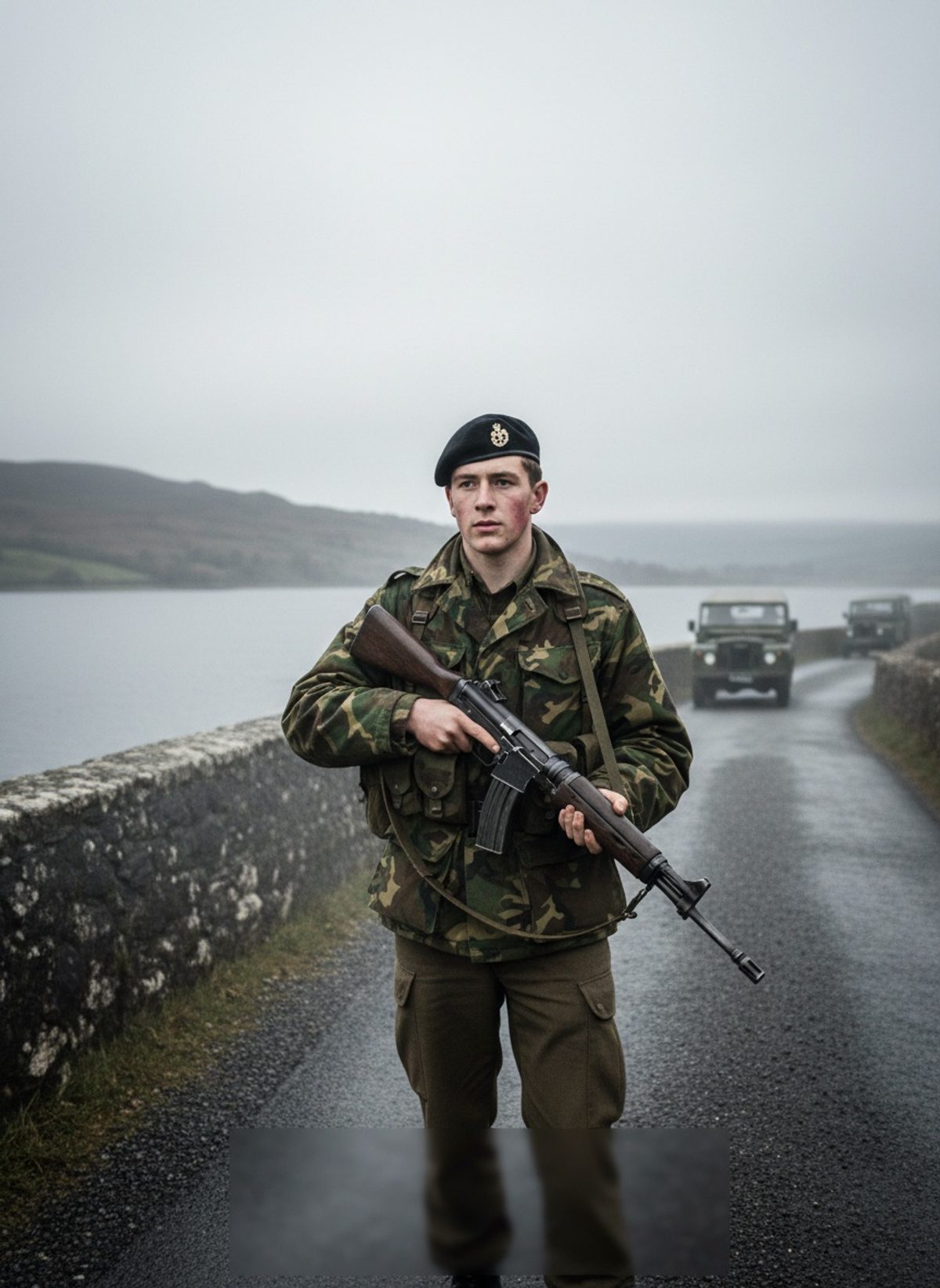
August 27, 1979. The mist clung heavily to Narrow Water Castle, shrouding the landscape in a ghostly veil.
Under the Shadow of the Mournes
Upon the shores of the Newry River, near the somber silhouette of Narrow Water Castle, life seemed to hold its breath. The air was thick with tension, a stark reminder of the smoldering conflict that had painted Northern Ireland's verdant glens with the vivid hues of turmoil. To the east, the Mourne Mountains loomed large, their peaks obscured by a grey shroud of cloud, as if nature itself sought to obscure the events poised to unfold.
The region, marked by its sweeping landscapes and mottled past, was no stranger to the shadows cast by the long-standing struggle between the Provisional IRA and British authorities. The Troubles, as they were bitterly termed, wove intricate stories of strife and survival into the very fabric of daily life, leaving scant refuge from their relentless grip.
The Surprise Attack
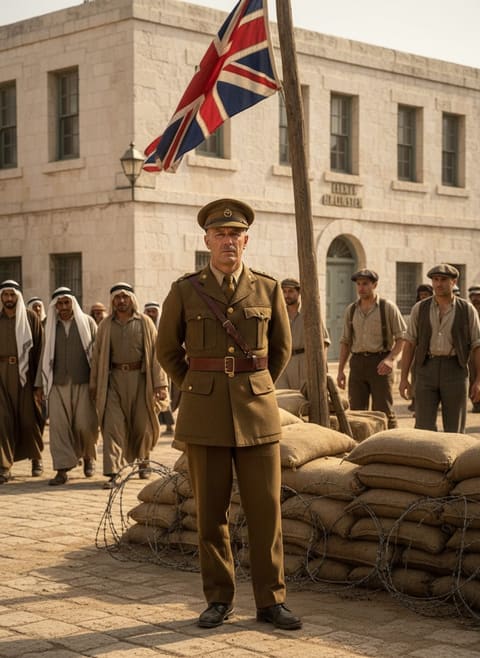
On that fateful August day, a British Army convoy traversed the narrow road by the castle, their olive-drab vehicles stark against the rural backdrop. The soldiers within, part of the Parachute Regiment, were alert yet unprepared for the machinery of war ingeniously concealed beneath the roadbed — a roadside bomb laid by the meticulous hands of Provisional IRA operatives, primed to erupt in lethal intent.
Read next: When Britain Handed Cyprus a Flag and Said Goodbye, 1960
The first explosion ruptured the noonday quiet, eviscerating the calm with a ferocity that scattered earth and steel alike into the air. Soldiers were killed instantly, while others lay wounded amid the chaos of torn metal and desperate cries. The stillness that followed was heavy with disbelief, marred by the acrid tang of smoke and ruin.
Yet the cruel calculus of warfare had more to deliver. As rescue teams rushed to aid their comrades, tending to the injured and retrieving the fallen bodies, a second, more devastating blast detonated. Positioned with strategic precision to ambush the rescuers, this explosion rendered carnage on an unspeakable scale, adding to the loss of life and trauma inflicted that day.
Echoes of Immense Tragedy
In the minutes that followed, shock hung thick over the smoldering wreckage. The second explosion had been set with unerring calculation, a gruesome symmetry of strategy and despair. Eighteen British soldiers lay dead, marking the deadliest attack on the British Army since the Second World War. Bodies of the courageous, now eternal, lay cradled by the very land they sought to defend.
The events at Warrenpoint sent reverberations throughout the UK and Ireland, sharpening the already keen edge of the conflict. These soldiers were husbands, fathers, and sons, their lives extinguished amid the grizzly theater of sectarian violence. The ambush brought a heavy pause to many, a lingering moment of reflection on the staggering cost of a discord older than memory.
Read next: When Britain Handed Malaya a Flag and Walked Away, 1957
Across the water, as the smoke began to dissipate, the IRA claimed responsibility, defiantly asserting their right to national self-determination underpinned by violence. But for those who bore witness — friends, family, and fellow soldiers — the grief was immediate and incomprehensible, a dark wave threatening to drown the light of everyday existence.
Why the Story Matters
The Warrenpoint Ambush is more than mere historical footnote or tragic record; it resonates with deeper truths about conflict and the fragile nature of peace. It whispers of the boundaries drawn in blood, of decisions made in the haze of vendetta and ideology, and of lives forever altered in the clash of political dogma. In the fields by the Newry River, the tragedy echoes: a somber chorus of resilience and the unforgiving narrative of a divided land.
As much as history yearns for the romance of bygone eras, it serves as an unflinching mirror to our present. The lessons of Warrenpoint point to the delicate tapestry of human empathy, the choice between compassion and enmity. This story, though carved from a painful past, challenges the living to envisage a future where such echoes are but distant memories — where peace, though frail, might take root amidst the ruins of yesterday's strife.