The first light of dawn in the Crimean Peninsula breaks against the ragged edges of makeshift shelters and stretches out over a land battered by war. A chill wind whispers through the sparse trees, carrying with it the distant echoes of cannon fire and cries of wounded soldiers. In this harsh landscape of suffering and sacrifice, Mary Seacole's indefatigable spirit stands as a beacon of hope for those whom the British system has overlooked.
A Journey Against the Tide
Miles away from the battlefront, in a society that often dismissed her simply because of the color of her skin, Mary Seacole's journey began. Born as a free woman in Jamaica to a Scottish soldier and a Creole mother, Mary had mastered the secrets of traditional Caribbean medicine from an early age. By the 1850s, her innate compassion and medical skills were already well-known, having tended innocents caught in cholera and yellow fever outbreaks.
When war erupted in the Crimea, the opportunity to serve called to Mary. She saw ailing men needing her care, yet upon presentation at Britain’s war offices, the response was all too familiar. Ignored and undervalued due to her race and age, Mary faced the stinging rejection but turned defeat into determination. With an unwavering resolve, she paid her own passage to the battle-scarred region, her mission of mercy fueled by the very barriers intended to hold her back.
The British Hotel: Beyond an Institution
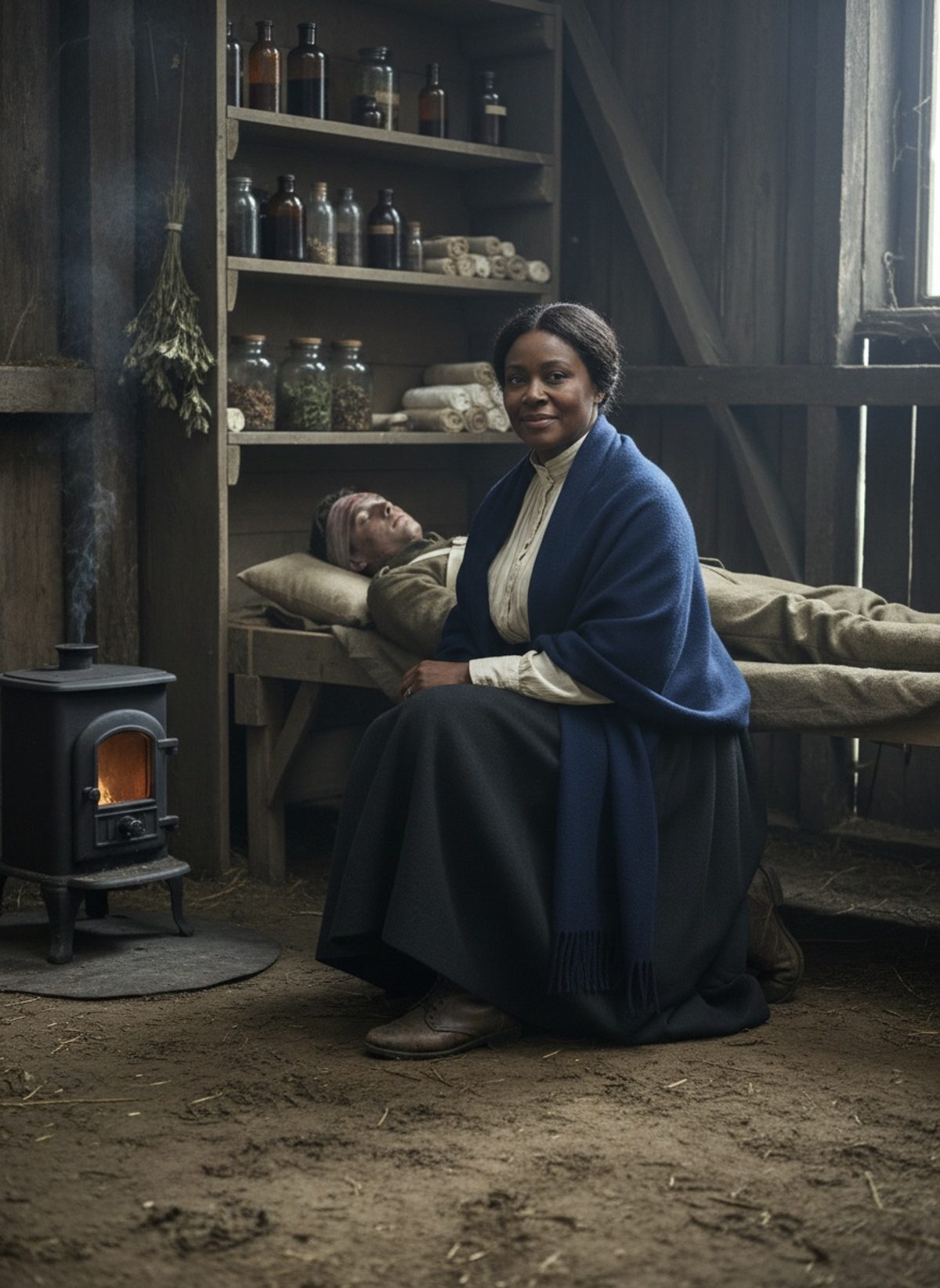
Arriving in Balaclava Harbor, Mary surveyed a scene of devastation and despair. It was here she envisioned a sanctuary for weary souls, a place blending comfort with care. With salvaged materials and an indomitable will, Mary erected the British Hotel, a fusion of hospitality and critical medical aid, built with her own two hands. This was no ordinary establishment; it catered not only to officers seeking brief respite but encompassed makeshift wards for the wounded.
Read next: He Read the Stars Wrong. He Changed Medicine Forever.
Amidst the incessant grumblings of soldiers who likened hospital food to gruel, Mary’s kitchen defied the norm, serving wholesome and hearty meals. Her remedies, a mix of herbal concoctions and time-earned wisdom, provided tangible relief where traditional medicine often failed, earning her the affectionate moniker, “Mother Seacole.” Her presence was not just felt through treatment but in the embrace of her warm, maternal presence, understanding that healing transcended the physical.
On the Frontlines: Courage Under Fire
Mary Seacole was not content to remain behind the apparent safety of her hotel’s walls. Driven by her commitment, she walked boldly onto active battlefields, carrying supplies and solace to those too far from help. Her determination sliced through the chaos of conflict as she dodged enemy fire to reach those gasping their last beneath the rage of war’s fury.
The contrast was stark; while others offered aid from a distance, Mary’s courage placed her beside the dying, cradling their hands, and softening their fear. To men broken in body and spirit, her presence brought warmth from home, a defiance of the impersonal war machine that sought to grind them to dust. The infallible trust she instilled was more than any official endorsement could bestow, a human connection that outshone bureaucracy.
Read next: Archilochus Threw Down His Shield. Then He Wrote It Down.
Returning to Ghosts and Gratitude
As the guns fell silent and soldiers returned home, Mary Seacole faced a reality as harsh as any battlefield. She came back to Britain, financially impoverished and largely forgotten by the very Empire her work had served. For a time, her name risked joining the voiceless chorus of history’s forgotten.
Yet the soldiers she had once tended became her champions, rallying to share her story with a world that had turned away. Word spread of her deeds, of the self-sacrifice and dedication she had shown in the face of indifference. Her quiet revolution against systemic biases did not end with the War but sparked conversations about race, gender, and the power of an individual to make a difference.
Mary Seacole's life is a poignant reflection on humanity’s capacity for compassion amidst strife. It challenges us to remember the shadows of history where stories like hers flicker softly, unable to be extinguished by neglect. As you read these words, consider a woman who refused to remain invisible, who taught us not how to engage with change, but why it is essential. In remembering her legacy, perhaps we reclaim the forgotten voices waiting to be heard.