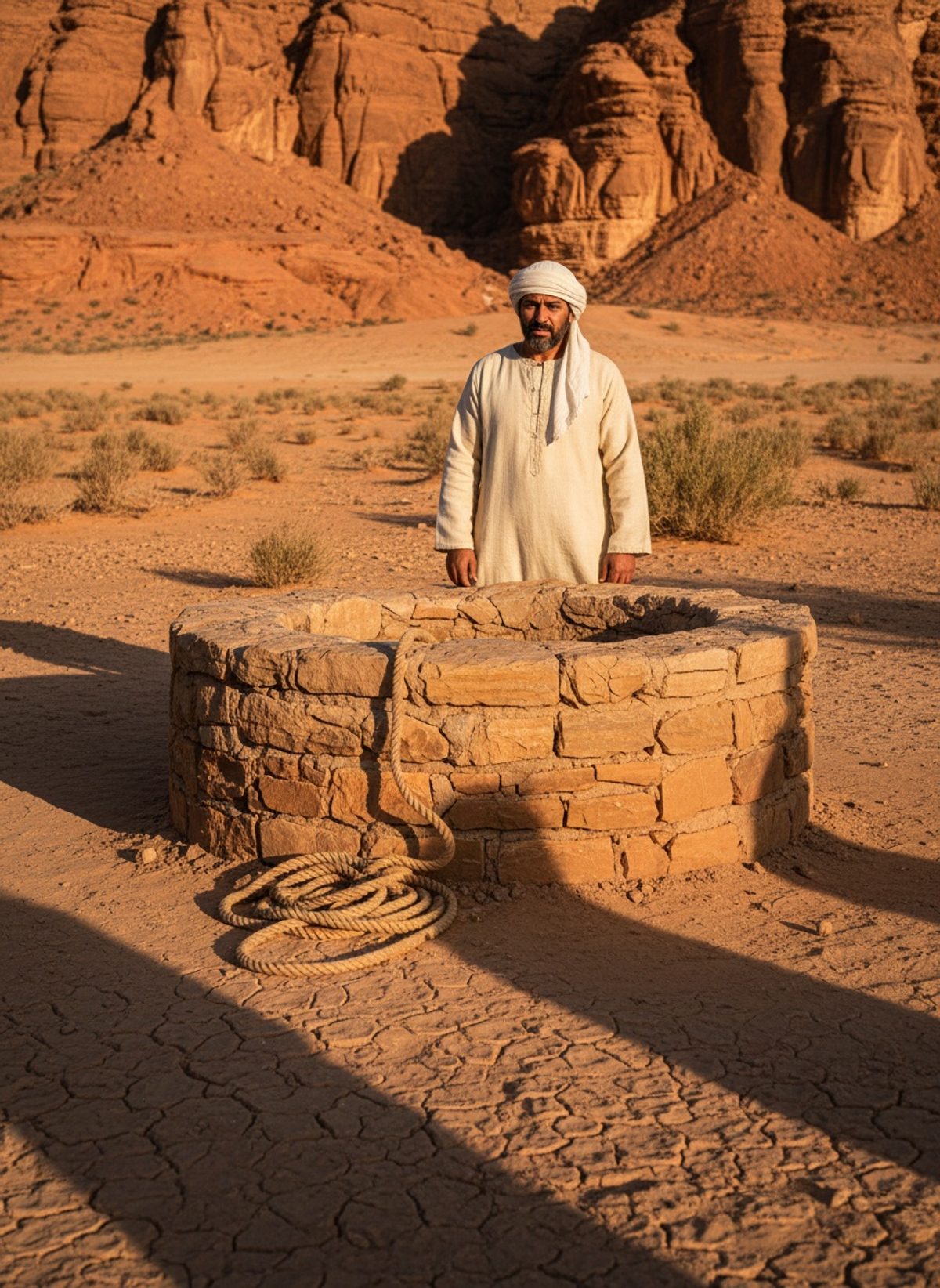
Rabi ibn Ziyad's name is unfamiliar to most. It's a glaring oversight in the annals of history.
In the vast, sun-scorched expanse of the Arabian Peninsula during the 7th century, water was more precious than gold. Yet, for the city that Rabi ibn Ziyad found himself in, it was more a dream than reality. The settlement teetered precariously on the brink of thirst-induced extinction, its every heartbeat echoing with the anxiety of a community forever on edge, listening for the faintest hint of water. This was not a tale of luxury; it was survival distilled to its essence. Cities in this landscape either carved their stories in the sand or were swept away by the inevitable harshness of their environments. People knew the sounds of scarcity too well, the rasping whispers that filled their nights and anxious days.
When Rabi ibn Ziyad first surveyed the expanse before him, he was confronted not with a blank canvas but with a formidable void. Commanded to cultivate prosperity where there was only desolation, he understood that his task was not simply to devise solutions but to challenge the very definition of possible. He was entrusted with barren land, a responsibility that most would have considered a curse, not a commission. But Rabi saw beyond the immediate hardship. Embedded in the land's apparent sterility was potential waiting to be unveiled.
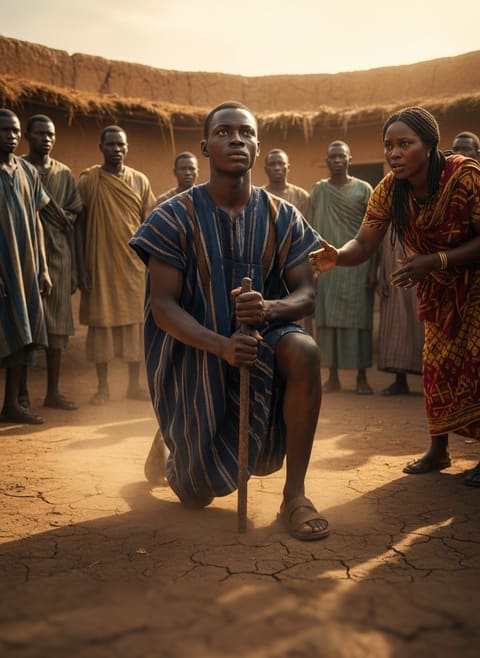
Alone but undeterred, he began the arduous task of excavating through the unyielding earth. His efforts were spurned on not only by the dire need of his people but by the silent promise that somewhere beneath lay the lifeblood of the desert. Each day stretched into one another, each scoop of earth a testament to human resilience against an unforgiving climate. Those witnessing his labor offered mixed reactions—part amazement, part skepticism—but Rabi continued, driven by the vision of giving sustenance to a settlement in need.
The moment of discovery was neither marked by trumpets nor festivity but by a quiet triumph, a nod to persistence over the capricious forces of nature. Rabi struck water, a source not only for the immediate needs of the inhabitants but one robust enough to sustain a settlement for generations. A single man's determination had succeeded where many others envisioned only futility. This was not a new miracle; it was the arrival of a promised salvation that would see ten thousand lives saved and a community revitalized.
Read next: Pacal Was Twelve. He Built an Empire Anyway.
As life-giving water gushed forth from the depths, what Rabi had truly uncovered was a blueprint for survival—ingenuity mingling with the profound patience only the desert can demand. The settlement's once-stifled streets burst into a chorus of renewed hope and vitality, their days measured not in sand-worn solitude but in the brimming vibrancy of an oasis. Yet, history has a penchant for selective amnesia. While the well itself endured, Rabi's narrative was slowly buried beneath the layers of time, the very society he preserved neglecting documentation of his contribution.
This tale slowly ebbed from records until its details dissolved, much like the desert dust that covered and obscured many ancient secrets. A millennium later, when the remnants of the well had finally dried, it was the silent testimony of stone and earth rather than documented chronicle that whispered of a man whose essence was immortalized in unseen echoes. The city that flourished because of his labor would grow, evolve, and eventually weave its future upon the forgotten fabric of his sacrifice. Hardly given his dues, Rabi's dilemma mirrors the plight of countless unnamed architects of progress—individuals whose contributions form civilization's unseen backbone.
Still, this story matters as a poignant reminder of the intricate relationship between human determination and the natural world. It highlights the significance of sustainable resources long before our modern proclamations about environmental conservation. Rabi's well was not just a tap into the water table, but a profound act of forward-thinking stewardship. It speaks to the capacity of human willpower to face insurmountable odds and to triumph not with fanfare but with quiet elegance. Even with the name Rabi ibn Ziyad lost to practical obscurity, his legacy echoes through the centuries, challenging us to uncover the hidden stories that have silently shaped our present landscapes. The lesson endures, rendering his sacrifice timeless, a whisper carried by desert winds urging us to remember the unseen towers upon which the present stands.