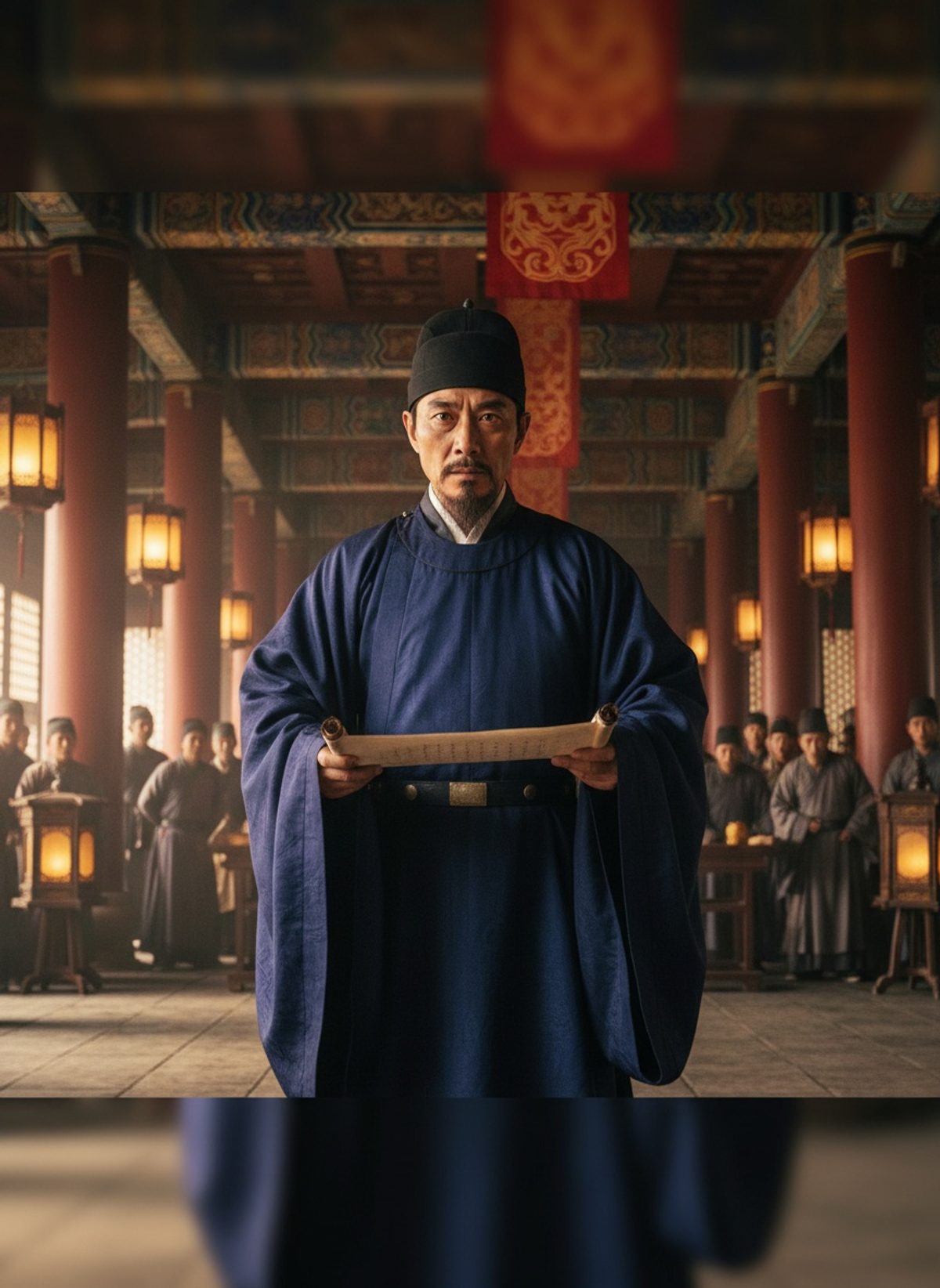
He wasn’t a noble warrior. He was a civil servant with a pen. In 819 AD, a Chinese scholar named Han Yu dared to challenge an emperor not with force, but with words.
The Spectacle in Chang'an
In the heart of Chang'an, the Tang Dynasty's bustling capital, anticipation filled the air. Streets teemed with people, a vibrant sea of robes and parasols, each vying for a glimpse of the procession destined to etch this day into the annals of history. Officials and commoners alike crowded onto every available space, eager to witness the parade of a sacred relic—an alleged fragment of the Buddha's bone, revered by millions across the empire as a divine connection to the heavens.
The Emperor, driven by both piety and political acumen, orchestrated this grandiose spectacle. To him, the display promised not only spiritual legitimacy but also a consolidation of power, a unifying force majestically paraded through the thoroughfares of Chang'an. This was a ceremony meant to glorify the dynasty and reaffirm the emperor's divine right to rule. Yet beneath the veneer of devotion, there stirred a current of dissent.
Han Yu's Silent Protest
Among the sea of spectators, one notable absence stood out—Han Yu, a prominent scholar-official who had long grappled with the collision of traditional Confucian values and the burgeoning influence of Buddhism. As the procession unfurled with the sound of ceremonial drums and chanting monks, Han Yu gazed out from the confines of his modest home, immersed in contemplation and a potent sense of resolve.
Read next: Pacal Was Twelve. He Built an Empire Anyway.
To Han Yu, the spectacle outside wasn’t just a breach of tradition—it was an affront to the very fabric of Confucian ethics he held dear. The Tang Dynasty, a regime founded upon Confucian tenets, championed a society ordered by hierarchy, respect, and duty. In Han Yu’s eyes, the veneration of a foreign relic was an exorbitant extravagance that detracted from these principles. Thus, he embarked on a solitary venture, armed not with sword or shield, but with an ink brush and parchment.
The Letter That Roared
What Han Yu did next was nothing short of audacious. He penned a fervent letter directly to the emperor himself—an act that transformed private indignation into a public rebellion cloaked in ink. In the annals of Chinese history, the letter remains an unparalleled manifesto of intellectual defiance. Within its confines, Han Yu argued passionately, decrying the parade as a betrayal of Chinese values, an unnecessary extravagance that could undermine the emperor’s rule.
Read next: Sundiata Could Not Walk. He Rose Anyway.
Delivered boldly to the palace, Han Yu’s words were potent enough to resonate even within the opulent isolation of imperial walls. However, the message came at a steep price. By nightfall, Han Yu found himself stripped of his official rank, his career in tatters, the specter of execution looming dangerously close. For him, a man steeped in the teachings of Confucius, this punishment marked a noble sacrifice on behalf of his conscience and his beliefs.
A Ripple Through History
In the aftermath of Han Yu’s defiance, change came subtly, like leaves stirred by an invisible breeze. While he was exiled, his potent ideologies seeded doubt among others within the intelligentsia, prompting a reevaluation of Buddhism’s role in society. This intellectual friction festered, prompting future waves of reform that would eventually cascade through China’s societal and religious landscape.
Though history may view Han Yu’s stance as an individual’s futile gesture against an indomitable system, it ignited debates that enriched China’s cultural tapestry for generations. By refusing to attend the procession and crafting his infamous rebuke, Han Yu carved an enduring legacy of integrity and intellectual independence. His tale serves as a vivid reminder that even in an age defined by hierarchy, the voice of a solitary scholar could challenge the mighty emperor, not with force, but with unyielding words.