The morning sky over Karachi on September 5, 1986, was a pale canvas, the sun merely beginning to assert its dominance over the cool prelude of dawn. As Pan Am Flight 73 sat on the tarmac of Jinnah International Airport, its metal frame gleamed under the rising sun. The air vibrated with the routine noises of an airport — engines humming, announcements crackling.
But soon, this ordinary setting became charged with tension. Four men stormed the aircraft, turning the world within into a crucible of fear and heroism.
The Morning of a Nightmare
The hijackers, posing as airport security, carried grenades and automatic weapons onto the plane. Their arrival shattered the mundane morning routine. Inside the Boeing 747-121, chaos erupted. Neerja Bhanot, a 22-year-old senior flight purser from India, was thrust into a situation that defied training manuals and ordinary courage.
With 360 passengers and 19 crew members under her watch, Neerja signaled the cockpit crew of the imminent danger. As the pilot, co-pilot, and flight engineer escaped, the fate of the grounded flight rested heavily on her slender shoulders.
Read next: Blood Swept Lands: 888,246 Poppies Filled the Tower of London's Moat
The hijackers' intentions were brutally clear. They sought American passengers, eyes scanning the throng of frightened travelers for blue passports. Their goal was to divert the plane to Cyprus and Israel, where fellow militants languished in prison. As moments ticked away, Neerja made a decision fueled by resolve and quick thinking.
Defying Terror With Defiance
Amidst the panic, Neerja and her crew deftly collected and hid the American passports beneath seats and down a trash chute; her subtle defiance stood between the terrorists and their targets. Her actions spoke powerfully in their silence, hidden from view, a steadfast stand for the lives of strangers.
Confined within the aircraft's walls, time seemed to stretch as the hostages endured eighteen hours of tension, fear, and uncertain futures. Hours crawled by until the air in the cabin became heavy with desperation and fatigue. Yet, Neerja remained a beacon of calm and reassurance, encouraging passengers, especially those most vulnerable.
The Dying of the Light
As the power bled from the aircraft and the cabin lights extinguished, a closing shroud of darkness descended. It was a cue the hijackers noted grimly — the moment to unleash their final cruelty. A symphony of gunfire erupted in the shadowy confines, but chaos could not extinguish courage. Neerja, alongside her crew and passengers, responded with instinctive clarity.
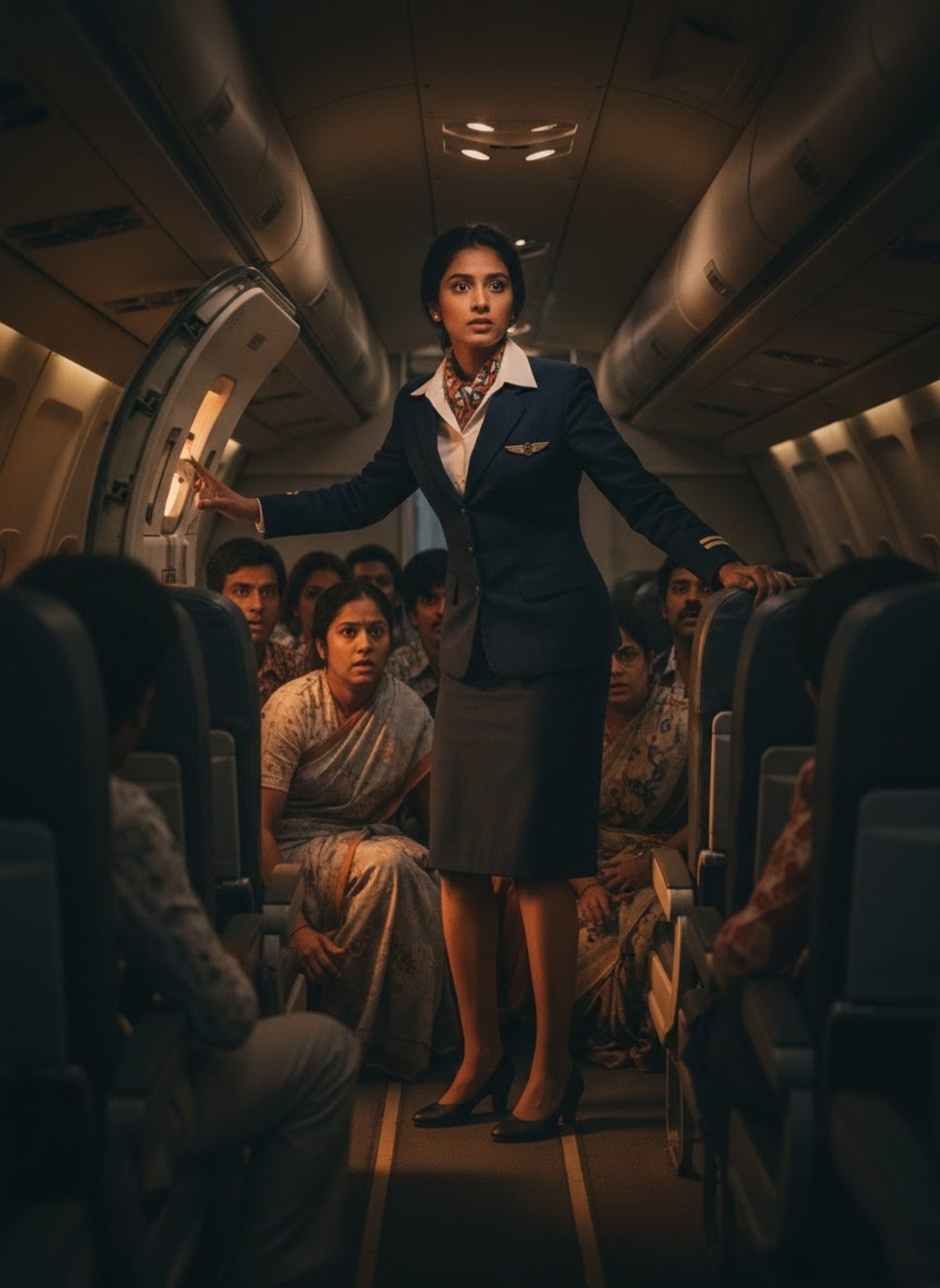
Amidst the cacophony, Neerja acted. Knowing her duty yet again, she opened an emergency exit, her hands moving with the urgency of life and death. She ushered panicked passengers toward escape, guiding them with calm assurance. In those moments, her presence was a silent drumbeat against the madness.
The Price of Heroism
She could have chosen self-preservation, could have followed passengers to the potential safety beyond. Instead, she remained, a guardian at the exit, the choice of her heart over her instincts. In the whir of voices and the hum of escape, Neerja fell to gunfire and cruelty, shot by those fueled by darker priorities. Her determination held firm amid enormity, her last breath taken in the service of others.
Read next: Charles XII Was Shot Dead at Fredriksten, Aged 36
Neerja Bhanot's name now carries the weight of her bravery, etched in the annals of history as the youngest recipient of the Ashoka Chakra, India’s highest peacetime gallantry award. Her legacy reaches beyond national borders, earning honors from both India and Pakistan, transcending the political divides her final flight could not bridge.
Why Neerja's Story Resonates
In a sky filled with echoes of chaos, Neerja Bhanot's story rises like clear stars against the night. Her quiet acts of bravery reveal the extraordinary human capacity for sacrifice and courage in unthinkable circumstances.
While others focus on their despair, she envisioned hope, shining a light on the path others could not yet see. Her story is one that reminds us of humanity's potential to overcome darkness, bound not by the baser instincts but lifted through acts of compassion and defiance.
This is why her tale reverberates, decades after that somber flight. Neerja's actions compel us to reflect on the enduring impact of courage. Hers was not a life interrupted, but one completed as a testament to boundless bravery and unwavering resolve. The echoes of her final moments swell like the morning sun over Karachi, casting light on the choice she made — to stand at the door so others might live.