She silently returned to the halls of power that had once dismissed her. By the time they noticed, she stood unchallenged.
From Shadows to the Silk Road
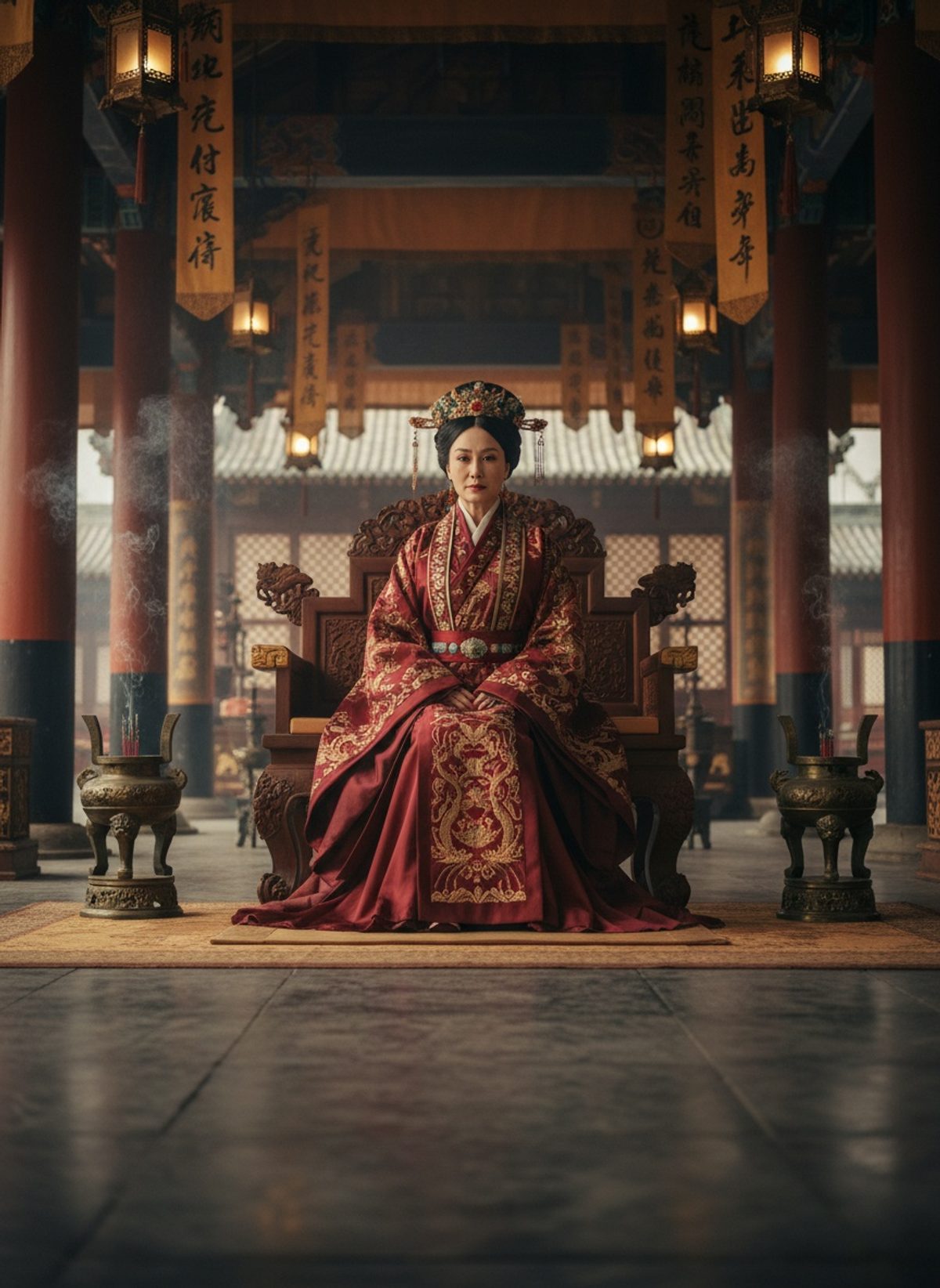
In the bustling corridors of the Tang imperial court, a young girl from an unimportant household navigated a life she was never intended to lead. Born in 624 AD, Wu Zhao grew up under the roof of a minor official, her path seemingly set towards obscurity. Her entry into the palace came at the delicate age of fourteen, a young consort among many, almost destined to be forgettable amidst the opulence of the emperor's harem. Yet, it was in these grand yet stifling confines that young Wu Zetian began to weave her intricate tapestry of influence.
Her destiny would change dramatically when Emperor Taizong passed away. In a world that had prescribed her future roles to mere footnotes of the court's lustrous history, Wu slipped back into the shadows of monastic seclusion. Her time in the convent was not one of resignation but of preparation. When opportunity struck — embodied in Taizong's son, Emperor Gaozong, who recalled her to the court despite prevailing norms — Wu Zetian's ambitions found their stage.
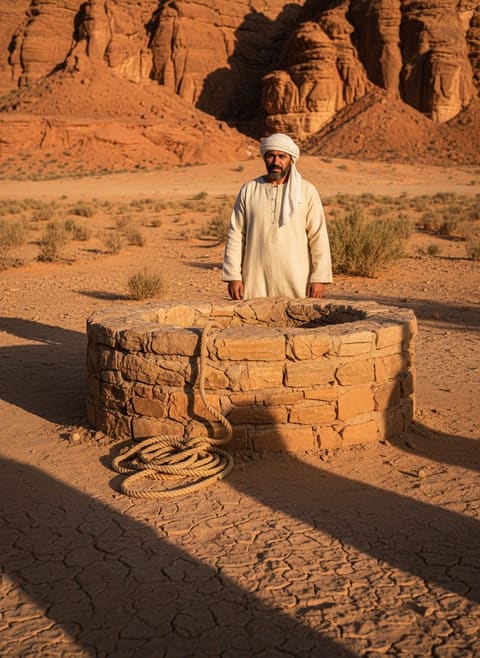
The empire stretching across Asia had its lifeblood in the form of trade routes that pulsated with commerce and cultural exchange. The Silk Road, a powerful artery of goods and innovations, traversed far beyond the ridges of the Middle Kingdom, linking China to vast territories. Wu saw its potential not merely as a passage of wealth but as a tool for asserting Chinese sovereignty and influence, revitalizing its worn paths with her indomitable will.
Read next: He Stood Before the Emperor. He Spoke for the Conquered.
The Art of Statecraft
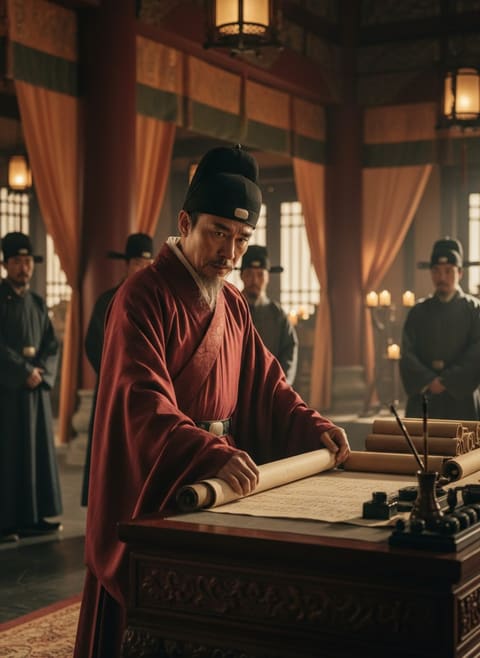
Insinuating herself into the emperor's trust and favor, Wu Zetian ascended hierarchies that were not welcoming to women. Her sharp intellect and ability to read the political currents allowed her to become a significant presence in Gaozong's life and reign. When the emperor's health waned, whispers of who truly held the reins of power grew louder. Yet, none could stifle her by traditional means, for Wu was nothing if not versatile in her state's administration, cutting inefficiencies as deftly as she cut through the ranks of her opponents.
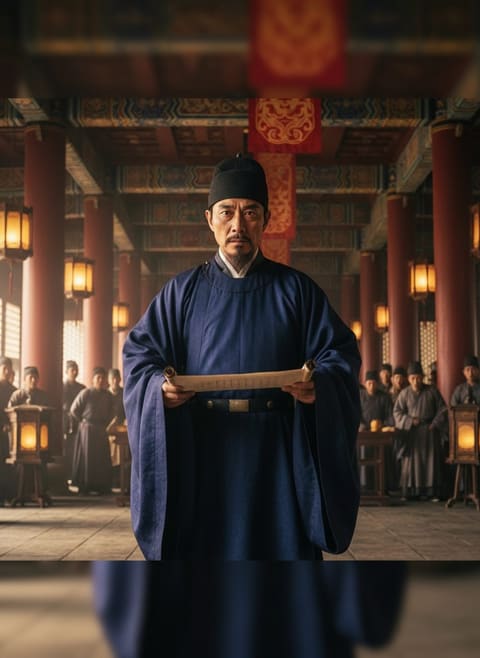
Wu Zetian's administrative acumen brought the appointment of competent officials, an elevation of talented individuals based not on ancestry but ability—a revolutionary approach in a deeply hierarchical society. Her reforms fortified the Tang administration, laying groundwork that proved resilient long after her reign. The roads she opened were not just those paved in China but also the international routes of diplomacy and trade, broadening her empire's reach and solidifying its stature across realms.
A Benevolent Mask
Amidst the power plays and maneuvering that defined her ascent, Wu Zetian knew when to wield the iron fist and when to extend the open palm. Her policies reflected a deep awareness of the populace's needs. During times of famine, her measures ensured grain reached even the furthest corners of her empire. The poor, often overlooked in the ambitious plans of emperors, found an unlikely ally in this singular woman.
Read next: Bi Sheng Had One Idea. It Changed How the World Reads.
Wu's rule also marked a notable period of religious tolerance, facilitating the rise of Buddhism alongside native Confucian and Daoist practices. Temples flourished under her decree, not merely for piety, but as centers of learning and art. The cultural renaissance that ensued echoed the prosperity of the Tang era, trailing heavenly scents to distant lands.
Legacy of an Empress
Despite her formidable achievements, Wu Zetian's tale is sharpened by controversy, as debate echoes through centuries regarding the means by which she secured her power. Yet, her impact is undeniable. She defied the gender norms of her time, a phoenix from a patriarchal society's ashes, shaping the contours of an empire that thrived under her vision.
Her story reverberates through history, a reminder of how extraordinary individuals can emerge from the most unexpected backgrounds to alter the course of civilizations. Wu Zetian not only ruled—she transformed. She harnessed the Silk Road as a conduit for prowess and prosperity, leaving a legacy woven through each fiber of its storied path. Her narrative continues to inspire those who dare to step beyond what the world believes they should be.