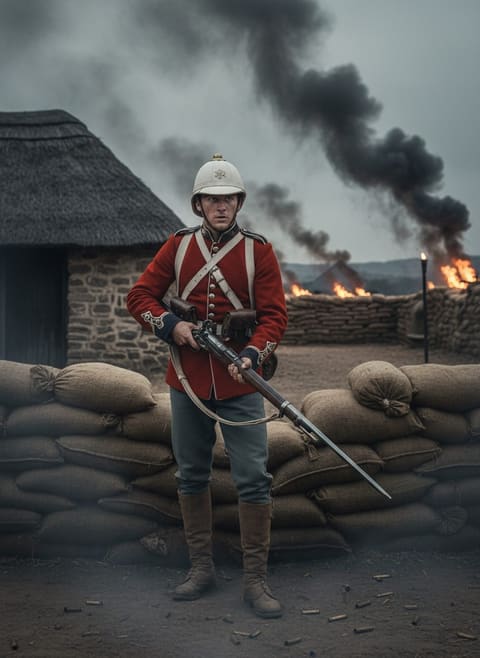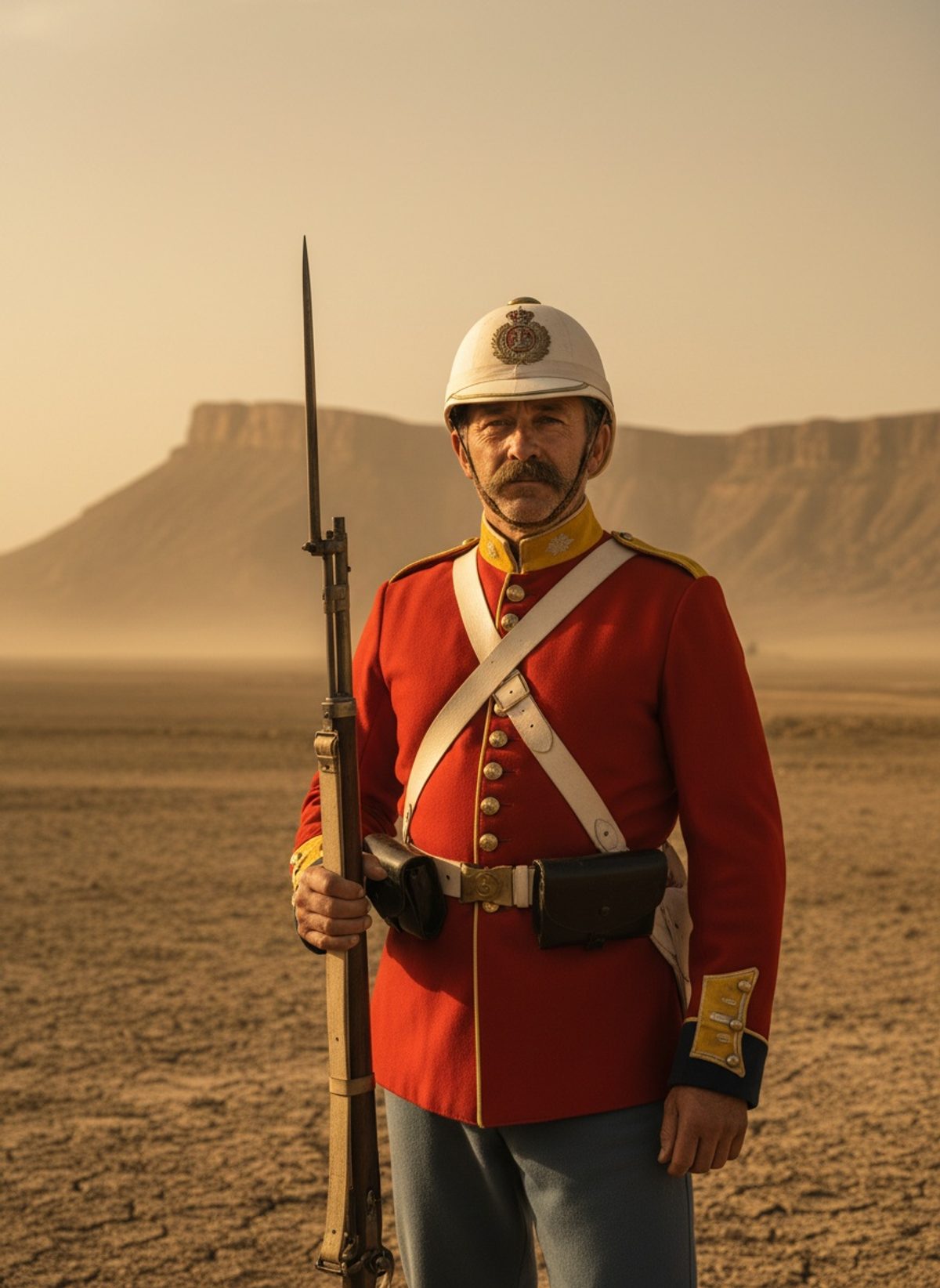
The air was thick with gunpowder and desperation. A cacophony of shouts, the crack of rifle fire, and the unmistakable cries of men caught in a desperate struggle enveloped Colour Sergeant Patrick Mullane. Each step he took stirred a flicker of dust, a reminder of the arid Afghan earth beneath him. The 66th Berkshire Regiment was entrenched at Maiwand, isolated in a hostile land, and confronted by an enemy they knew well yet could never quite claim to understand. Moments before Mullane fell, he locked eyes with a fellow soldier — a silent acknowledgment of their shared fate. These were the last moments for nearly three hundred British troops in what would become the bloodiest battle they faced since the grim days of Crimea.
Patrick Mullane was no stranger to the harsh realities of conflict. With five tours already under his belt, each return to Afghan soil brought with it the bitter taste of familiarity. The region was a paradox of breathtaking landscapes and rugged hostility, spirited by fiercely independent tribes and geopolitics as treacherous as any mountain pass. By August 1879, the Second Anglo-Afghan War had etched deep scars in the hearts and minds of those who served. Yet for Mullane and his comrades, duty compelled their return once more, the sixth for Mullane. Duty, or perhaps a sense of unfinished business that drew him back to battle-torn valleys and restless nights on foreign grounds.
Mullane's journey, like many of his peers', was marked by encounters with a cultural tapestry rich in traditions and mysteries. Afghan tribes ran the gamut — from the pastoral Pashtuns to the strategically shrewd Ghilzai — all united under the banner of their homeland's inviolable sovereignty. The British, with their expansive ambition for empire, often struggled to navigate these labyrinthine social structures, mistaking centuries-old alliances and vendettas for military might. Mullane's letters home, sparse in detail yet teeming with the unspoken weight of experience, hinted at a terrain as challenging mentally as it was physically.
The ambush at Maiwand unfolded as both an orchestrated calamity and a desperate bid for survival. Combat at its most primal, raw fervor tempered only by the grim calculus of life and death. Within hours, it became apparent that the numerical advantage favored their Afghan adversaries. For the British forces, already fatigued by the harsh march and deprived of sufficient reinforcements, retreat seemed inevitable, but not before a Herculean stand that would punctuate their legacy. Mullane, ever the embodiment of discipline and resolve, stood firm until the bitter end, a figure silhouetted against the smoke-hazed horizon.
Read next: He Stepped Forward in Lucknow and Offered His Life
The stories unrecorded in the annals of Great Game diplomacy are those of individual valor and unyielding spirit. In the chaos, amidst the improvised barricades of overturned carts and the echo of orders barked into the void, resided moments of quiet heroism — the medics who labored under fire, the officers who rallied remnants of order under siege, and the infantrymen who fought, each convinced on some level of the justness of their cause. Mullane's sacrifice, and that of his fellow soldiers, was woven into a broader narrative of empire and its uneven legacy. Kingdoms rise and fall, destinies intertwine and diverge, but the tales of courage endure, even as names slip silently into the recesses of history, much like the enigmatic Afghan hills at dusk.
Why remember a name like Patrick Mullane, etched among the nearly three hundred who never returned from Maiwand? Because his story transcends the specifics of date or battle. It speaks to the universal themes of service and sacrifice. In a world that continues to grapple with similar tensions along its disputed borders and in theatres of conflict resembling more shadow than substance, such reminders ground us. They are the lodestars of humanity's fraught relationship with war, resonating through time, echoing not just in the bustling corridors of a museum but in the collective consciousness. Mullane becomes not just a figure of the past, but a timeless custodian of values worth striving toward, even amidst chaos.