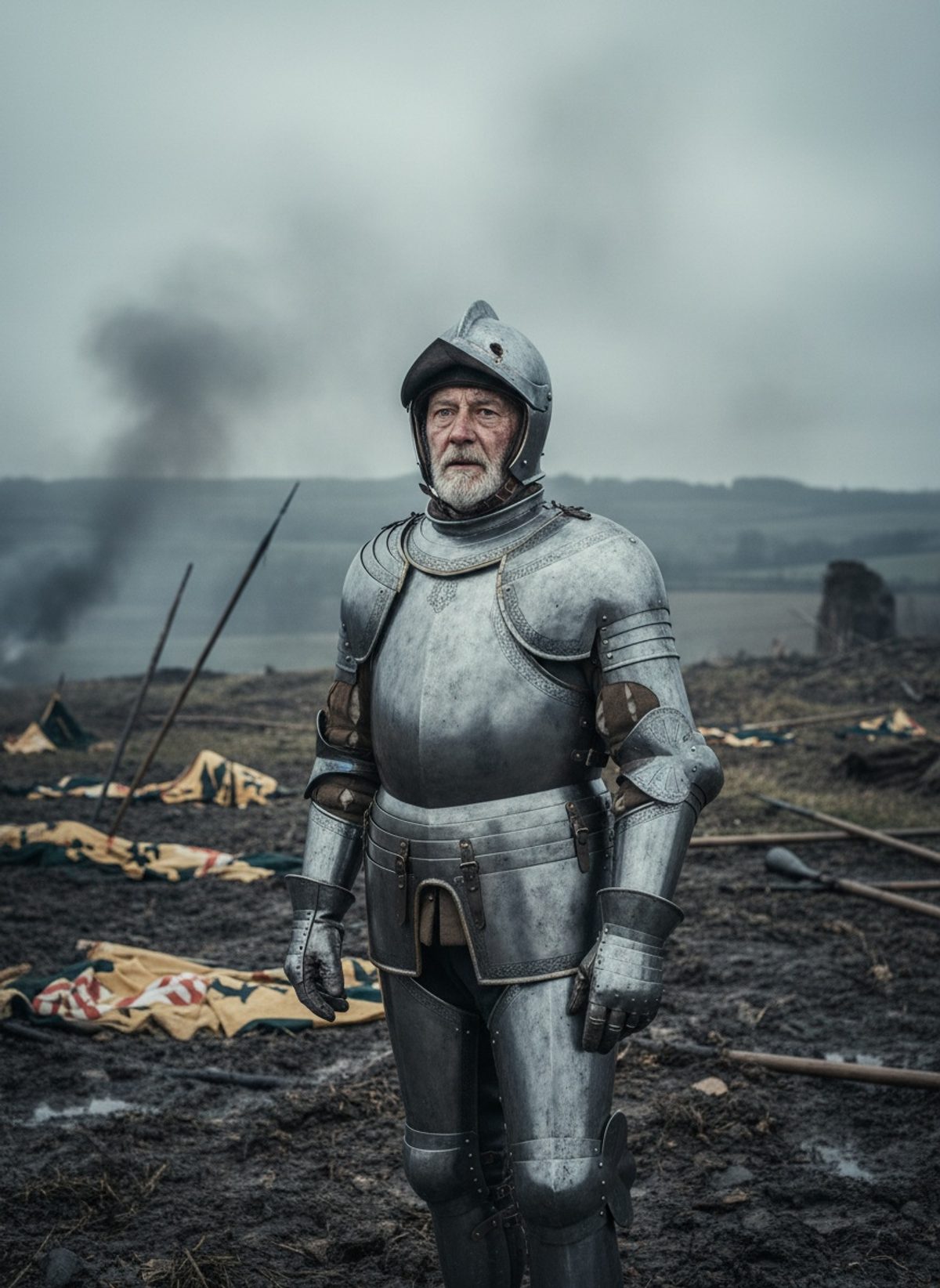
The crisp morning air at Dreux in December 1562 offered a deceptive calm, with sheets of mist hanging low over the frost-kissed landscape. The quietude, punctuated only by the occasional chirp of a distant bird, seemed hardly fit for the prelude to one of the critical clashes of the French Wars of Religion. But beneath this serene veil, tension simmered like a pot on boil, ready to spill over into chaos and bloodshed. The fate of a nation teetered as two great forces prepared to collide, each led by men who believed destiny marched with them.
At the heart of this epic contention was Anne de Montmorency, a name that evoked both reverence and dread across the realms of France. No stranger to conflict, Montmorency had spent his life in service of the crown, climbing the heights of power to become Marshal, Grand Master, and Constable of France—an unprecedented triad of military prestige. He was the iron backbone of royal authority, a figure as enduring as the ancient stones of the châteaux he commanded. But in the crucible of Dreux, he would face a trial unlike any other, one that would etch his name into the annals of valor and survival.
The battlefields of France had long been stained by the tumult of religious strife, with Catholics and Huguenots clashing like titans over the soul of the kingdom. On this frigid day in 1562, Montmorency stood resolute, determined to stamp out the burgeoning Huguenot rebellion led by the audacious Louis I, Prince of Condé. As dawn broke, the white breath of men and horses mingled in the cold air, soldiers steeling themselves in ragged lines, their shouts and chants playing against the encroaching sunrise like a somber symphony.
In the maelstrom of skirmish and chaos that ensued, Montmorency’s renown as a fearless leader and tactician played out once again. His commands cut through the cacophony like a captain guiding his vessel through stormy seas, his presence a beacon of authority amidst the smoke of musket and cannon fire. Yet, destiny would strike him harshly that day. As the battle raged on, a musket ball shot from close range tore into his face, a brutal token of the violence that sought to unseat him from his place at the premier table of power. The pain was immediate and searing, yet it matched the indomitable spirit that had propelled him to his lofty station at sixty-nine years old. Montmorency, thrown amidst the ruins of his shattered lines, would ultimately be captured by the enemy he so vigorously opposed.
Read next: The Day a Tudor Archbishop Knelt and Chose the Flames
Few would have faulted him for succumbing to the injuries that brought him low; few even believed he could return from such a wound, both physical and symbolic. Yet, the Constable's legend did not wane easy into defeat. He survived his captivity and, in an almost mythical twist of fortune, was ransomed back to the Catholic fold. Re-emerging like a seasoned warrior reborn, Montmorency resumed his place in the command of the king's forces, battle-scarred yet unbroken, a living testament to resilience and resolve. His survival and return were hailed in some quarters as providential—almost as though some divine favor shielded this veteran of so many campaigns.
Despite the ravages of time and the fresh brand of ordeal etched upon his visage, Montmorency continued to serve, engaging in combat with a vigor that belied his years. He bore his scars with pride, a living admonition of the cost of loyalty, a testament of the burdens carried by those who seek to decide the fate of nations. His story stretched like a tautened bow, each encounter a new chapter in a life woven with threads of conflict and duty.
Read next: The Day a Tudor Chancellor Chose Death Over a Royal Lie
Twelve years passed, yet Montmorency’s fire did not dim. At seventy-four, an age when most would have retired to tell tales of past glories by the fireside, he rode once more into battle at Saint-Denis. There, his saga met its final act, a fittingly dramatic end. Amongst the swirl of cavalry charges and the clap of pistol fire, Montmorency fell, unhorsed by a shot that finally struck with fatal intent. His life extinguished not amidst the quietude of peace as might have been his weary due, but in the throes of battle he had known so well and served so faithfully.
Montmorency’s tale offers a poignant glimpse into the tumultuous chapter of the French Wars of Religion, a time when convictions translated irredeemably into conflicts. His life, marked by indelible resilience, poses questions that echo even now. In a world where loyalties shifted like sands and power was but a fleeting shadow, figures like Montmorency remind us of the endurance of the human spirit and its capacity to rise above despair, time and again. The battle at Dreux may have left a dent in perhaps the most powerful man in France, but it also set the stage for the enduring legacy of a titan who fought until his very end, refusing to yield to the annals of history as merely a footnote. In remembering him, we ponder our own legacies and the marks we leave on the vast, shifting tide of history.