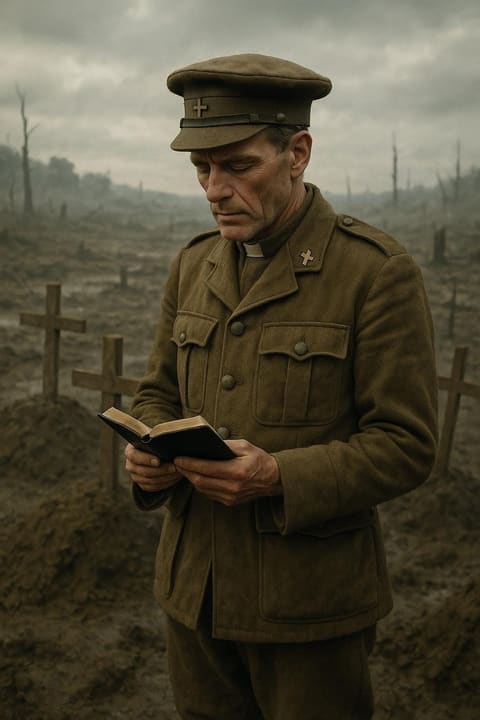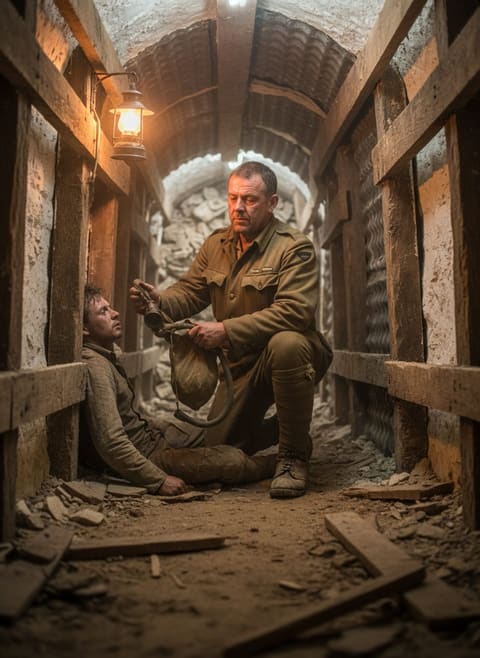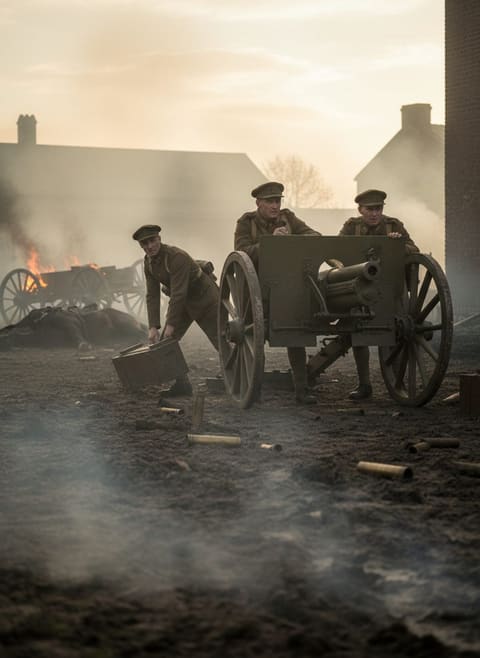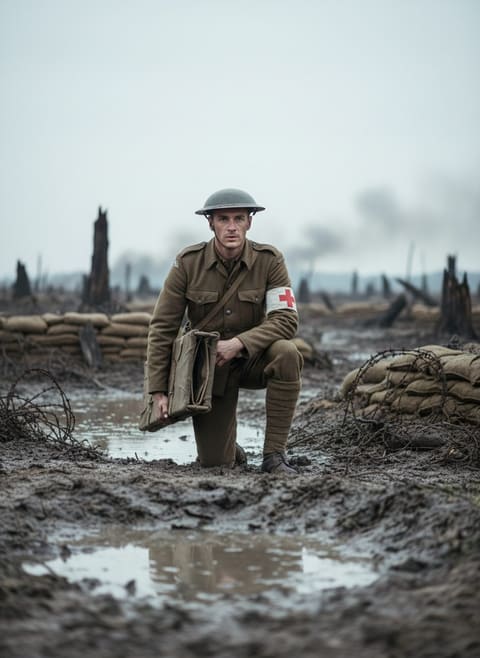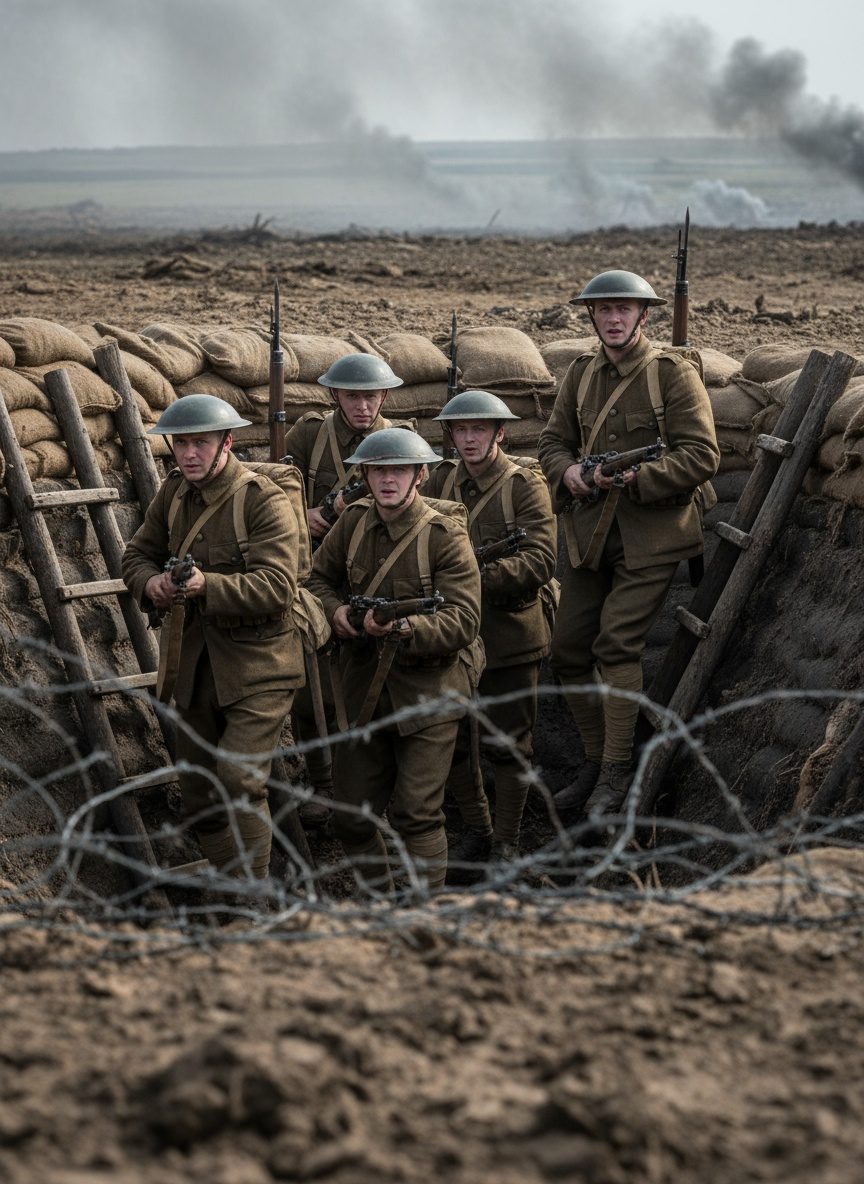
July 1, 1916. The air was thick with the ominous hum of artillery fire.
The Road to the Somme
In the midst of World War One's destructive churning, the British Expeditionary Force faced a grim reality. The Western Front was locked in a bitter stalemate, stretching from the North Sea to the Swiss border. As 1916 dawned, the Allies sought a strategic breakthrough. The Battle of the Somme was conceived to divert German attention and relieve pressure on the French forces at Verdun. General Sir Douglas Haig, the British commander, envisaged a grand offensive along the Somme River, which promised to punch through German defenses and change the course of the war.
The strategy sounded bold on paper, but it underestimated the formidable German fortifications that lay buried beneath and beyond No Man's Land. Over years of preparation, the Germans had transformed the region into a fortified labyrinth of bunkers, barbed wires, and interlocking fields of fire. Nonetheless, Haig and his generals clung to the belief that a sustained artillery bombardment preceding the infantry advance would obliterate these defenses, allowing troops to advance with minimal resistance.
Beyond the Whistles
As dawn broke on July 1, hundreds of thousands of British soldiers prepared for what they believed would be a decisive victory. The artillery barrage had thundered across the front line for seven grueling days, consuming over 1.5 million shells—a testament to industrial warfare's chilling scale. As the clock struck 7:30 a.m., whistles pierced the din, signaling the start. Soldiers clambered out of their trenches, weighed down by upwards of 60 pounds of gear, advancing into an eerie landscape known only as "No Man's Land."
Read next: The Day a British Stretcher-Bearer Refused an Order to Save Lives
But the artillery barrage had not been as effective as hoped. Many German defenses remained intact, and the defending soldiers emerged ready to repel the assault. Machine gunners, having weathered the week of bombardment in deep dugouts, now manned their posts with lethal efficiency. The British lines, moving at a deliberate pace in tight formation, provided tragic targets for the well-positioned German fire. Row upon row fell where they stood, caught in a hellish scenario unanticipated by those who had sent them forward.
The Cost of Miscalculation
What transpired between dawn and dusk on July 1 was nothing short of catastrophe. The British Army lost 19,240 men within hours—a staggering figure, marking the bloodiest day in its long history. Another 38,000 soldiers were wounded, missing, or captured, decimating the ranks of Pals battalions—units formed from volunteers from the same towns and villages, amplifying the impact on local communities as reports reached home.
The soldiers who survived the initial assault faced a nightmarish ordeal. Entities like the Ulster Division achieved some localized success, yet at prohibitive costs and without strategic gains. Communication breakdowns, compounded by the chaotic landscape and faulty planning, exacerbated the disaster. Orders were misdirected or fell prey to the terrain's challenges, as commanders struggled to grasp the on-ground reality amidst the chaos.
Voices from the Front
In the aftermath, the horror filtered back slowly through letters penned by soldiers in shells of calm amid the storm. One of the many untold tales is that of Captain Wilfred Nevill and his men. Tasked with capturing a German position on July 1, Nevill had promised prizes to the platoon that reached enemy trenches first. With footballs tucked under their arms, his company kicked them across No Man’s Land in grim defiance. Nevill fell as he led his men, leaving memories of playful optimism amid tragedy.
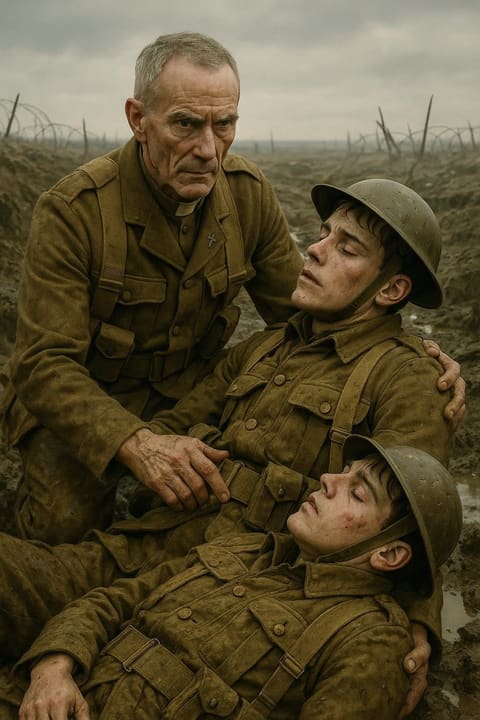
Read next: The Day a Army Chaplain Gave His Coat to a Dying Stranger
The stories of individual bravery amidst systemic calamity were countless. Soldiers like Private William McFadzean, who sacrificed his life smothering a grenade to protect his comrades, left legacies of courage overshadowed by the scale of loss. It was in these personal stories, told and retold in hushed tones and in formal remembrance, that the immense sacrifice regained its poignant human face.
The Lessons of a Dreadful Day
In the broader scope of the Great War, the first day of the Battle of the Somme stands amid the many lessons of how hubris, misjudgment, and unwavering faith in flawed strategies could lead to such costly folly. The carnage of July 1, 1916, served as a stark warning—one that eventually echoed through the halls of military academies and influenced tacticians for generations to come.
The stark images of that summer’s day—of men from across the British Isles, stepping from mud-logged trenches into the maw of death—serve as a perpetual reminder. Twenty thousand lives extinguished before the sunset in just mere hours and the ripples felt through villages, cities, and nations remain a humbling, haunting testament to the cost of conflict. As tragic as it is necessary to remember, the Somme’s legacy compels us to reflect on the human cost behind military decisions, reminding future generations of the enormous responsibility borne by those who command others under their charge.