In the brittle light of early morning, the jagged landscape of the Somme was shrouded in a soft mist. The faint murmur of activity in the trenches hummed beneath the sibilant whispers of the dawn breeze. As the first rays of the sun began to rise above the horizon, their light kissed fields scarred by warfare into unwelcome relief. On 1st July 1916, this serene dawn was shattered by the roars of artillery and the calls of officers, marking the beginning of a day that would become the bloodiest in British military history.
The Calm Before the Onslaught
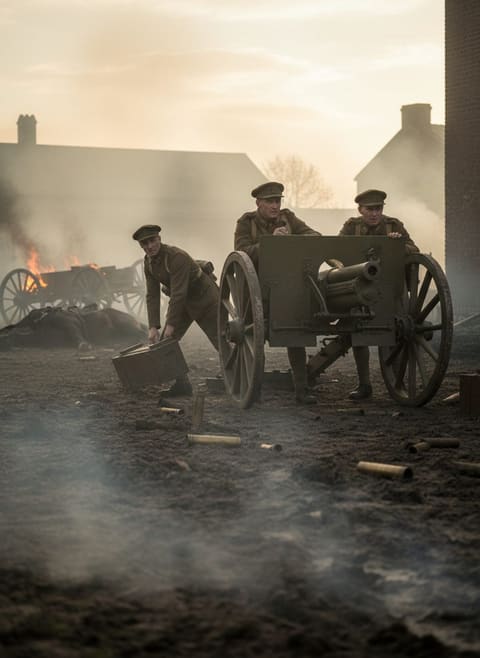
As the clock ticked towards zero hour, the anticipation was palpable. The British forces, primed for an advance, were awash with nerves and resolve. Across the front, seventy-six whistles poised to sound a cacophony that would signal the assault. For weeks, the British artillery had unleashed a thunderous barrage on German positions, a bombardment that was believed to be decisive. The goal was to obliterate the well-fortified German defenses of trenches and barbed wire that lay ahead, flattening the landscape so the infantry could walk unchallenged to victory.
But as the early morning mist lifted, it revealed a different reality. The relentless artillery failings had left much of the German defenses intact. The calculations had overlooked the depth and resilience of the German bunkers, and many shells had either missed or been absorbed by the earthworks. Yet behind a veil of confidence, British soldiers scanned the horizon, unaware of the surprise awaiting them.
The Unforgiving Ground
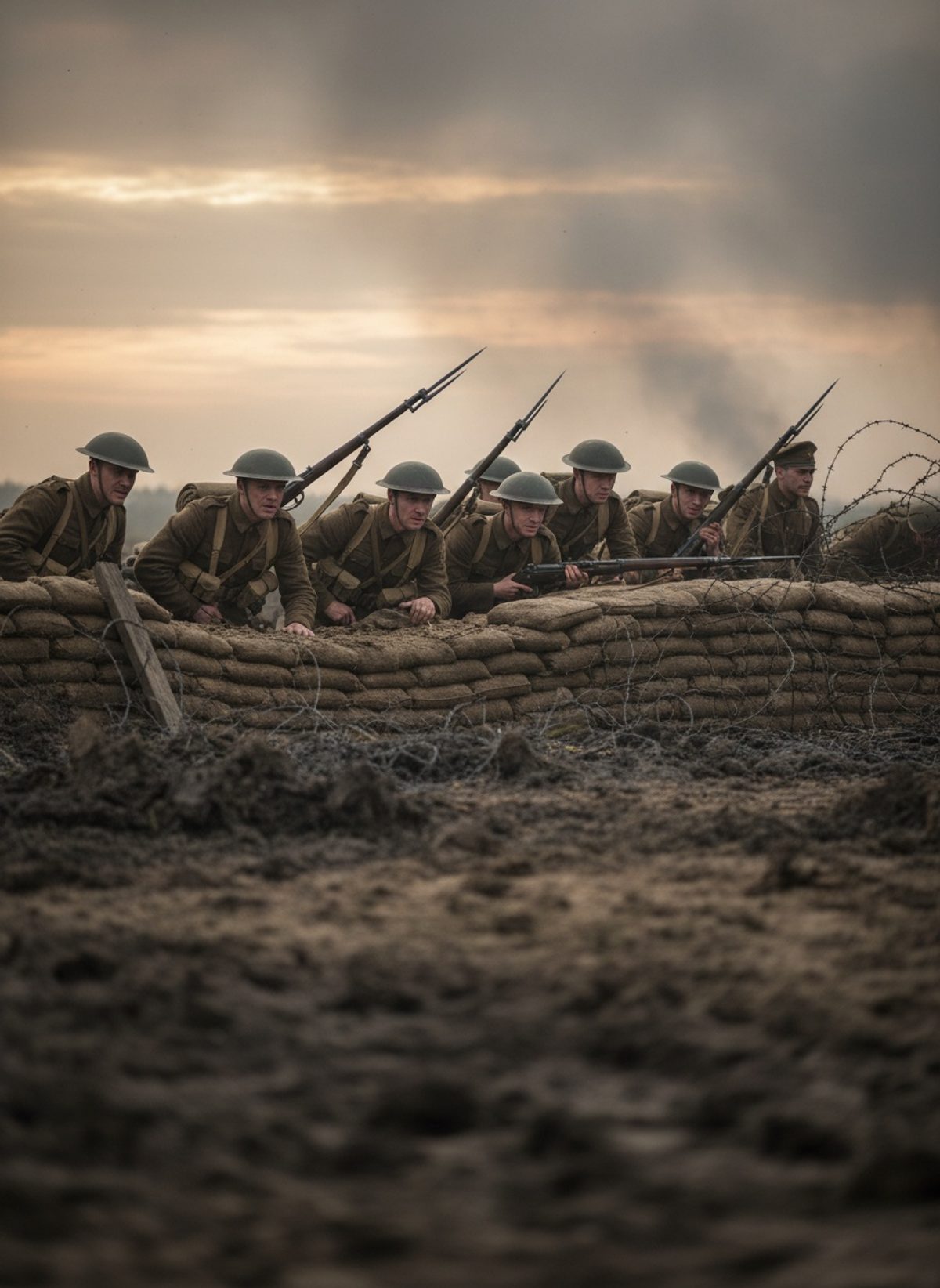
When the whistles blew at precisely 7:30 a.m., lines of men in khaki emerged from their trenches, their figures silhouetted against the smudged morning sky. They advanced at walking pace over a no man’s land riddled with craters and barbed wire, a strategy based on the presumption that the shelling had achieved its purpose. But instead of stepping into defeated territory, they were met with a hailstorm of bullets as German troops emerged from their unscathed positions.
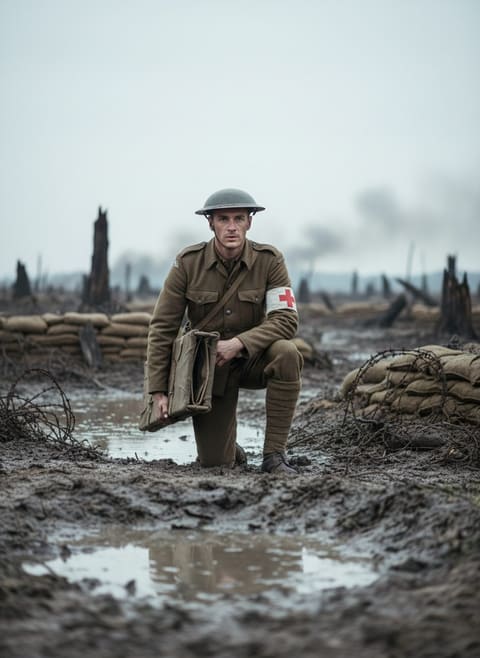
Read next: The Day a British Stretcher-Bearer Refused an Order to Save Lives
The scene that unfolded was a brutal testament to the frailties of wartime strategies and the raw courage of those involved. Machine gun fire tore through lines of soldiers as if rendering through mere paper. Explosions punctuated the relentless rattling of gunfire as bodies fell to the ground, lifeless or mangled. The air was thick with acrid smoke, and the ground soon became slick with blood and churned earth.
The Weight of Silence
As the sun climbed higher, the dreadful reality deepened. By early afternoon, what had been anticipated as a triumphant march bore witness to a generational crisis. The British Army incurred 57,470 casualties within a few anguishing hours, with 19,240 dead by nightfall. Among those who perished were the hopeful youth of entire towns, villages, and communities, their futures extinguished in a matter of moments.
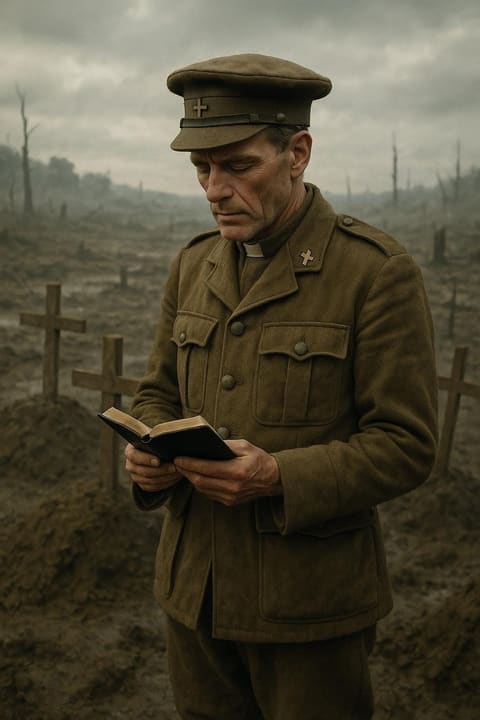
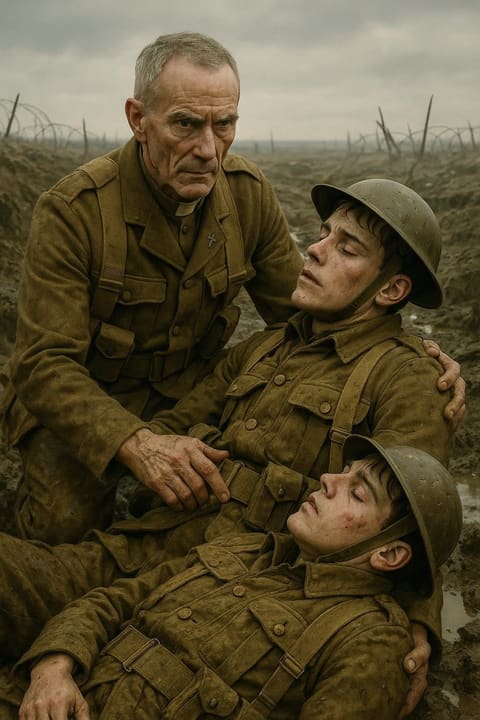
Read next: The Day a Army Chaplain Gave His Coat to a Dying Stranger
Messages were muddied by chaotic communications, and commanders on both sides grappled with the sheer scale of loss. The sound that had dominated the day gradually dimmed, replaced with the symphony of moans and cries for help from the wounded lying exposed in the no man’s land that swiftly claimed lives kept from immediate aid.
The Reverberating Echo
When night finally wrapped the battlefield in silence, the cost of July 1st was starkly clear. This day had transformed verdant fields into mass graves and encapsulated a failure not only of strategy but of human stewardship. It was not just a day of loss but one that echoed into the future with ramifications that altered the course of the Great War and left indelible scars on a generation.
The sheer gravity of this historical moment forces reflection, compelling us to remember not just the numbers, but the profound sense of duty carried forth by those who stepped forward into near-certain peril. The Somme stands as a somber illustration of human courage and the tragic cost of miscalculation in warfare. As we contemplate this day, we must consider our role as stewards of memory, ensuring these sacrifices are neither forgotten nor repeated in silence.