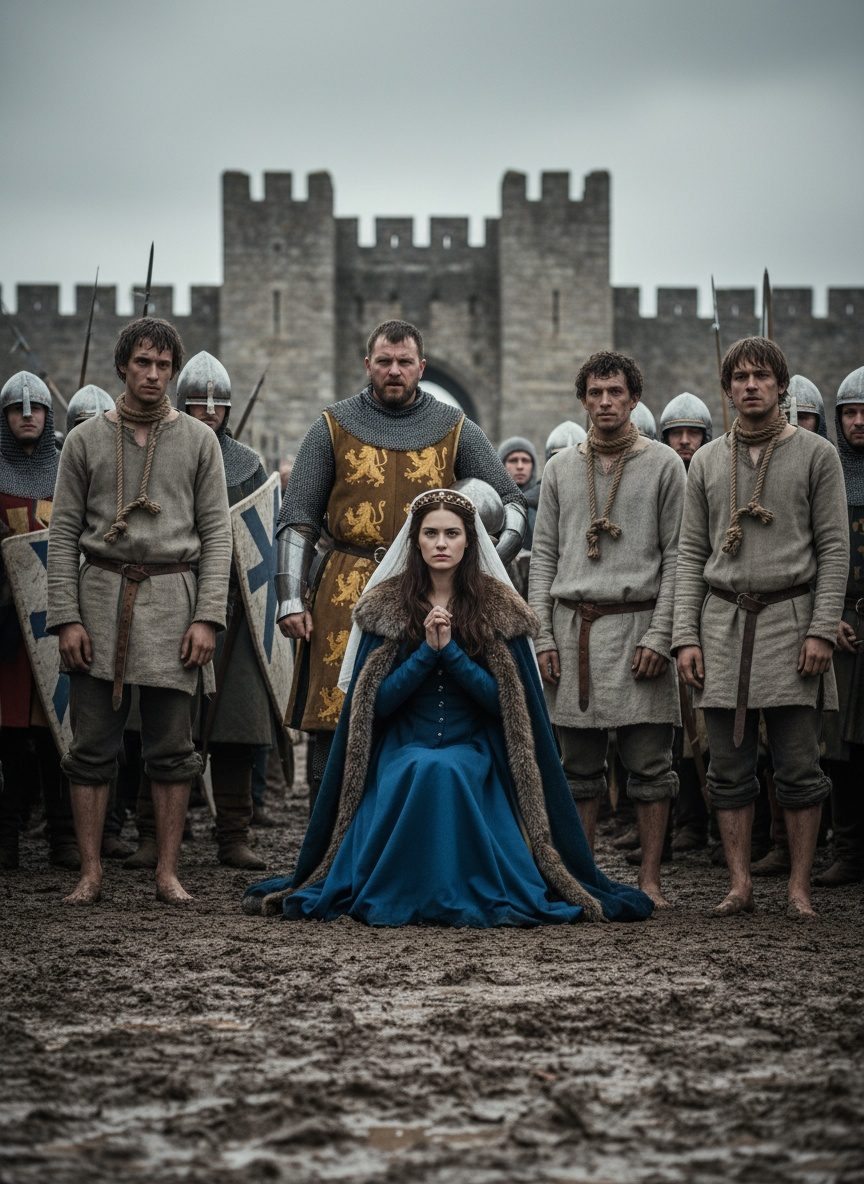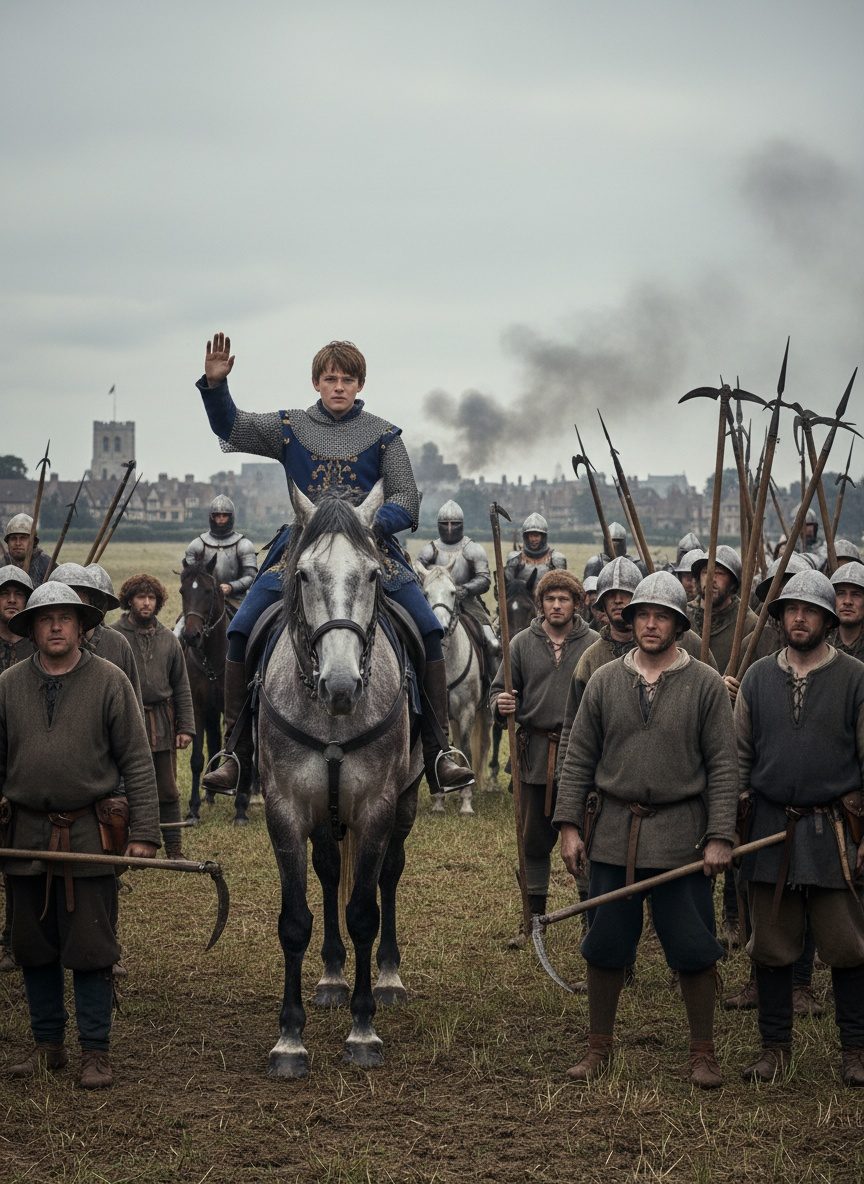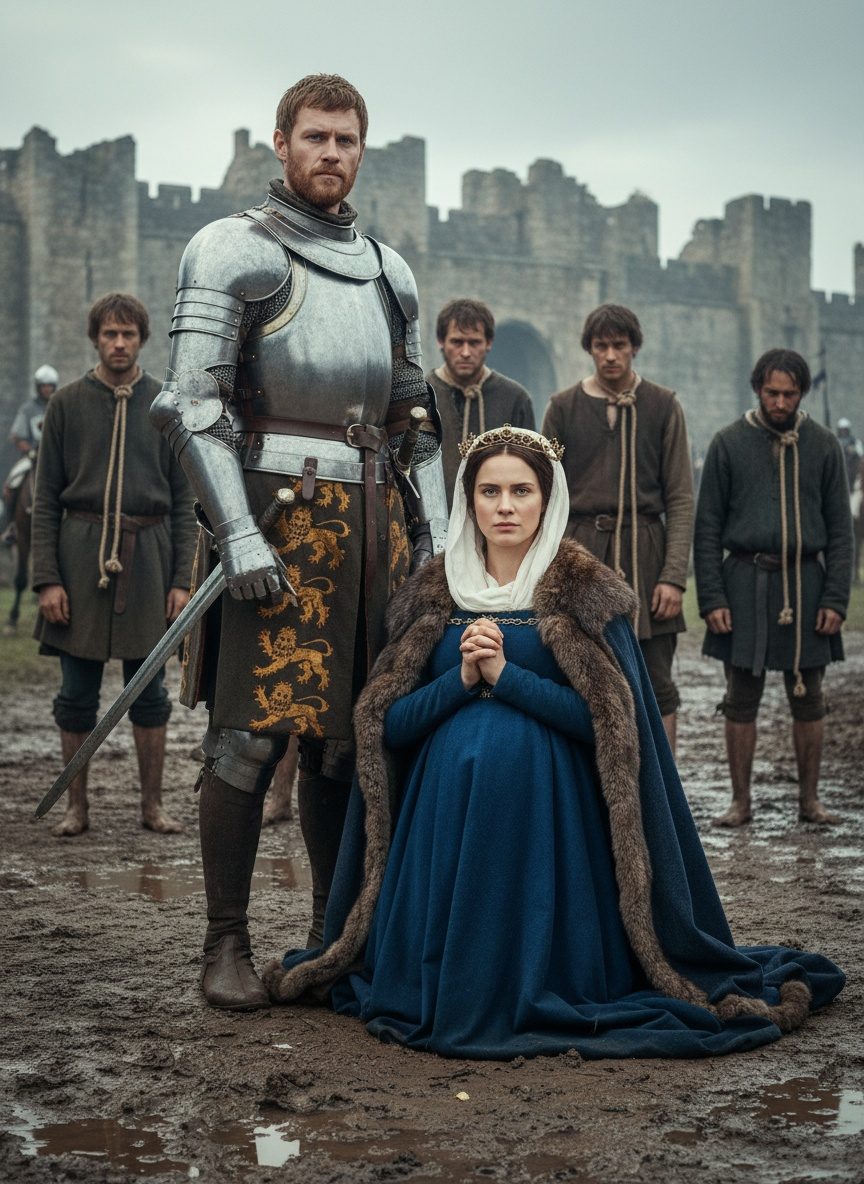
The reign of King Henry III is enshrined in English history. Yet, it's unlikely you know the day a bishop's courage changed its course.
The Turbulent Roads to Lewes
The events leading up to May 1264 were a tapestry of tension, woven from years of political discontent and ambition. England was a land simmering with discord; noble lords were increasingly disillusioned with King Henry III's reign, laden with perceived incompetence and favoritism towards foreign-born courtiers. The king's financial demands and failure to uphold the Provisions of Oxford—a set of reforms intended to limit monarchical power and establish baronial control—stoked the flames of rebellion.
Simon de Montfort, Earl of Leicester and husband to the king’s sister Eleanor, emerged as an unlikely champion for reform. Accumulating support from frustrated barons, he positioned himself as a staunch advocate for change. By May 1264, tensions had reached their zenith. De Montfort's forces positioned themselves to challenge Henry’s loyalist army, a confrontation that promised bloodshed and possibly the end of the Plantagenet line. Lewes, a town unremarkable until then, became the backdrop for an impending clash of ideologies and arms.
A Bishop's Gamble
In this atmosphere of dread and anticipation, one man stepped into the void of violence, seeking peace rather than victory. Richard de la Wyche, the Bishop of Chichester, had no battle prowess to boast of, nor did he wield any political power substantial enough to command armies. Yet, he bore something altogether different and, perhaps, more formidable—a deep conviction in peace and the moral authority of the Church.
Read next: The Day an English King Drowned an Army in a Marsh
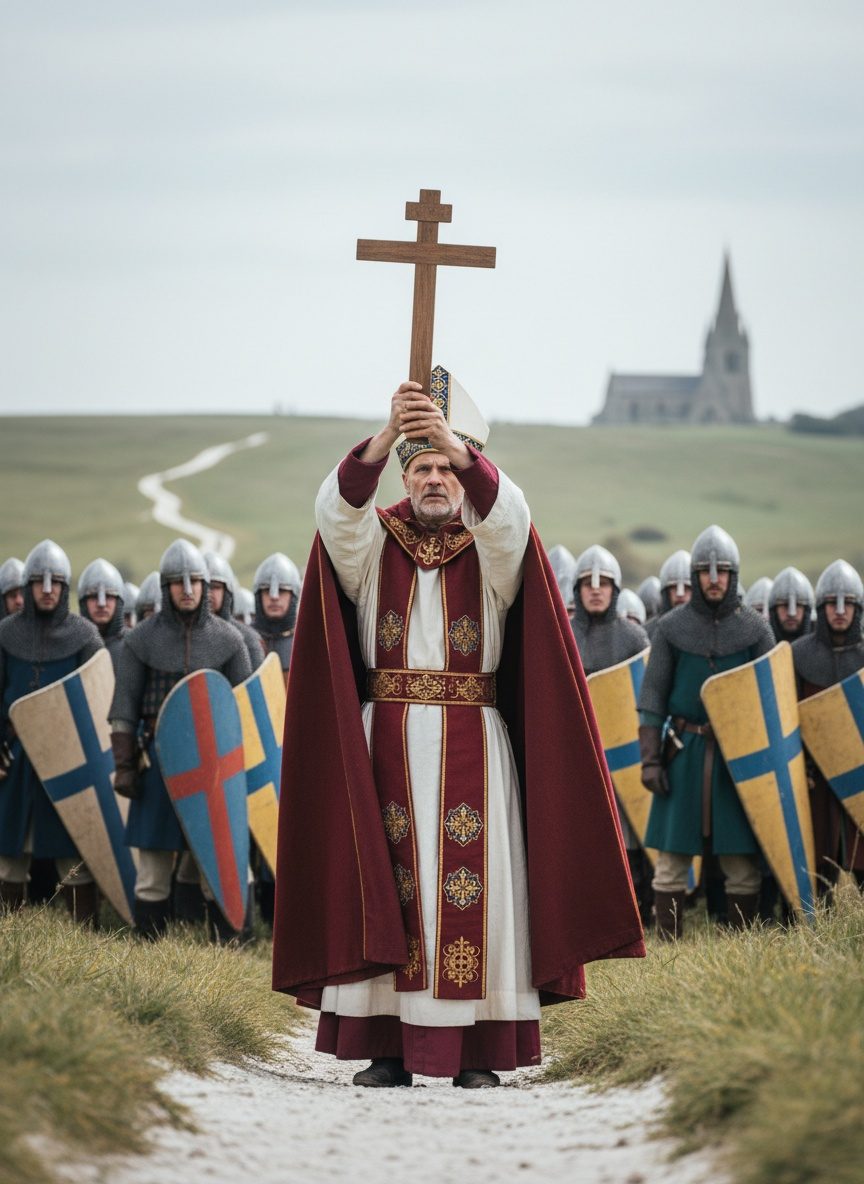
Clad not in chainmail but in clerical robes, the bishop walked the treacherous path between two hostile forces. The sight of him proceeding unarmed, protected by nothing more than the cross he carried, was perhaps more striking than the clangor of swords that awaited either side. Few could fathom his bravery, which bordered on recklessness, yet it was this act that etched his name into the annals of untold history.
The Heartbeat of a Nation at War
Looming over the hills of Sussex was the threat of slaughter, felt keenly by the residents of Lewes who braced for devastation. Within the town, anticipation thrummed like a war drum, amplifying the fear of death and destruction that clung to the air. Legend has it that De la Wyche's presence hung as a soothing balm against this tide of impending violence. In the dawn light of May 14th, he negotiated with grace and conviction, not as an intermediary, but as a witness to the higher calling of peace.
The terms he carried were not convolute but simple: a pause in hostilities and a call for dialogue. His words, disarming in their sincerity, challenged the sensibilities of hard men who had known only conflict as a solver of disputes. Standing at the crossroads of history, he reminded both king and conqueror of their shared duty to the land they risked tearing asunder.
Uneasy Peace and Lasting Change
De la Wyche’s efforts were not immediately rewarded by resounding unity. Yet, his courage initiated a shift, allowing for both sides to re-evaluate their positions. The subsequent Battle of Lewes ended with what became known as de Montfort’s victory, leading to the establishment of England’s first elected parliament—a foundation stone in the evolution of modern democracy.
The bishop's actions resounded far beyond that one day. His success in brokering an armistice, however momentary, illuminated the potential of peaceful intervention. As history unfolded, the English Civil War era saw how this democratic framework could challenge autocracy. For De la Wyche, the intervention at Lewes stamped his reputation with more than mere religious devotion; he became emblematic of the power of individual bravery in the pursuit of common good.
In a world often scarred by divisiveness, the tales of those who manage to bridge divides provide us with valuable lessons. The image of a lone bishop, bathed in sunlight between two armies, reminds us of the potential to seek peace above the thunder of war. In these untold histories lies a narrative that pulses with relevance, whispering hope to a world still angling for balance and justice. The story of Richard de la Wyche challenges us to believe in the potential for one voice, speaking not for a faction but for humanity, to make a profound impact.