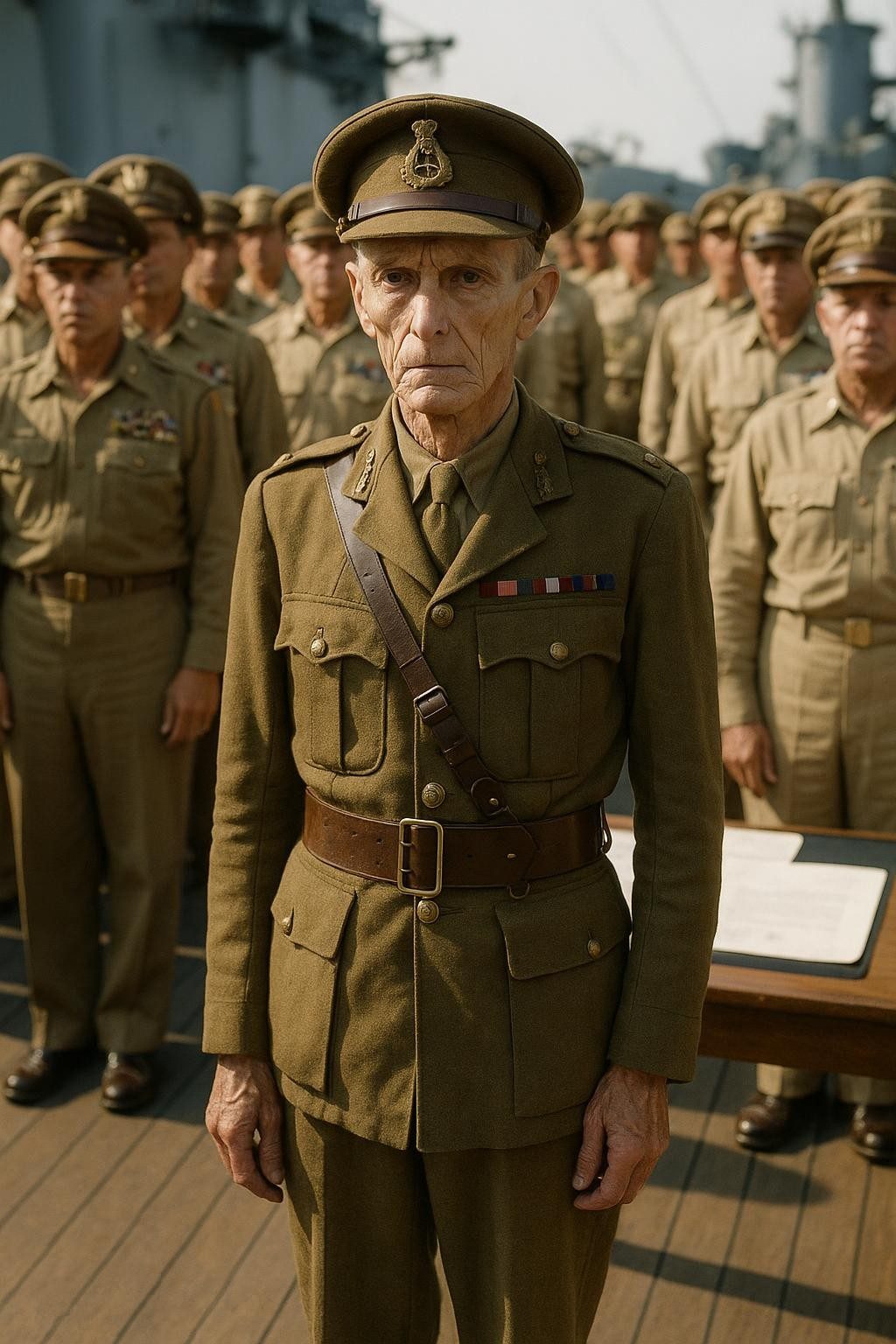
Dust swirled around Lieutenant General Arthur Percival's polished boots as the bamboo gates swung open. The oppressive humidity of a Manchurian summer pressed down on the crowd, but nothing could dampen the significance of the day. The roar of a military plane overhead barely registered with those who gathered, as all eyes were fixed on the table set in front of them. There, the culmination of years of turmoil and sacrifice was about to be sealed with ink and the quiver of a pen. For Percival, this was the moment he had longed for during three and a half years of captivity, a poetic twist of fate that would see his captor humbled publicly, just as he once was.
A Bitter Memory in Singapore
As the tropical rain battered the roof of the Ford Motor Factory in Singapore, February 1942 was a date Percival would never forget yet hoped to exorcise in time. Four days of relentless siege, dwindling supplies, and mounting casualties left him with little option. Against protocol and any natural military inclination, he made the agonizing decision to surrender the island. In the searing pain of defeat, he walked out under the pallid sky, carrying a simple white flag—a flag that signified one of the greatest defeats in British military history. Eighty thousand men laid down their arms that day, stunned by the need to capitulate to an aggressor significantly fewer in number.
The Japanese, led by General Tomoyuki Yamashita, numbered around 30,000. They had marched down from the Malayan Peninsula with a ferocity and strategy that blindsided the Allied defense. Percival, caught in a tidal wave of unforeseen warfare, became the face of this ignoble chapter. His reputation and that of his country suffered a crushing blow, one that reverberated through the hearts of every man signing away their freedom alongside him. Yet, even as he faced humiliation, Percival maintained a stoic composure—internally, he vowed that this was not the end of his story.
Behind Barbed Wire
The following years in captivity pushed the limits of human endurance. Interned first in Changi Prison and later transported to the colder climes of Manchuria, Percival and his fellow prisoners of war faced deprivation and uncertainty. Days bled into nights with the monotony of survival. Every meager meal, scrounged from rations hardly fit for sustenance, was a reminder of the life they had been unwillingly drawn away from.
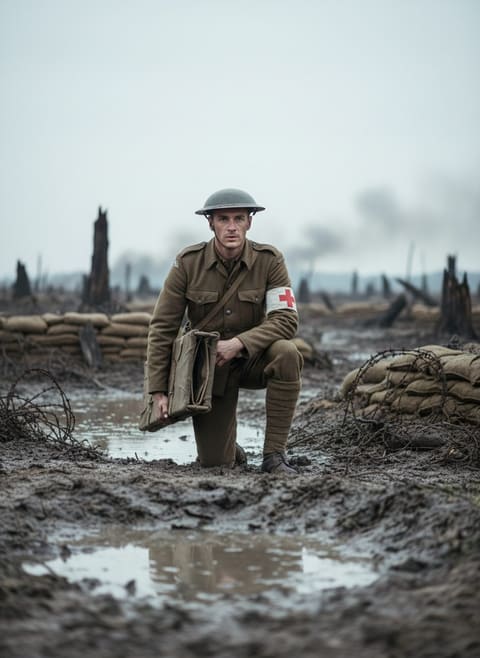
Read next: The Day a British Stretcher-Bearer Refused an Order to Save Lives
Yet in this crucible of despair, Percival found an unexpected strength. He engaged in small acts of defiance where possible, keeping morale up by organizing educational lectures and clandestine methods to receive news from the outside world. Little did they know that their enemy's resources were dwindling, coinciding with a relentless Allied push across the vast Pacific Theater. As he looked at Yamashita's propaganda broadcasts—vain boasts of invulnerability—Percival took notes, anticipating a future that would flip the scales of power once more.
The months stretched into years. With the Allied forces' slow and mighty re-encroachment, whispered hopes of liberation grew louder. Then, the war's tide turned decisively against the Axis powers, setting the stage for the reckoning he had silently awaited. There was a simmering destiny in store—for all who had seen defeat, justice was drawing ever nearer, penned by the might of Allied resolve.
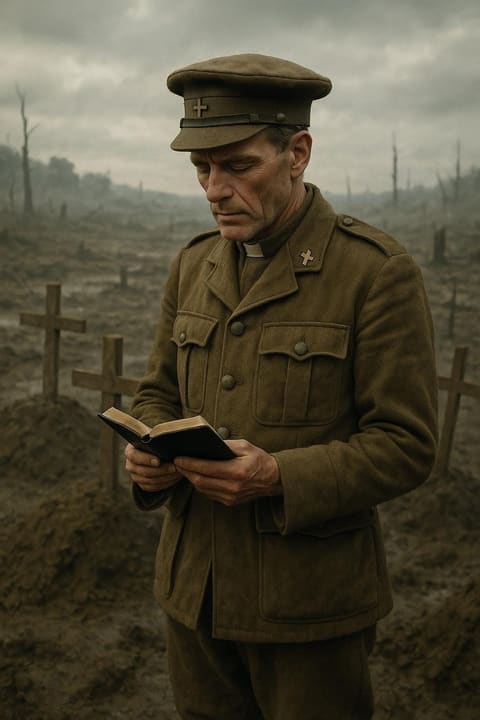
Read next: The Day a Army Chaplain Gave His Coat to a Dying Stranger
The Imperial Sun Set
On the 2nd of September, 1945, the world paused to witness the end of the conflict that had consumed it. Arthur Percival stood beneath the blazing sun at Yokohama, watching the same General Yamashita, the man who had once reduced him to history, now brought to account. The irony of it all was not lost on Percival. As Japanese officials formally surrendered to Allied forces in ceremonies across the Asia-Pacific theaters, he understood the profound significance of forgiveness and perseverance.
The air was thick with a mix of relief and solemnity. Soldiers who had tasted the bitterness of captivity and the sweetness of victory alike stood in quiet reflection. That same day, on the deck of the USS Missouri in Tokyo Bay, officials formalized World War II’s conclusion. Yet, Percival's vindication was a more personal one—his duty had come full circle, from the calamities of Singapore to the restoration of dignity amid the surrender of his adversary. There, in the widening breadth of a new peace, Arthur Percival could begin to forge peace within.
This account of Percival’s redemption is more than a tale of military triumph. It is about resilience and the unexpected pathways of justice. Just as the British Empire reeled from its defeat, so did Japan from its eventual surrender. The cycle of war had ended with a convergence of past and present facing forward. As we look back, it teaches us that history's greatest battles are sometimes fought in the silent quest for redemption and reaffirmation. Arthur Percival’s journey from the shadow of defeat to the brilliance of restored honor is an enduring reminder of the tenacity of the human spirit. The pen mightier than the sword, in the end, closed a chapter that will forever linger in the annals of untold histories.