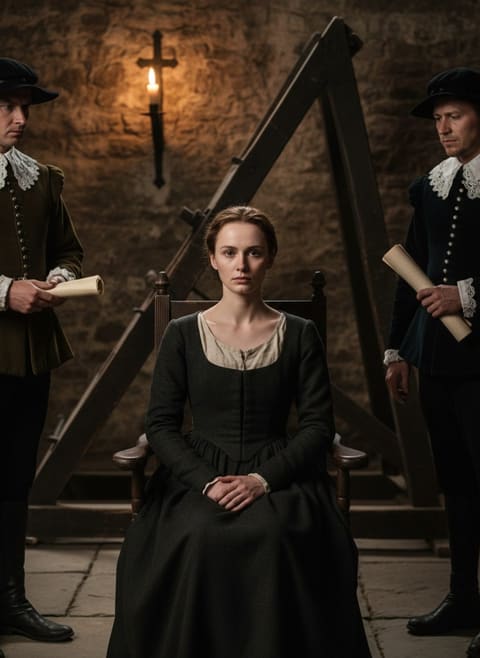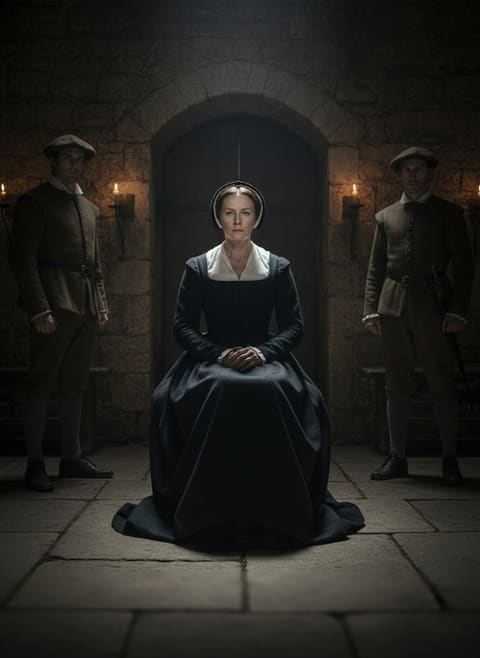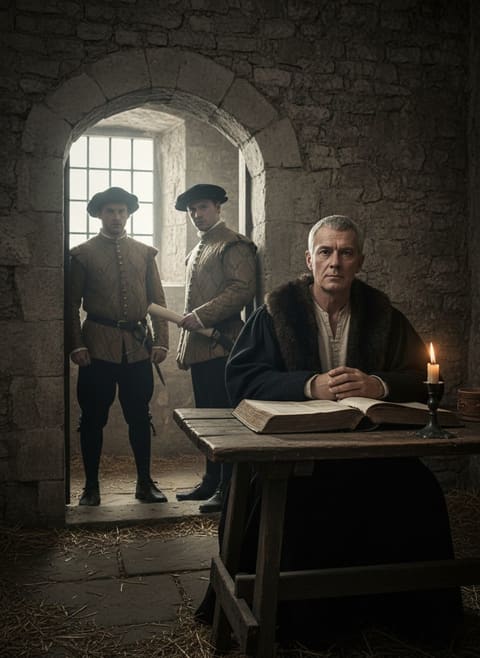
Oliver Cromwell was buried with the honours of a head of state. But it was his rotting corpse that faced its most infamous judgment.
The Rise and Fall of Oliver Cromwell
Oliver Cromwell dominates the pages of British history not only with his political acts but with the ghostly shadow his unyielding spirit cast over the Restoration. As Lord Protector of the Commonwealth of England, Scotland, and Ireland, Cromwell had disrupted the natural order of a monarchy under divine right. He had signed the death warrant of King Charles I and established a republic that stunned Europe. Yet, by the time he took his final breath on September 3, 1658, his ambitious governance had already begun to unravel. The turmoil that followed his peaceful death in Westminster Abbey was scarcely imaginable for a man who had commanded so much power and respect.
Two years later, with England once again a kingdom under Charles II, the spectre of Cromwell could not be ignored. His death did not absolve him of the perceived treason against the monarchy, and it certainly did not quell the bitter resentment harboured by royalists. The monarchy sought not only to reclaim its throne but to avenge the shame Cromwell had brought upon it. This was a sentiment that culminated in a spectacle both grim and surreal—a posthumous execution, as darkly theatrical as would befit the Restoration's dramatic return to power.
A Royal Return and a Gruesome Order
With Charles II's return to England in 1660, the country was charged with a blend of jubilation and vengeance. The Restoration was celebrated with grand pageantry, but in its shadow lay a festering desire to right the egregious wrongs of the past decade. Among the symbolic acts of restoration was the exhumation of Cromwell's body, a stark testament to the vendetta held against him.
Read next: The Day a Tudor Chancellor Chose Death Over a Royal Lie
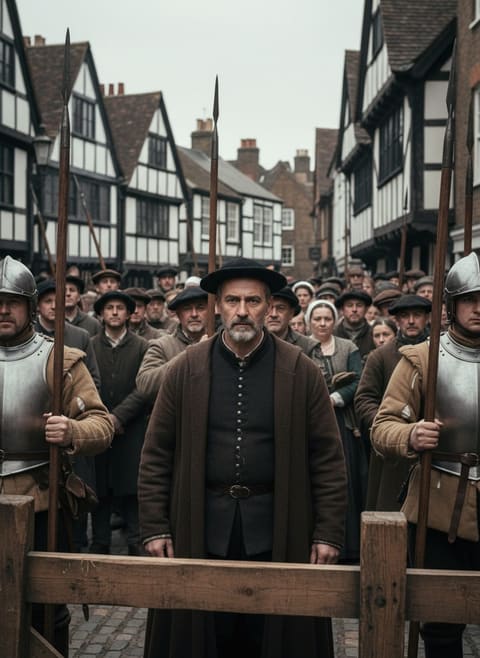
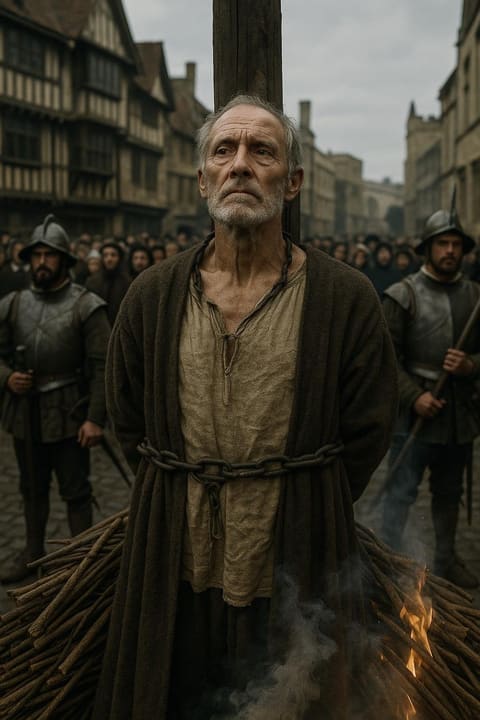
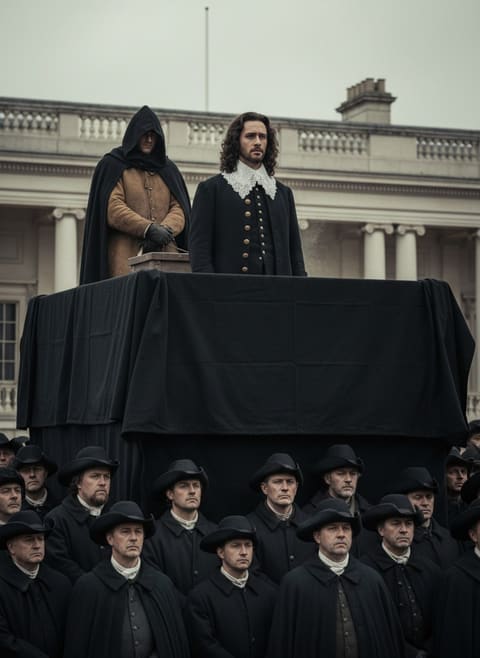
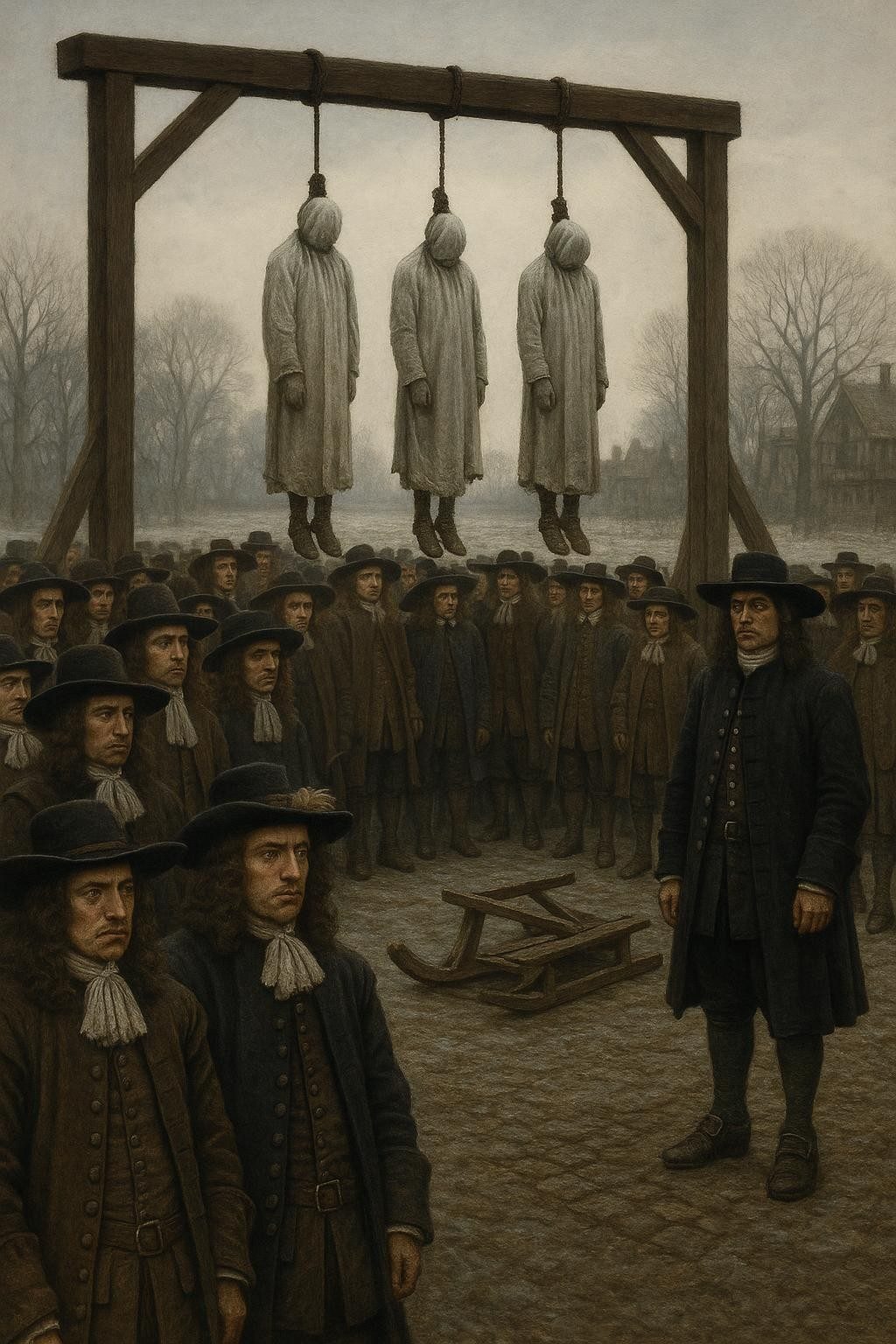
On the fateful day in January 1661, crowds gathered to witness what seemed like a macabre form of judicial retribution. Cromwell, having been buried with full state honours in Westminster Abbey, had his remains disinterred in the dead of night. Accompanied by the remains of fellow regicides John Bradshaw and Henry Ireton, his body was transported through the cold streets of London to Tyburn, the notorious site for public executions. It was there, on a scaffold crested with the chill of winter, that Cromwell's corpse was posthumously hanged—an act designed as much for spectacle as for symbolism.
The Execution of a Memory
Why hang an already lifeless body? The answer lies in the peculiar psychology of political theatre. In the eyes of the monarchy and the Restoration government, Cromwell's execution was a ceremonial act of cleansing. It served to exorcise his lingering influence, to erase the legitimacy his regime once held, and to deter future insurgence. The spectacle was gruesome by design, a vivid reminder of the fate awaiting those who dared to challenge the divine right of kings. The paradox of executing a dead man was lost on few, but for Charles II and his loyalists, it marked a definitive closure to a turbulent chapter.
Once cut down from the gallows, the execution ritual was not concluded. The next step was beheading, the act which metaphorically struck at the heart of Cromwellian legacy. Once severed, his head was mounted on a pike and placed prominently for all to see at Westminster Hall. For 24 years, until a storm finally displaced it, Cromwell's skull served as a stark relic of royal vengeance, hanging high as a grim warning to all.
Read next: The Day a Tudor Bishop Refused to Crown a Usurper
The Lessons of Atoning Vengeance
The tale of Oliver Cromwell’s posthumous execution is an unsettling episode in British history—one that underscores the lengths to which political power will go to rewrite narratives and reclaim authority. The trial, conviction, and execution of a corpse is an act that defies logic by the standards of any age, raising questions about justice and its application amid political upheaval.
This story of retribution, while seemingly grotesque, underscores the complexities of human governance and power dynamics. It highlights how deeply ingrained the notions of monarchy and sovereignty were, how strongly the Restoration sought not just to govern, but to redefine the identity of a nation. In digging up the bones of the past—quite literally—Charles II and his parliament hoped to bury the spirit of rebellion.
But does such an act of symbolic vengeance truly achieve its aim? Or does it merely immortalize its target through the dramatic reenactment of history? As we unravel this bizarre chapter, it remains a potent reminder that the echoes of power, conflict, and human ambition often resonate louder from beyond the grave than they ever did in the words and deeds of the living.