June 1215. The low murmur of campfires echoed across Runnymede's meadowland, their flames a flicker against the evening's haze. The heavy, sullen air seemed to press upon the men encamped beside the Thames. A king and his unruly barons stood on the cusp of reshaping their kingdom.
King John, the man at the heart of this gathering, had spent the better part of his reign embroiled in conflict and controversy. Known for his ruthless tax policies and tyrannical rule, John had pushed the patience of his barons to breaking point. His insatiable demands for money to finance numerous failed military campaigns left the English nobility reeling under the weight of financial ruin. The walls of rebellion closed in when his oppressive practices extended beyond mere taxation—he imprisoned his foes without trial and manipulated the courts, transforming justice into a commodity for the wealthy. However, the seeds of discord were sown long before this infamous June.
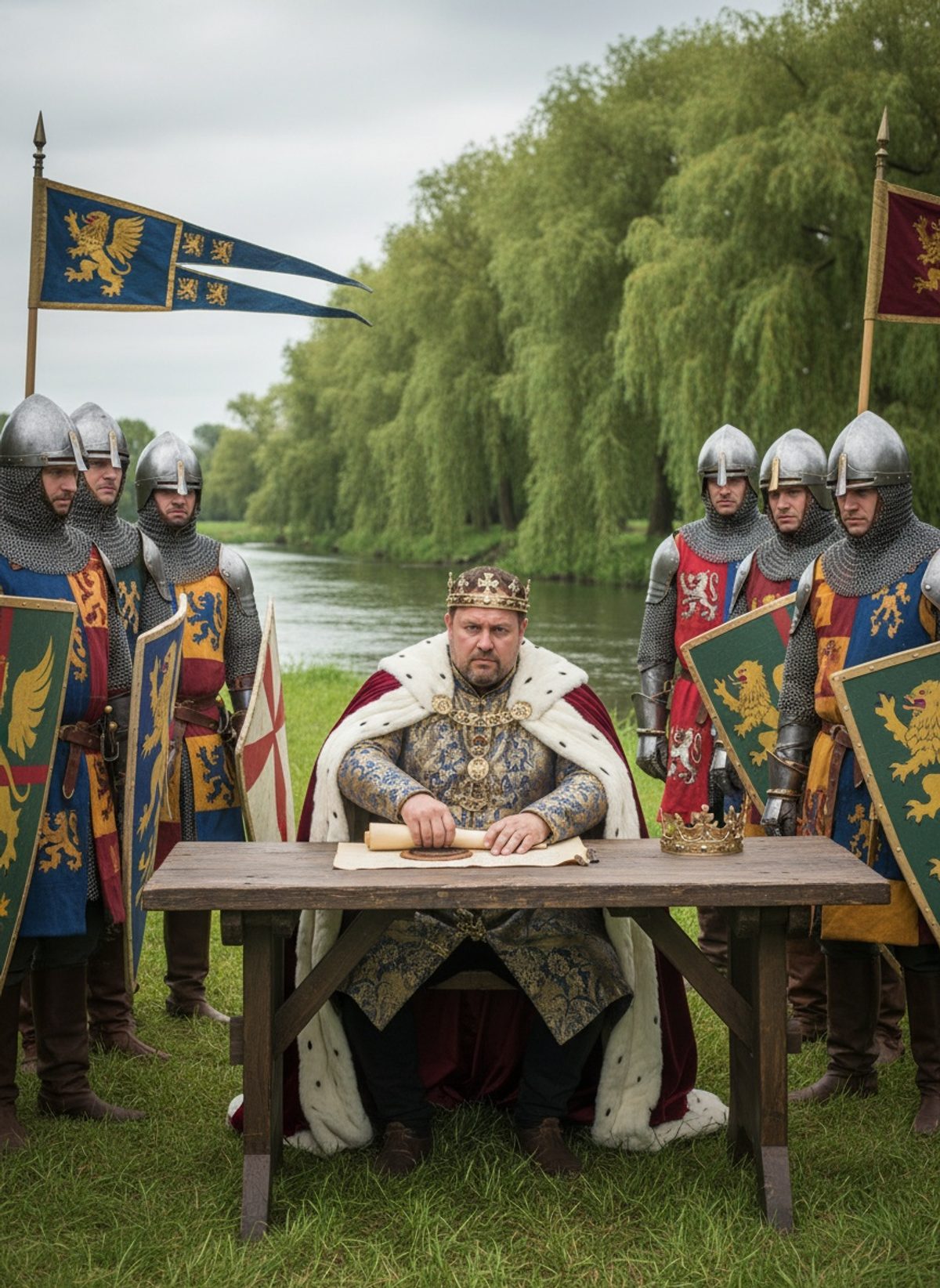
It was on this patch of earth along the River Thames that history took a new turn. To John, it might have seemed just another means to buy time and stave off rebellion, yet to his barons, it was an opportunity: a chance to assert their rights and pin down the liberties they believed were being eroded. John’s reluctant journey to Runnymede was far more than a mere strategic withdrawal; it was an admission of vulnerability. The location itself served as neutral ground, a symbolic meeting place where the soil was common and no man's land.
The signing—or rather, the sealing—of the Magna Carta was not a spontaneous concession by a troubled monarch but rather the culmination of fierce negotiation and deep-seated resentment. The few months leading up to this day had seen John’s own barons wrest London from his control, the ultimate display of their resolve and dissatisfaction. These were not mere lords acting out against a despised ruler; they were scions of noble families, custodians of land and lineage, driven by a collective sense of survival and justice. Their identities anchored in the firmament of the realm's order, they sought assurance that their king would rule with respect to the ancient customs and laws of England.
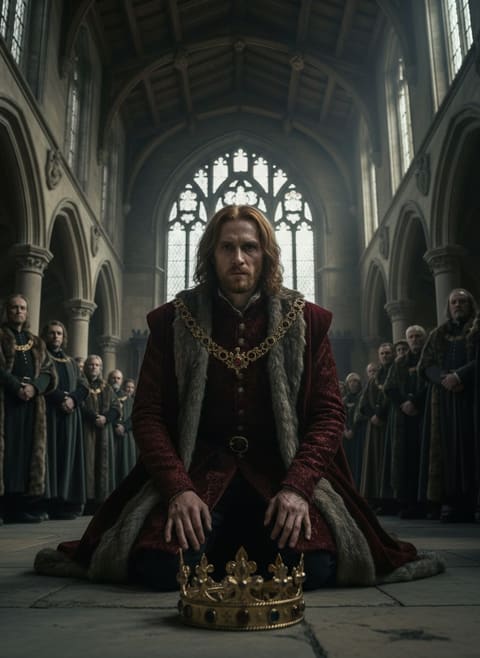
Read next: The Day a Tudor Prince Knelt and Gave Up Everything
For the barons, the presence of an ailing king presented an opportunity to strike. There was a growing realization that no man, not even he who sat on the throne, should be above the law he imposed. The stage was set for a seismic shift—a charter that would assert the right of the land to hold its sovereign accountable.
What was miraculously extracted from John during those tense days in June was not just a list of banal stipulations about feudal duty or obscure fishing rights, but a powerful testament to the power of collective bargaining. Clause after clause, the Magna Carta laid down ambitious affirmations of freedom. It restricted the king’s ability to levy taxes without common counsel and sought to protect the rights of free men to justice, codifying procedures such as habeas corpus centuries ahead of its time. Though initially aimed at a small group of nobles, the charter contained the unmistakable seed of universal liberties. It unwittingly planted the notion that the law could act as both the shield and sword for the subjects against the crown's caprices.
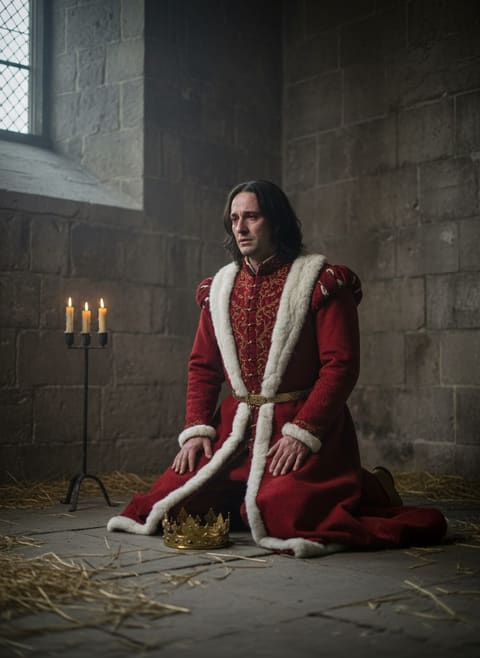
Read next: The Day a King Knelt and Begged Forgiveness From His People
Runnymede, stitched into the fabric of English history, earned its immortality through words etched into parchment on a king's table. These words, once ceremonial and fragile, would echo profoundly through the corridors of time and law, serving as a foundation for future declarations of human rights around the globe. The barons at Runnymede might not have grasped the full magnitude of their efforts, but their insistence on codifying these rights cemented an idea—that no ruler was untouched by the constraints of justice.
John, crafty as ever, had little intention of adhering sincerely to the agreement he had made under duress. Nevertheless, the impact of that fateful June far outreached even his strategic machinations. Although many provisions in the original document were soon discarded or ignored, the idea of a monarch submitting to a charter set a precedent that would remain insurmountable. The Magna Carta became a symbol of an ongoing struggle—the eternal grappling for power between the governed and those who govern. From Plantagenet England to the birth of constitutional democracy, the enduring struggle for liberty and fair governance keeps the echoes of Runnymede alive in the modern era.
Though King John died the following year, defeated, in part, by his physical frailty and the ghosts of political battles left unwon, his reluctant legacy lived on far beyond the Plantagenet line. The significance of the Magna Carta’s genesis—crafted in a meadow beneath the contentious glare of baronial might and kingly resistance—lies not in its immediate efficacy but in the durable foundation it provided. It represents the perennial human aspiration to live under laws that serve rather than subjugate, and in an era where power was often asserted and seldom questioned, Runnymede heralded the dawn of accountability. The twilight that precedes change had never glinted so brightly, and the Magna Carta would forever serve as a beacon reinvigorating justice with every iteration through the epochs.