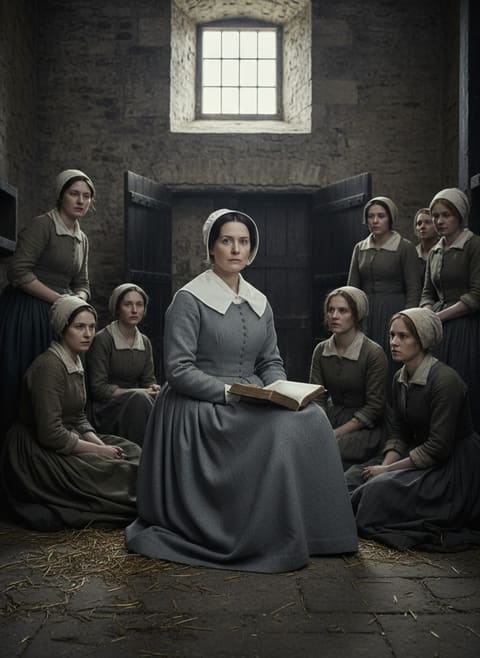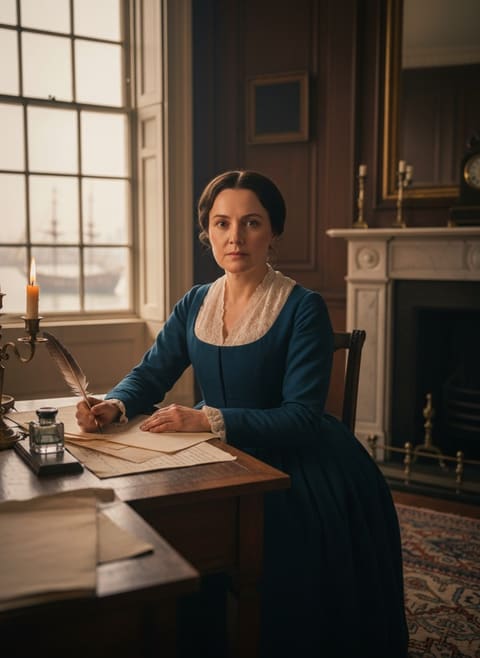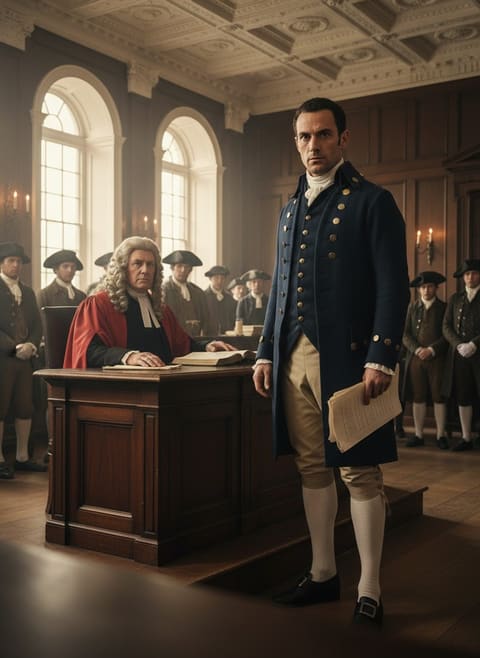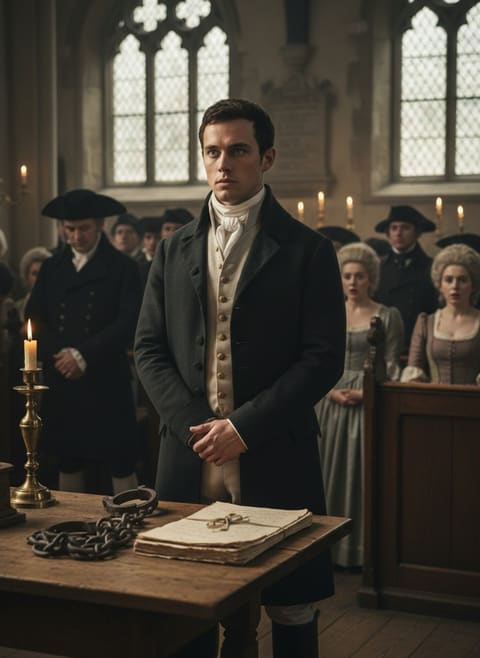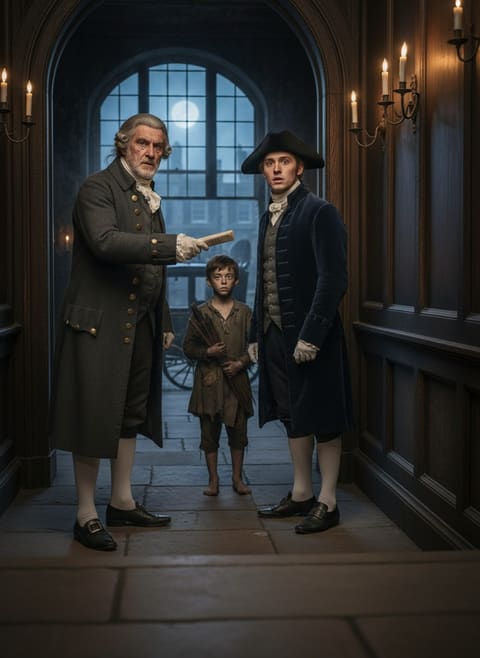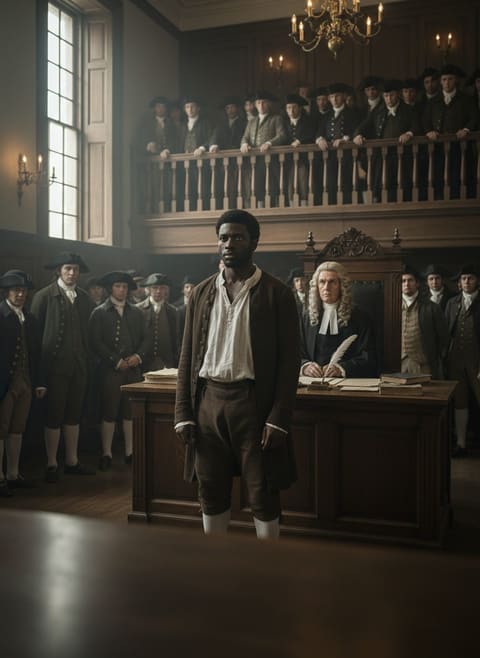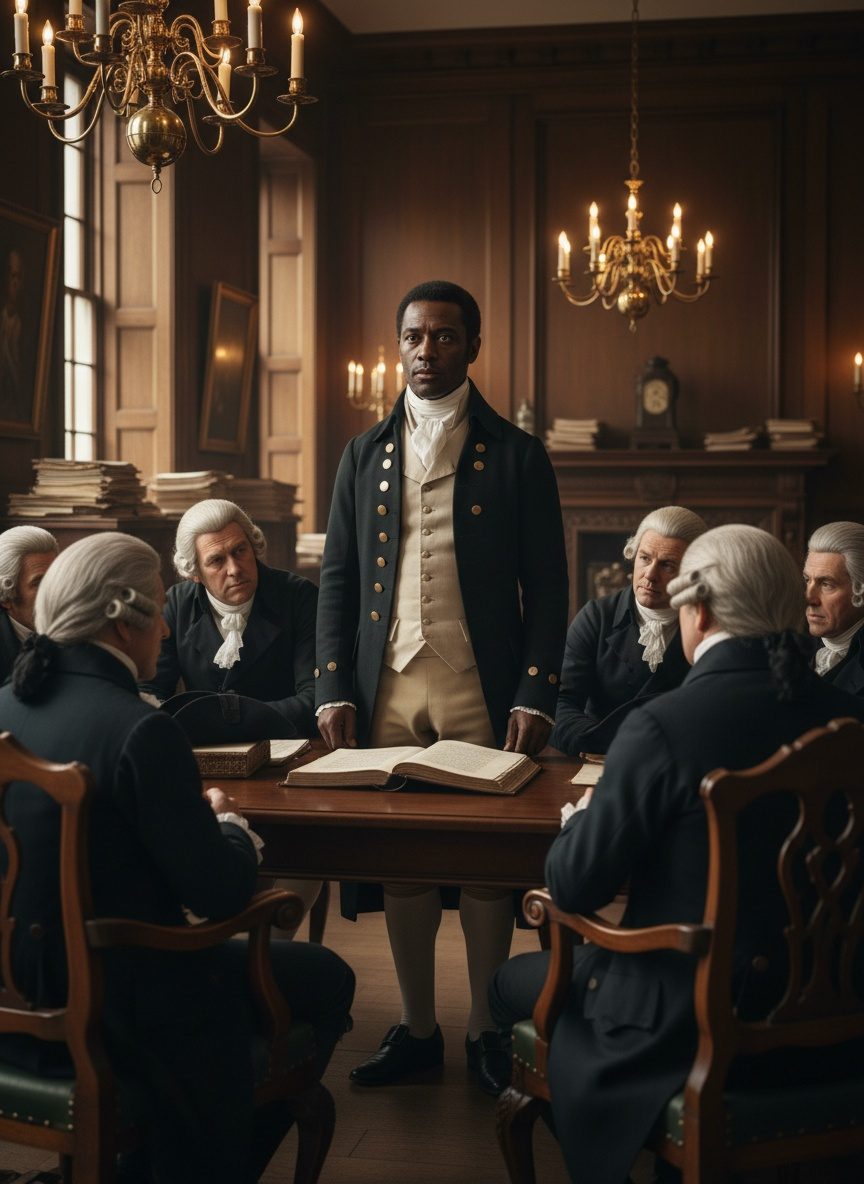
He stood in the center of a crowded London hearing room. Olaudah Equiano hadn't planned to be here, yet his words would make history.
A Journey Across Oceans
To understand how Olaudah Equiano turned a courtroom into a pulpit, we must first understand his extraordinary voyage across oceans and continents. Born in what is now Nigeria, Equiano was kidnapped as a child and sold into slavery like countless others in the 18th century. However, his life would diverge dramatically from the tragic narratives of many of his contemporaries.
Equiano was shipped across the vast Atlantic Ocean, a voyage that today haunts the collective memory of global history. He experienced firsthand the horrendous conditions of the Middle Passage, where human beings were packed as cargo with little regard for their dignity or survival. Yet, amid this darkness, Equiano absorbed the skills and languages that would later become instrumental in his life's mission. Regaining his freedom through purchasing it with money earned at sea, Equiano became a sailor for hire, a man endlessly at the mercy of the winds and tides but resolutely master of his own destiny.
By 1788, Equiano had traveled the world extensively. His understanding of commerce, languages, and human nature was rare for any man, let alone one born into chains. Yet his purpose was not merely to recount tales of adventures and sea voyages. Equiano saw his calling written in his memoir—documenting the brutal realities of slavery, offering a voice for those still shackled and despairing.
Read next: The Day a Black Sailor Walked Into Court and Freed Himself
Memoirs on the Table
Equiano's memoir, placed resolutely on the table before the parliamentary committee, was not just a book. It represented testimonies of souls long silenced and lives brutally extinguished—a document that would soon challenge those who viewed the slave trade as necessary. His book, "The Interesting Narrative of the Life of Olaudah Equiano," was an eye-opener, a harpoon aimed at the heart of Britain's conscience.
Penned with precision and artful detail, the memoir took Britain by storm. Within its pages, Equiano described not only his own life but that of countless others who had been traded as commodities. Readers found a compelling account that rivaled even the most romantic tales of the age, yet it was entirely real. Equiano managed to transform personal tragedy into universal cause, turning ordinary parlors and hearing rooms into places for reflection and repentance.
As he addressed the committee, Equiano spoke with a calmness that belied the chaotic emotions that the subject matter stirred within him. His clarity and conviction illuminated the dark truths of slavery, unraveling the justifications that many Britons had used to ignore or endorse the trade. In the electrified silence, the absence of rebuttals from those who once ardently defended slavery spoke volumes.
The Anatomy of a Hearing
The scene on that day in London was a convergence of contrasting worlds. British gentlemen in powdered wigs, accustomed to debating the intricacies of trade and policy, found themselves an audience to a former slave whose empirical knowledge of these topics far exceeded textbook descriptions. These men, faces hardened by years of political maneuvers, now showed visible signs of discomfort, shifting in their seats as Equiano laid bare the skeleton of their society's moral hypocrisies.
Equiano stood not merely as a voice for abolition but as a living testament to the resilience of the human spirit. He shared anecdotes with the poise and eloquence of a practiced storyteller. Each word seemed to carry the weight of thousands of souls, a haunting reminder of the ongoing atrocities happening just beyond Britain's shores. The people in the room were confronted with the harsh reality that the man speaking before them was as British as they were—an individual molded by his own complex history within the empire's fold.
Read next: The Day a London Clerk Walked Into Court for a Dying Slave
Equiano’s testimony was more than an account; it was an undeniable challenge to the conscience of those present. The esteemed members of parliament, typically so comfortable in their positions and privileges, found themselves unable to meet his gaze. In this illustrious room, Equiano's unvarnished truth left them no place to hide.
A Legacy of Words
The day Olaudah Equiano transformed a courtroom into a pulpit marked a pivotal moment in Britain's journey toward ending the slave trade. His narrative artistry and factual testimony were like ironclads sailing through the unstable seas of public opinion, challenging the status quo with an intensity rarely seen in public discourse of that era.
This event resonated far beyond the walls of the hearing room. It contributed to a nationwide movement that would eventually lead to significant legislative changes, such as the abolition of the slave trade in 1807—a tipping point in history informed by Equiano's riveting accounts. The echoes of his words reached across time, influencing later narratives of civil rights and liberty.
Olaudah Equiano's tale is more than a footnote in the grand chapters of British history. It serves as a reminder that the power of an individual's story can advocate for the voiceless and unsettle entrenched systems of injustice. Within that London hearing room, 1788 marks a day not solely defined by law but by the moral courage of a man who spoke for those the textbooks forgot.