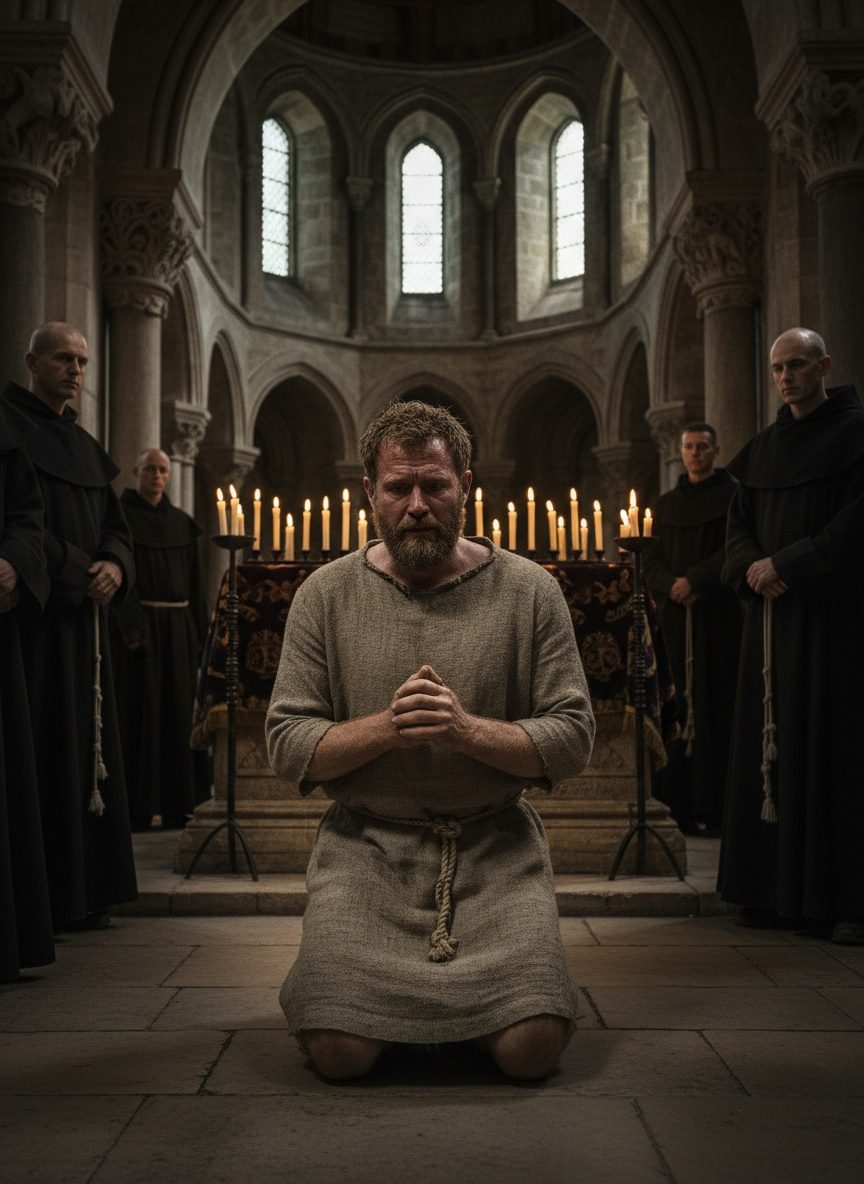
He was a penitent king. He walked barefoot and bowed his head in shame before his people.
The Spirited Friendship That Shaped a Nation
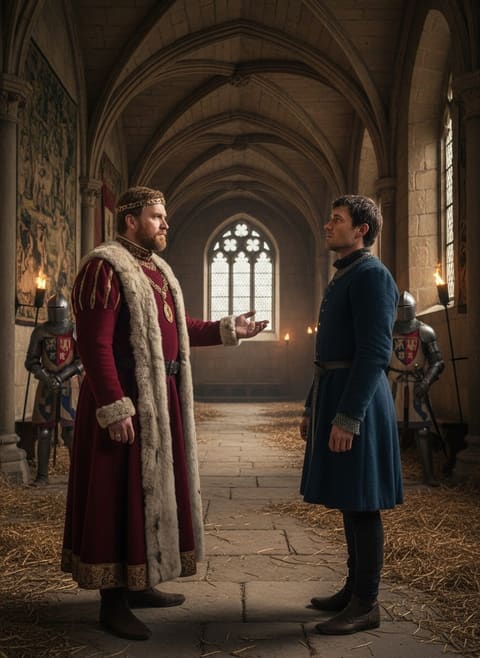
Henry II of England, known for his formidable intellect and fiery demeanor, never imagined that his once cherished friendship with Thomas Becket would become his greatest burden. Appointing Becket as the Archbishop of Canterbury was, to Henry, a masterstroke of personal and political genius. Becket, a commoner by birth but a charismatic leader by nature, had been a trusted advisor and royal chancellor, someone whom Henry believed would ensure the Church aligned smoothly with his regal ambitions. Yet, Becket's transformation into a fervent ecclesiastical defender was as surprising to Henry as it was infuriating. The king's plans seemed thwarted by a churchman now consumed with defending ecclesiastical rights—a turn of events that would ignite tensions between crown and clergy, friendship and faith.
The Murder That Shook the Kingdom
On the evening of December 29, 1170, the air in Canterbury Cathedral was thick with the impending dread that only a bitter feud could foster. Four knights, emboldened by Henry’s outburst against the archbishop, trekked to the cathedral in pursuit of what they perceived to be the king's unspoken yet palpable desire—the elimination of Thomas Becket. The sacredness of the cathedral was violated that fateful day; the knights mercilessly murdered Becket at the altar, the flagstones forever stained by their brutal act. The shockwaves of this sacrilege reverberated throughout Christendom, tainting Henry's reign with the whispered accusation of martyrdom. Becket’s gruesome death transformed him into a symbol of defiance against tyranny, and his resting place became a pilgrimage site for the devout who sought solace in the steadfastness of his beliefs.
The Pilgrimage of Guilt and Redemption
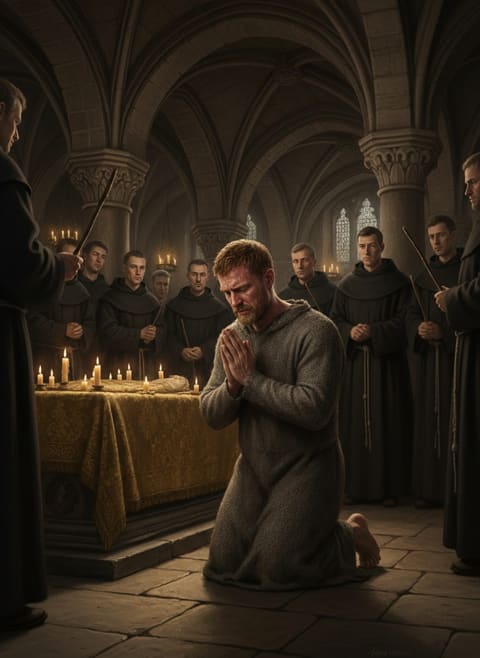
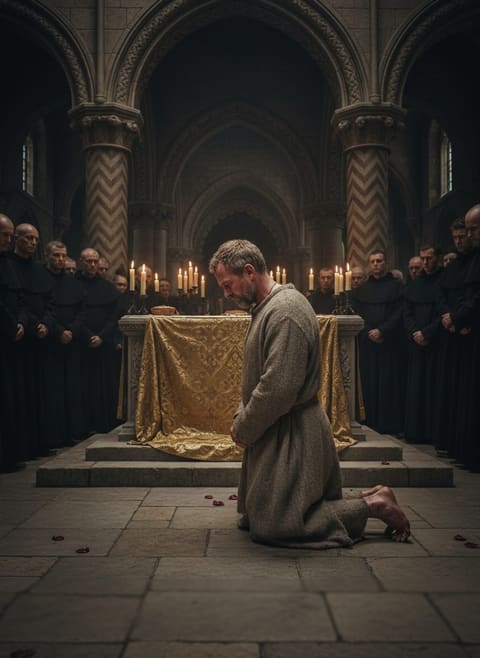
Four years after the tragic murder, under the scorching July sun of 1174, Henry’s journey through Canterbury was not one of regal pomp and circumstance. Stripped of his usual grandeur, he adopted the humble garb of a penitent—sackcloth, bare feet muddied by the dusty path, an embodiment of contrition. The procession was a somber spectacle; the sight of England's powerful monarch reduced to such humility was almost surreal. His knees bent before Becket's tomb, the king bore the strokes of the monks' flails upon his back, each lash a searing reminder of the penance for a guilt unresolved by time or title. Yet, within this seeming humiliation lay the complexity of a ruler seeking both divine forgiveness and reconciliation with his people.
Read next: The Day a Queen Rode Alone Into a Mutinous Army
The Tumult of a Troubled Reign
The significance of Henry's public atonement extended beyond a single act of contrition. It was emblematic of the wider struggles that defined his reign—battles not only against external forces but within his own family. The Plantagenet king, despite his numerous successes, faced betrayals from his wife, Eleanor of Aquitaine, and revolts instigated by his sons, each hoping to expand their power era at their father’s expense. In such times, Becket’s martyrdom was both a personal grief and a political quagmire, casting a shadow over Henry’s ability to rule with the iron fist the medieval world expected. His penance was a strategic act as much as a heartfelt one, hoping to quell the discontent that simmered beneath the surface.
A Moment Cemented in History
Henry II’s barefoot pilgrimage through Canterbury remains an enduring and poignant episode in medieval history, underscoring themes of power, penance, and personal redemption. This act, though steeped in humility, reasserted the interplay between royal authority and ecclesiastical influence, teaching future rulers the profound impact of public perception. It encapsulated the eternal tension between the ambition of kings and the moral compass that guided their rule. As contemporary echoes of leadership crises reverberate today, Henry’s gesture invites reflection on the capacity for reconciliation and the enduring quest for forgiveness. In a world constantly in flux, the sight of a king on his knees—a moment when personal contrition met public duty—holds lessons on the complex interplay of human frailty and sovereign strength.