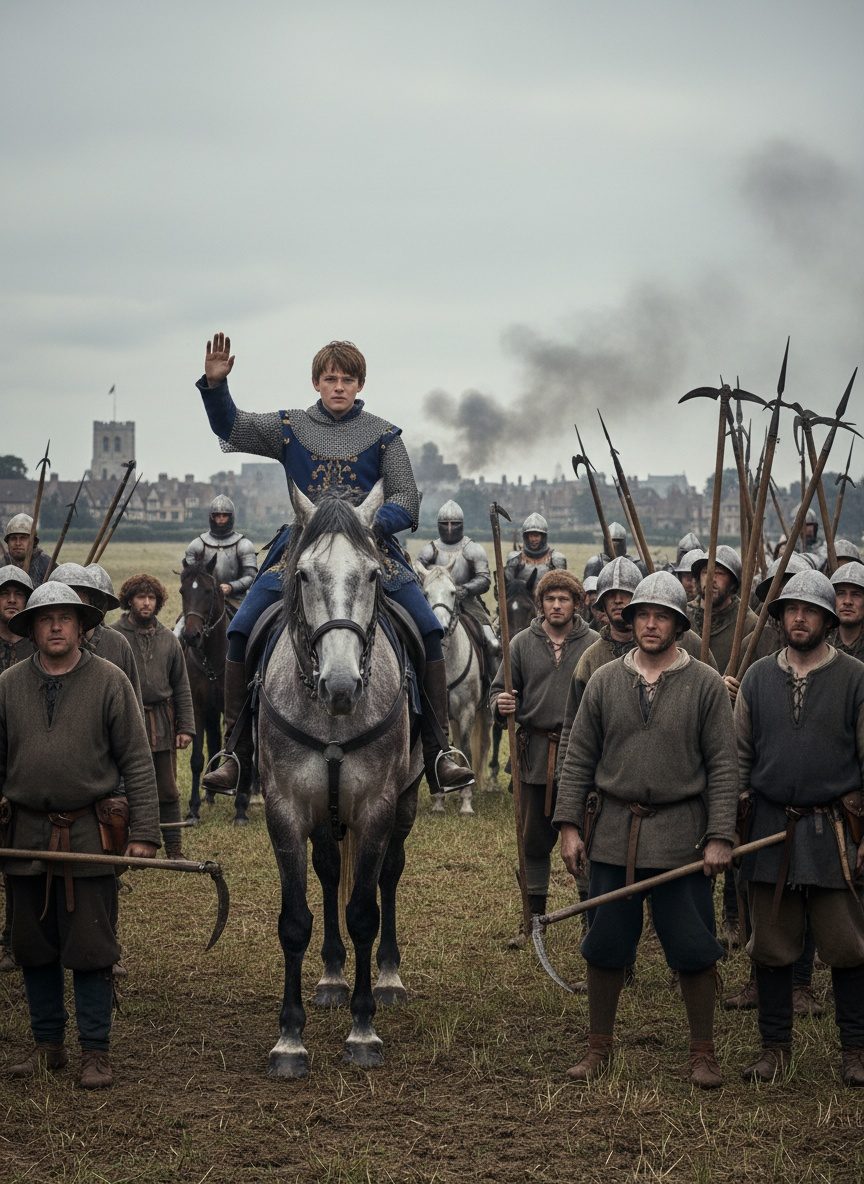
He was King of England for just over two years, yet his name conjures images of tyranny and treachery. Richard III inspired Shakespeare’s villainous hunchback, but his real physical stature remained a secret beneath Leicester's streets for over half a millennium.
On a damp morning in August 2012, the hum of traffic provided an unassuming backdrop to a piece of modern archaeological alchemy. Across from a row of parked cars and beneath the concrete expanse of a Leicester car park, the storied past lay locked away. Few wandering by would realize that beneath their feet, in ground cool and undisturbed, the last Plantagenet king awaited salvation. This was a tale of tenacity, a testament to scholarly obsession, and above all, a tale of a woman’s refusal to let history rest incomplete.
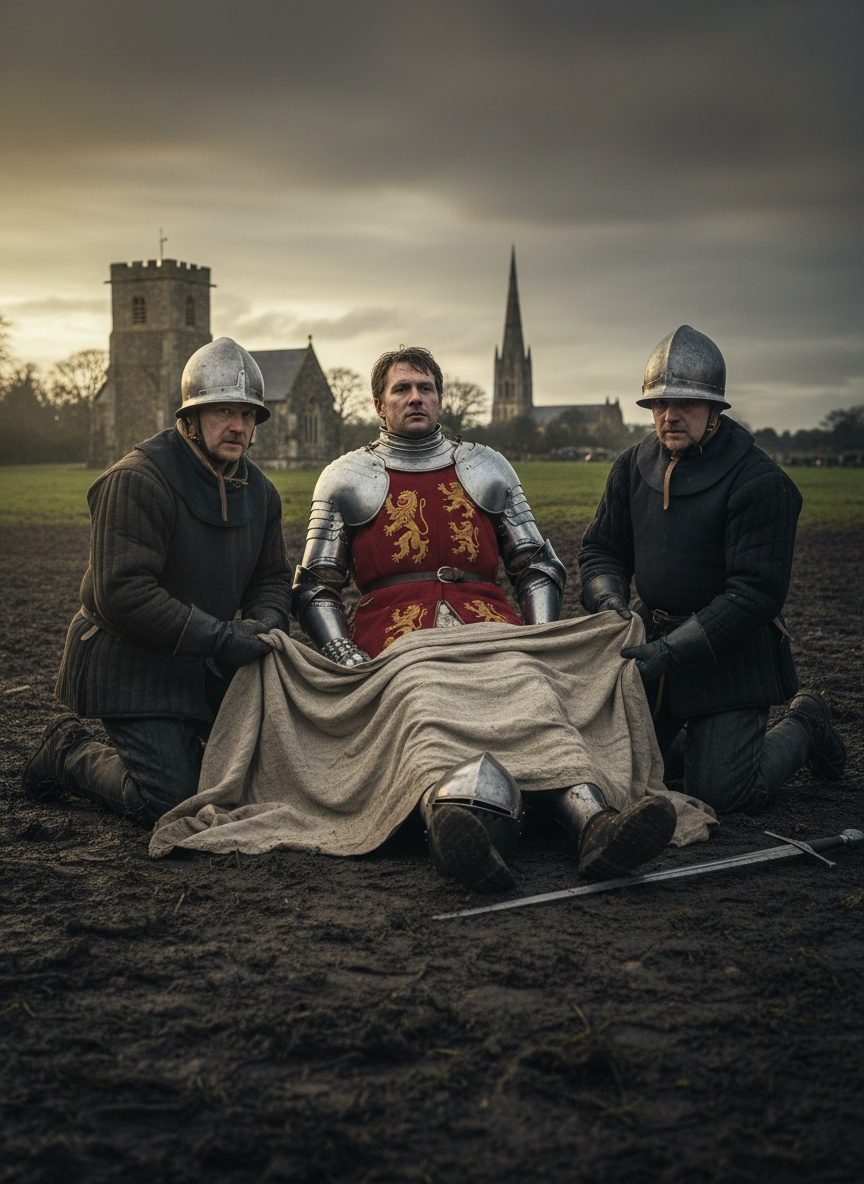
For 527 years, the whereabouts of Richard III's remains eluded historians. Killed in August 1485 during the Battle of Bosworth, Richard's body was swiftly interred at the Grey Friars Church in Leicester. Yet, with the clergy's dissolution, the church seemed to dissolve into the annals of memory. Maps evolved, eras changed, and the Grey Friars site was eventually occupied by uninspired urban lines of concrete and tarmac. England’s most maligned monarch was all but forgotten, simply a name in textbooks, till a peculiar notion caught a tenacious historian in its wake.
Philippa Langley had always been fascinated by Richard III, but it was more than fascination—it was a burning conviction. She believed finding his lost resting place had the potential to redeem the king’s tarnished legacy, to separate the man from the myth perpetuated by Tudor propaganda and folklore. Armed with intuition and a skeletal trail of documents, she embarked on a journey to reconcile legend with truth.
Read next: The Day an English King Drowned an Army in a Marsh
Despite skepticism from peers, Langley remained undaunted. Long hours of archival digging led her to a distinct realization: the body lay not beneath a forgotten abbey site or in a countryside church but within Leicester's city sprawl. Her 'field of roses' was a car park of all places. Here, the ghostly imprint of monastic walls was one with painted bays and businesslike signage. Armed with this knowledge, Langley persuaded a team of archaeologists to dig into the mundane layers of urban camouflage.
The dig began with little fanfare, just meticulous scraping away of asphalt to reveal what lay beneath. There were curious passersby, intrigued by the sight of historians and archaeologists fussing over such an unremarkable strip of land, bemusement turning to astonishment as whispers of possibility spread. The work was patient and slow, the team sifting through brick and soil, untangling centuries of ambition and decay.
Their perseverance paid off when a skeleton, unusually curved as if still bearing the legacy of medieval slander, was unearthed. Caution reigned, but suspense hung palpably in the air. Despite initial restraint, inner excitement threatened to mount with each brushstroke across bone. The series of tests that followed—from radiocarbon dating to DNA analysis—seemed conducive for bitter waiting, but vindication was near.
On February 4, 2013, the announcement was made. The remains were those of Richard III, a monarch who died in the fury of battle, whose parade of blades dashed the king to vulnerability, and whose body lay ignobly stashed beneath centuries of history. England had its lost ruler back, and modern science had indeed taken the improbable to the indisputable.
With this revelation, a cascade of inquiry ensued. The skeleton divulged secrets beyond its owner's identity. Distinct skeletal abnormalities provided clues to Richard’s reputed physical deformities, lending dietary insights from archaic chevalier fare. Echoes of suffering were etched in the bone. Through fusion of genetic pedigrees and contemporary narratives, history, like the excavation, became visible anew.
In reinterment discussions, there remained one final question: where should Richard III be laid to rest? Ethical discourse circled around the appropriateness of ceremonial locales, with some advocating for Westminster, others suggesting York. In a fitting twist, he was ceremoniously reburied at Leicester Cathedral in 2015, attended by royalty and hundreds of loyalists, the echoes of humble beginnings now capped with solemn dignity.
The discovery of Richard III beneath a concrete canopy speaks volumes about history’s capricious nature. The excavation not only enriched archival knowledge but changed our relationship with the past, suggesting that historical truth, however buried, will find its way surface. The intertwining of determination and scientific rigor helped unearth a king, offering a resounding reminder that history is often hidden beneath seemingly innocuous layers. For England, Richard’s recovery was not just an exercise in archaeology but an emblematic bridge spanning centuries, affirming humanity’s perennial quest for truth beneath, well, an ordinary car park.