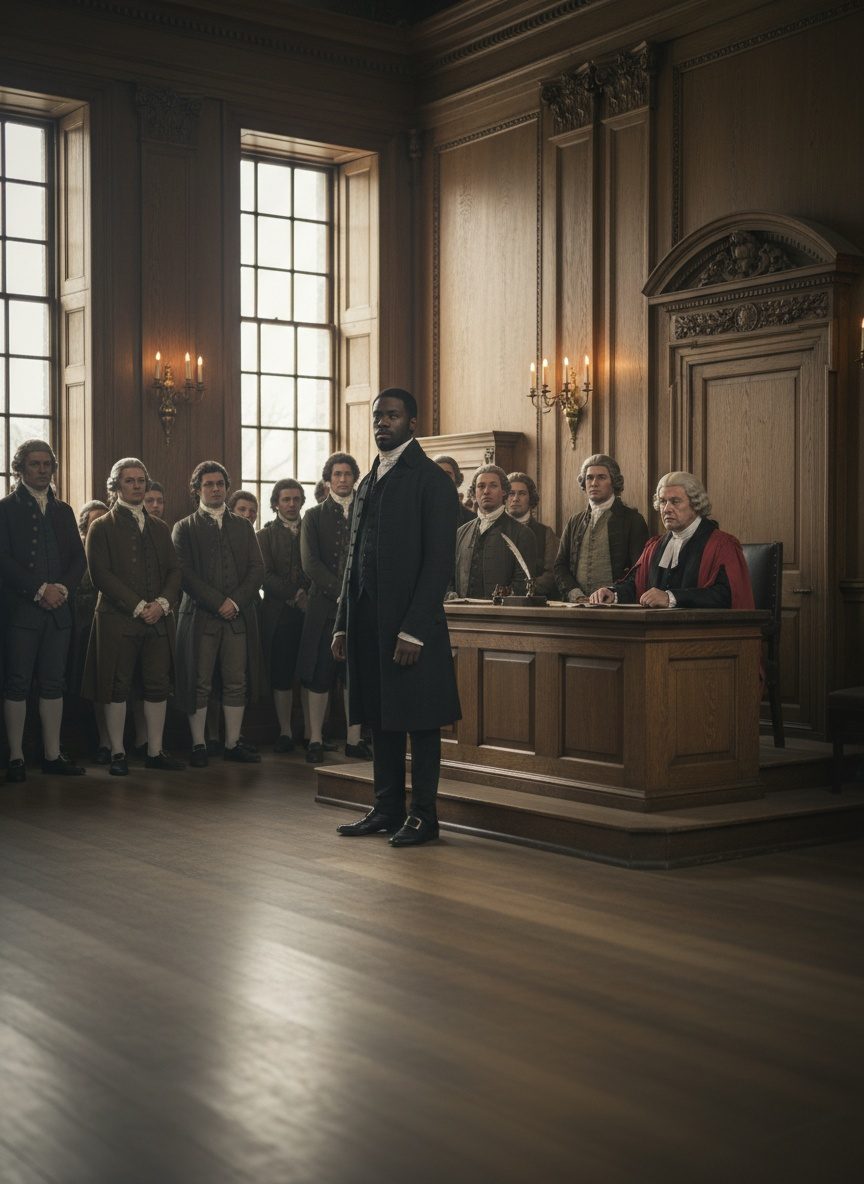
The morning was grey and wet, the sky a moody canvas that spared no warmth. In the heart of London, the damp cobblestones slick with rain mirrored the tension hanging in the air. On this drab June day in 1772, a historic decision that would unsettle the status quo and ripple through the colonies was poised to take place within the chilly, candlelit walls of the Court of King's Bench. The case was oh so British: a legal challenge but with the moral weight of nations — inside, a quiet battle of wits that would emancipate slaves on England's soil.
From the Tides of the Thames to a Tidal Shift in Law
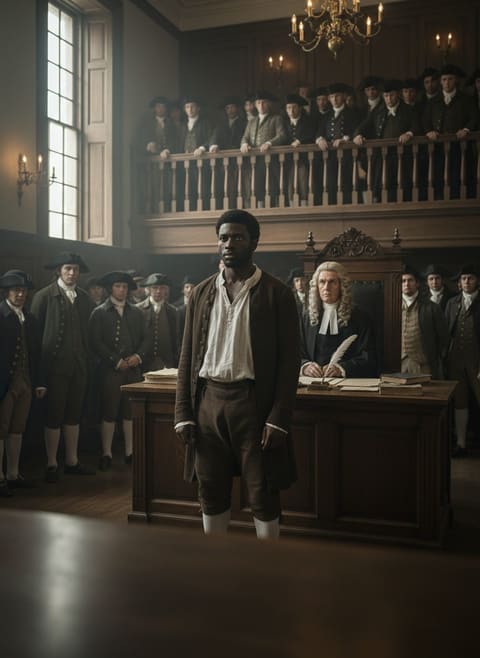
James Somerset, a man invisible to London society yet unwilling to remain in the shadows of human bondage, had been seized and brought aboard a ship bound for the sugarcane plantations of Jamaica, the clinking chains a chilling testament to his captors’ intentions. His status as property was being challenged by the very waters beneath, where the Thames swelled with currents of resistance, carrying whispers of liberty as abolitionists rallied to his cause. These abolitionists, allies of conscience with ink-stained fingers and tongues skilled in rhetoric, saw in Somerset a chance to challenge the moral surety of human ownership.
The case, Somerset v. Stewart, entered the annals of history not within the grand halls of Parliament but in the solemn corridors of the judiciary. As the tide of change surged, deep within the brick-and-mortar steadiness of the courthouse, a man who himself was bound not by chain but by the dictates of the law, Lord Chief Justice Mansfield, wrestled with a case that placed justice at odds with the profitability of empire.
A Courtroom Torn Between Commerce and Conscience
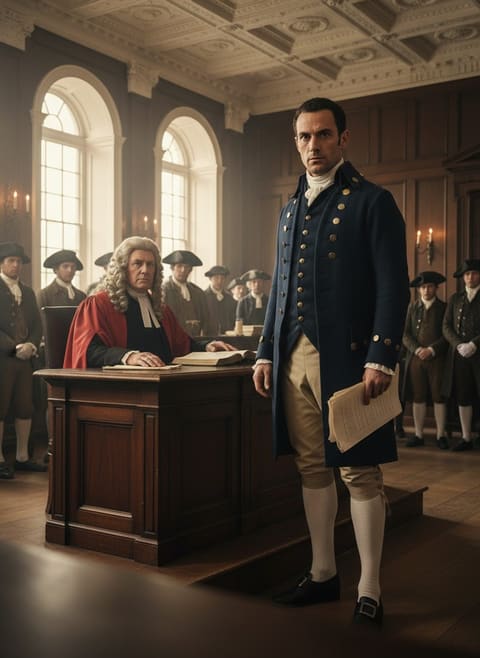
Inside, the courtroom was packed with spectators whose clothes rustled with every slight movement, their eyes alight with curiosity and the weight of a significant moment. The grave faces of the learned judges were shaded by foreboding wigs, and most presiding was Lord Mansfield, an inscrutable figure of authority whose decisions were the stuff of legal lore. In front of him, Somerset’s defenders presented the stark case: Was a man within England immune to the chains that commerce had enfolded around the colonies?
Read next: The Day a Black Sailor Walked Into Court and Freed Himself
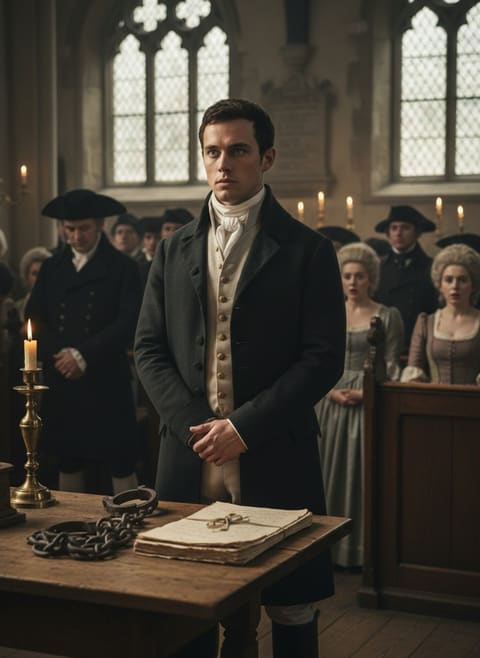
Lord Mansfield, a man grappling with his convictions and the spirits of tradition, was confronted by the eloquent words of Granville Sharp, Somerset’s staunch supporter and one of England’s earliest abolitionists. Sharp painted a picture of liberty, the idea that beneath the soot-streaked skies of London, no man and no woman should suffer the indignity of slavery — not even by the tacit acceptance of an ever-expanding empire.
At the Precipice of Freedom’s Dawn
The crackling logs in the hearth were the only sounds beside the murmur of the court. As the case stretched on, every argument seemed a thread pulling apart the very fabric Lord Mansfield had spent a lifetime weaving. He pondered not just the words, but the repercussions that would echo far beyond this solemn hall. Could a judge alone lay a new cornerstone for justice, one that might one day topple the economic edifices of empire?
With the full height of the jurist’s conscience and logic, Lord Mansfield delivered his judgment. The implications were staggering yet simple. The law did not sanction slavery within England, and the idea that the air of England was too pure for a slave to breathe was granted judicial substance. Somerset would not be returned to Jamaica. The legal precedent was established: Somerset was free, and so were all others held in servitude within the realm.
Read next: The Day a London Clerk Walked Into Court for a Dying Slave
The Echoes Along England’s Streets
Though the decision was limited in scope, reverberations traveled like ripples spreading along the Thames. No legislation passed that day, no penance exacted for the scourge already done upon the whips of past generations. Yet the air beyond the courthouse felt different, brimming with change. On cobblestone streets, quiet whispers of "Did you hear?" mingled with the everyday clamor. For the enslaved, for the abolitionists, for even those unaware of the day’s events — the ground beneath them trembled ever so slightly, hinting at seismic shifts beyond sight.
Somerset’s freedom also marked the beginning of growing calls against the wider Atlantic Slave Trade, troubling the sleep of policymakers and plantation owners alike. This case kindled fires of legal questioning, foreshadowing larger moral battles to be fought decades later and across oceans.
Why This Case Still Matters
As history’s doors swing open once more, looking back to that rain-soaked morning in 1772 reveals not just a legal victory but a symbolic upheaval. What occurred within the walls of the Court of King's Bench was a vivid reminder of the power vested in justice — justice capable of halting the mechanics of oppression even if for a brief, transformative moment. In today’s world, where inequality too often remains enshrined, the echoes of Somerset’s case remind us that the arc of the moral universe is perpetually bending, and it is in the steadfast hands of those who dare to reach out to shape it. With courage and conviction, one ruling by a clergyman-turned-judge showed that it was indeed possible for law to hold space for compassion and humanity.