James Somerset was just another escaped slave. But one man’s struggle for freedom reverberated through history.
The Unlikely Journey to Justice
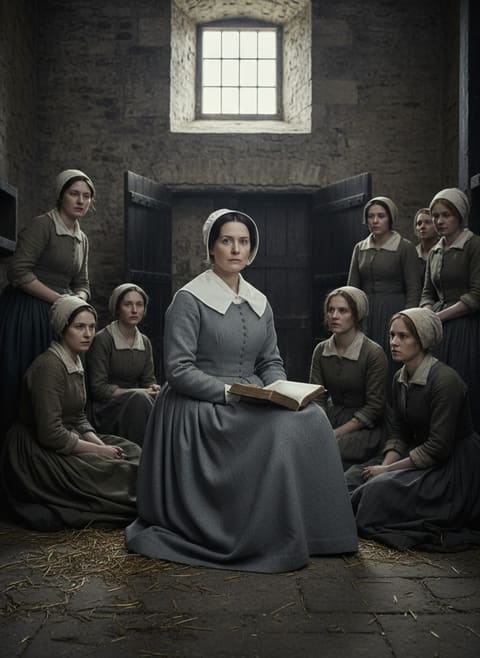
London in the late 18th century was the buzzing heart of an empire that knew no limits except those it imposed itself. The air was thick with the cacophony of industry and the chatter of commerce, while the River Thames bore the weight of ships loaded with the wealth of the world. Amongst the fashionable figures strolling the cobblestones were also those whose lives were far less free. They embodied a stark contradiction at the core of British society—that a land priding itself on liberty was complicit in the shackles of slavery.
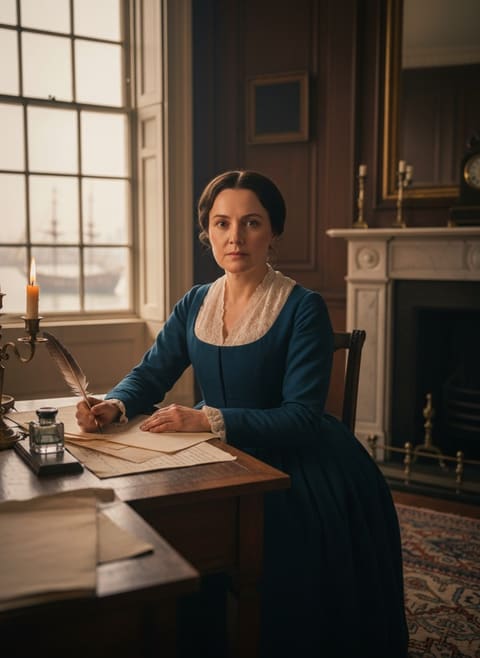
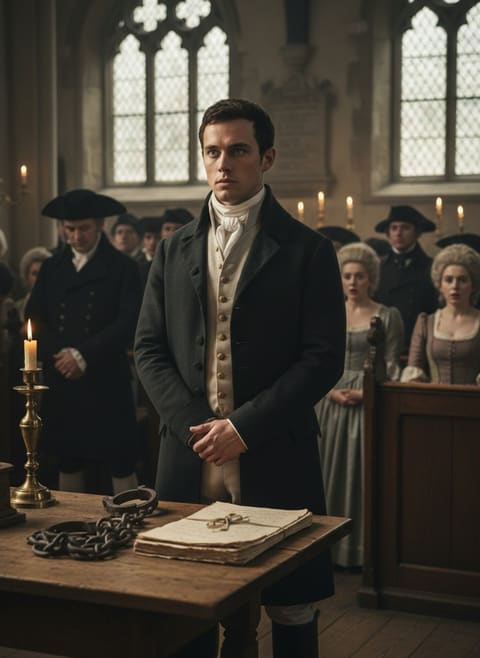
James Somerset, a man of African descent, had found himself enmeshed in this contradiction. Brought from Virginia to England by his master, Charles Stewart, Somerset soon realized that the soil beneath his feet might offer him something unimaginable—the possibility of freedom. Somerset, understanding the rarity of his circumstance, made a daring escape in 1771. However, it was not long before he was recaptured and set to be transported to the plantations of Jamaica, a fate that would seal his return to bondage. In an unexpected turn, friends rallied around Somerset, obtaining a writ of habeas corpus and challenging his confinement in the British courts.
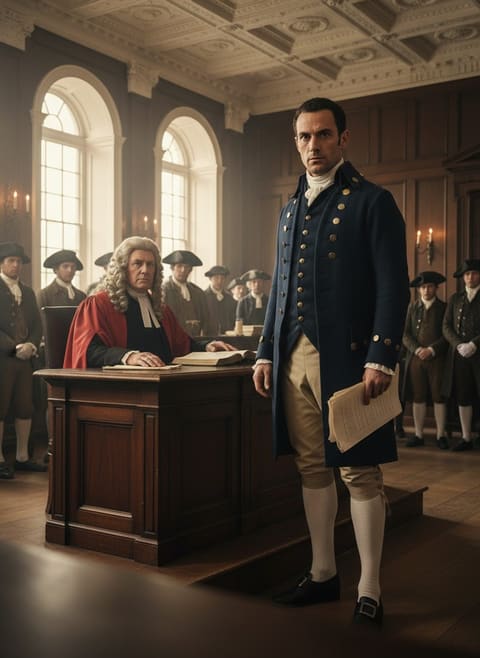
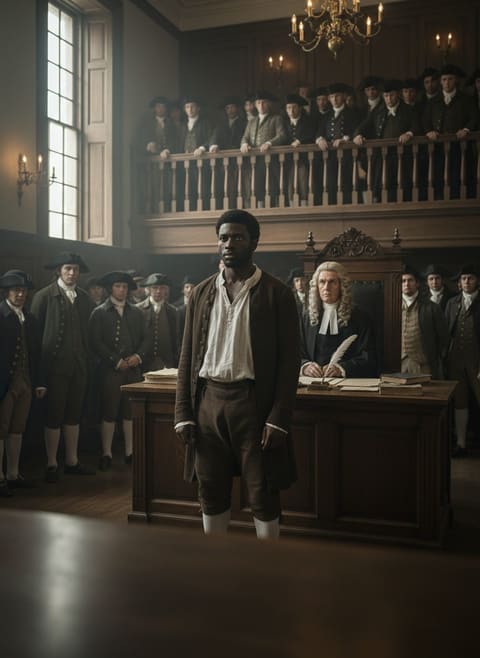
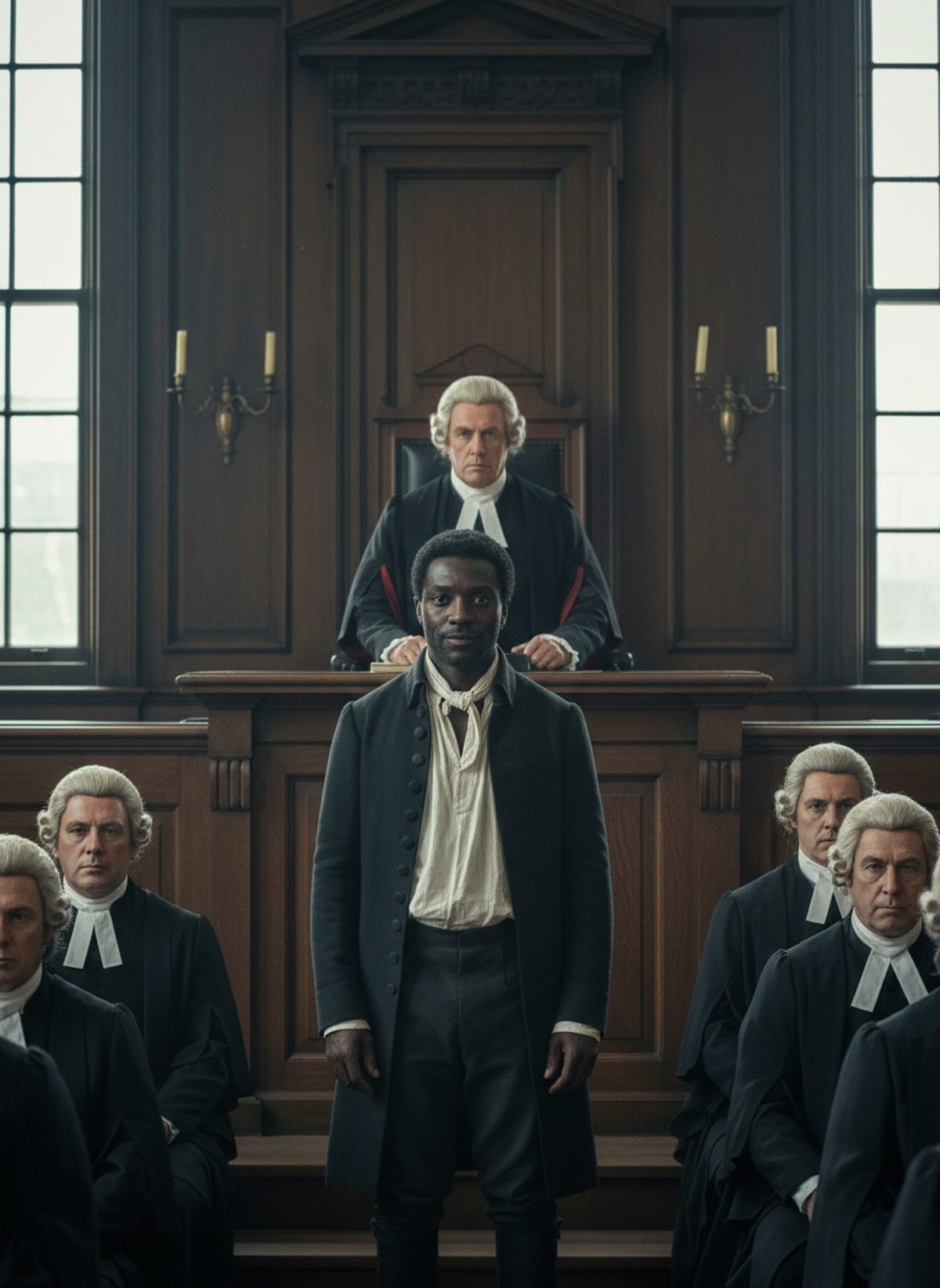
On May 14, 1772, Somerset’s case came before Lord Chief Justice Mansfield at the Court of King's Bench in Westminster Hall. A well-regarded legal mind tasked now with far more than the fate of a single man, Mansfield faced a judiciary conundrum. Was slavery, something so economically entwined with British interests, legally supportable in a country that, at least in theory, had no explicit laws allowing it on its own soil?
Read next: The Day a Black Sailor Walked Into Court and Freed Himself
A Courtroom Drama Unfolds
The corridors of Westminster Hall echoed with anticipation on the morning of June 22, 1772. The case had garnered considerable attention, not just within the confines of the courtroom, but across the nation. Lord Mansfield, known for his thoughtful and deliberate approach, wrestled with the implications of his pending decision. The courtroom, bustling with spectators, lawyers, and members of the press, had become a microcosm of the empire’s moral conflict.
The arguments presented during the trial were as passionate as they were historical. Granville Sharp, a fervent abolitionist, argued that slavery was incompatible with English common law—a bold stance at the time reflecting the changing tides of public opinion. The case before Mansfield was not merely about the fate of James Somerset; it was about defining the soul of a nation that had never clearly outlawed the practice of slavery within its borders.
In what would become a landmark judgement, Mansfield announced his decision. He stated, succinctly but powerfully, that "the air of England is too pure for any slave to breathe." Somerset was declared free. The ruling did not abolish slavery outright in Britain; rather, it set a precedent. It birthed a notion—a whisper—that freedom was a right, not a privilege. The case was symbolic, hinting at a broader, inevitable shift in attitudes despite the country's still-deep ties to the Atlantic slave trade.
Whispers of Change in an Unchanged World
The ramifications of Somerset's case echoed far beyond the walls of Westminster Hall. While it did not dismantle the institution of slavery itself, the decision sent ripples throughout the British Empire and ignited debates in both the United Kingdom and its colonies. As it happened, the decision carried more weight within the context of British common law and the realms directly under its influence. It sparked hope among abolitionists and enslaved individuals alike, yet it also fanned the flames of unrest among those with vested interests in maintaining the status quo.
Read next: The Day a London Clerk Walked Into Court for a Dying Slave
By the estimates of the time, there were about fourteen thousand Black individuals living in England, many of whom were enslaved. For them, the ruling offered a beacon, a legal foothold from which to challenge the legitimacy of their own bondage. Yet, it was not until much later—decades after Mansfield’s decision—that the formal abolition of the slave trade (in 1807) and eventually the emancipation of slaves across the British Empire (in 1833) would come to fruition.
The case of James Somerset unveiled a dissonance that insisted on resolution—a demand for the moral consistency of a nation that prided itself on modernity and progress. Even as Somerset stepped cautiously back into freedom, England and its sprawling territories grappled with the question: How could they go forth in the world when the very principles they pronounced were tarnished by their deeds?
In telling the untold stories of our past, such as the story of James Somerset, we reflect on the complexities and contradictions faced by previous generations. These stories compel us to question our own beliefs and actions within a modern context, forcing potential reckonings with the truths we often shy away from scrutinifying. And so it stands, the day a judge set every slave in England free—not truly the end of a chapter, but the opening lines of a narrative still unfolding.