The Atlantic Ocean in late November can be an unforgiving place, its mood dictated by chilly winds that whip across vast, seemingly endless waters under a slate-grey sky. On this particular day in 1940, the waves crashed relentlessly against the steel bows of ships, creating a symphony of power and endurance. Yet amidst this display of nature's might, unseen dangers lurked beneath the ocean's surface. The quiet determination of thirty-seven merchant ships slicing through the swell belied the ominous threat approaching—a German pocket battleship, intent on disrupting their vital mission to transport goods across the Atlantic. It was a meeting destined to unfold under the grim shroud of impending conflict, testing courage under extraordinary circumstances.
The Encounter in a Desolate Ocean
In the expansive theater of the Atlantic, this convoy represented the lifeline that connected the beleaguered British Isles with essential supplies from North America. It was November 1940, and the turmoil of World War II had spread its shadow wide. With 37 merchant ships strung in a loose formation, the convoy braved the waters, aware that protection in these open seas was minimal at best. At their helm, offering the scant cover of defense, was the HMS Jervis Bay, an armed merchant cruiser converted from a mere passenger liner and fitted with antiquated weaponry. As the convoy sliced through the frosty air, a sense of solitude was palpable, made starker by the knowledge that a grim adversary was prowling the depths, waiting to pounce.
It was then that the radio crackled with urgency—the convoy had been spotted by one of Germany's formidable pocket battleships. With a displacement of more than ten thousand tons and armed with six 11-inch guns, this naval predator struck fear into the hearts of those who knew its destructive capacity. The merchant ships, laden with supplies essential for the war effort, became poised targets on the dark canvas of the Atlantic. As the realization dawned upon the men aboard, they braced themselves for the encounter, eyes scanning the horizon for a glimpse of their assailant.
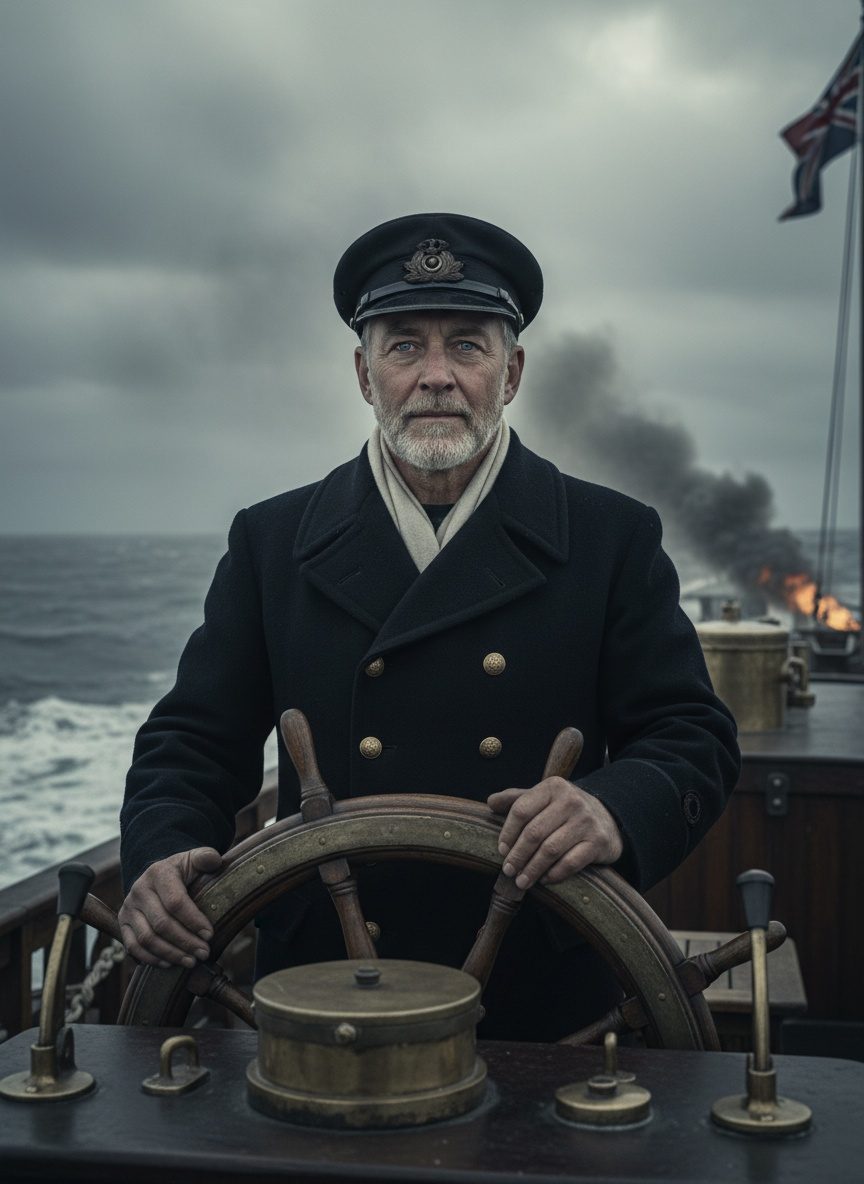
The HMS Jervis Bay found itself in the pivotal position of David facing Goliath. Its captain, undaunted by the disparity of force, exhibited courage that would soon be legendary. The orders rang out with clarity: the convoy was to scatter, each ship trying to escape into the vastness where pursuit could fragment. And then, in a maneuver both daring and sacrificial, the Jervis Bay turned towards the looming battleship, ready to engage, ready to buy precious time for a greater cause.
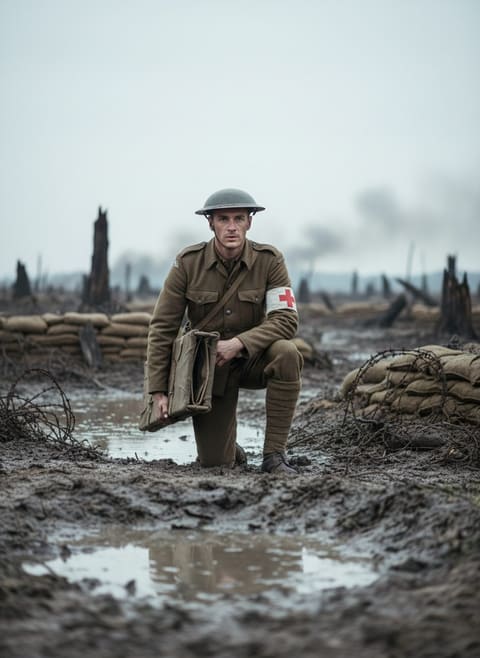
Read next: The Day a British Stretcher-Bearer Refused an Order to Save Lives
The Clash and the Courage
Under a sky now awash with the gathering gloom of dusk, the HMS Jervis Bay surged forward, its guns manned by men steeling themselves for a fight with an outcome almost written. The German warship, an imperial beast on the hunt, was momentarily halted by the audacity of the lone defender. Shells exploded in the chill air, their reverberation a grim soundtrack to the sacrifice unfolding. Against the thunderous retort of enemy fire, the Jervis Bay responded valiantly, its antiquated guns blazing despite the knowledge of their inadequacy against such a foe.
The captain of the Jervis Bay, a man cut from the cloth of stoic resolve, knew this was a battle not for victory but for time. Each minute the cruiser held the attention of the enemy was a minute gained for the convoy to disperse and flee. The sea, a bruised and turbulent expanse, bore witness to this David and Goliath clash as the merchant cruiser absorbed blow after brutal blow. The metallic groans of the wounded vessel were punctuated by the cries of its crew, unyielding in the face of overwhelming odds.
As the gray behemoth sent crippling avalanches of fire upon the Jervis Bay, the few remaining ships looked on from afar, huddled beneath a cold blanket of fear and determination. Miraculously, in those critical hours, the selfless gallantry of the merchant cruiser fulfilled its grim promise. It bought the convoy an estimated six hours—an eternity when measured against the timeline of survival at sea. Thirty-two of the merchant ships managed to evade pursuit, their silhouettes absorbed into the relentless Atlantic night.
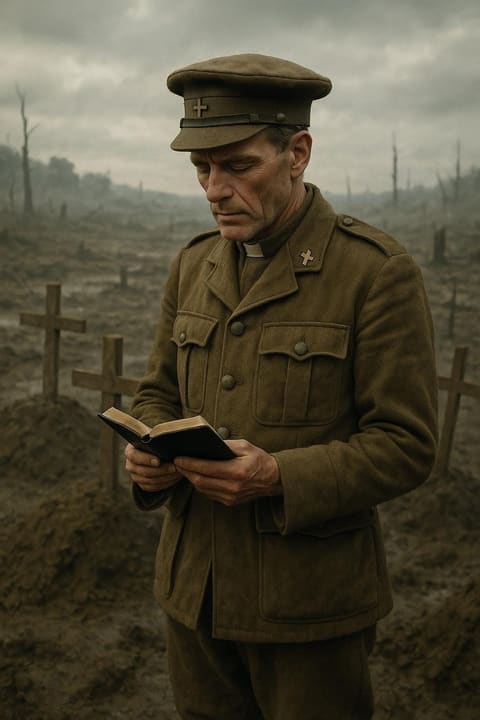
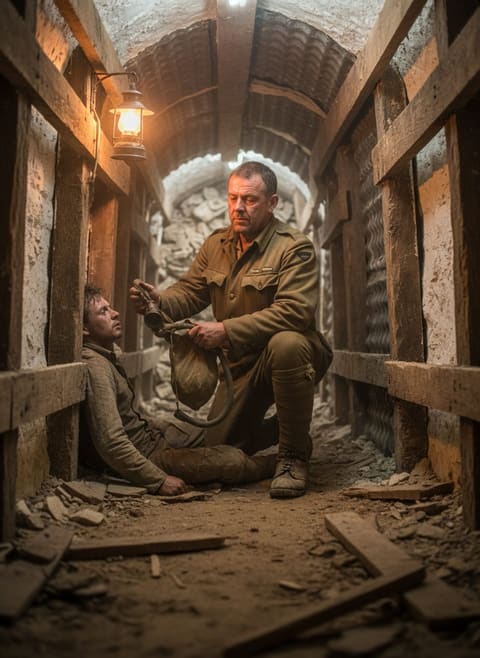
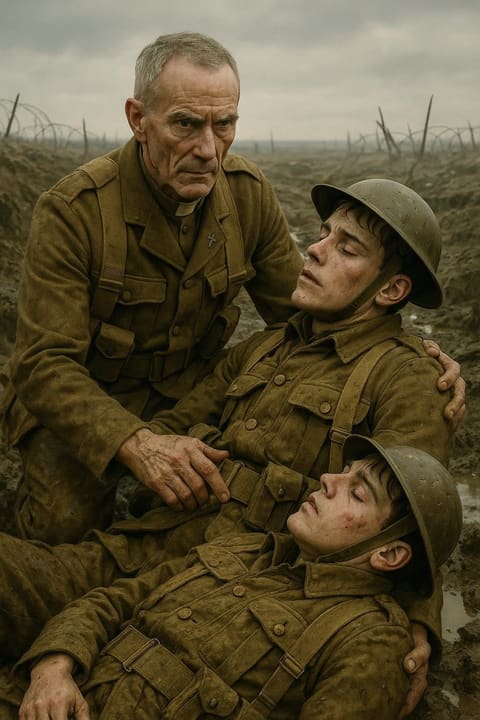
Read next: The Day a Army Chaplain Gave His Coat to a Dying Stranger
The Echo of Heroism
The silence that fell after the encounter was one of profound gravity. The HMS Jervis Bay, battered and broken, had succumbed to its destiny, its hull resting on the sea floor as a testament to bravery. Yet, it was not forgotten, nor were the lives that were traded for the safety of many. In the harbors where those thirty-two merchant ships finally docked, tales of the event spread among sailors and civilians alike, a story of self-sacrifice that transcended the mundane rigor of wartime news.
The waters had stilled over the grave of the Jervis Bay, but its story rippled outward, a reminder of the resilience in the face of insurmountable power. In the annals of naval warfare during the Second World War, the confrontation on the Atlantic proved once again that heroism did not demand victory, only the courage to act when needed most. The captain of the Jervis Bay, now a figure etched into the memories of those who heard of his actions, embodied the spirit of the era—a time when ordinary men were thrust into extraordinary roles.
Why does this tale of one ship and her crew continue to resonate? It speaks to the heart of human resolve. In those hours when a converted passenger liner faced down a superior warship, the essence of courage was laid bare. War has many faces, often marked by strategy and might, but sometimes, as on that cold November, it is marked by sacrifice and the quiet determination of those who choose to stand their ground. The memory of the HMS Jervis Bay and the lives it preserved is a call to remember the unsung heroes of history, whose actions, though perhaps overshadowed by larger battles, were no less significant. Through them, we are reminded that courage is not the absence of fear, but the determination to act in spite of it.